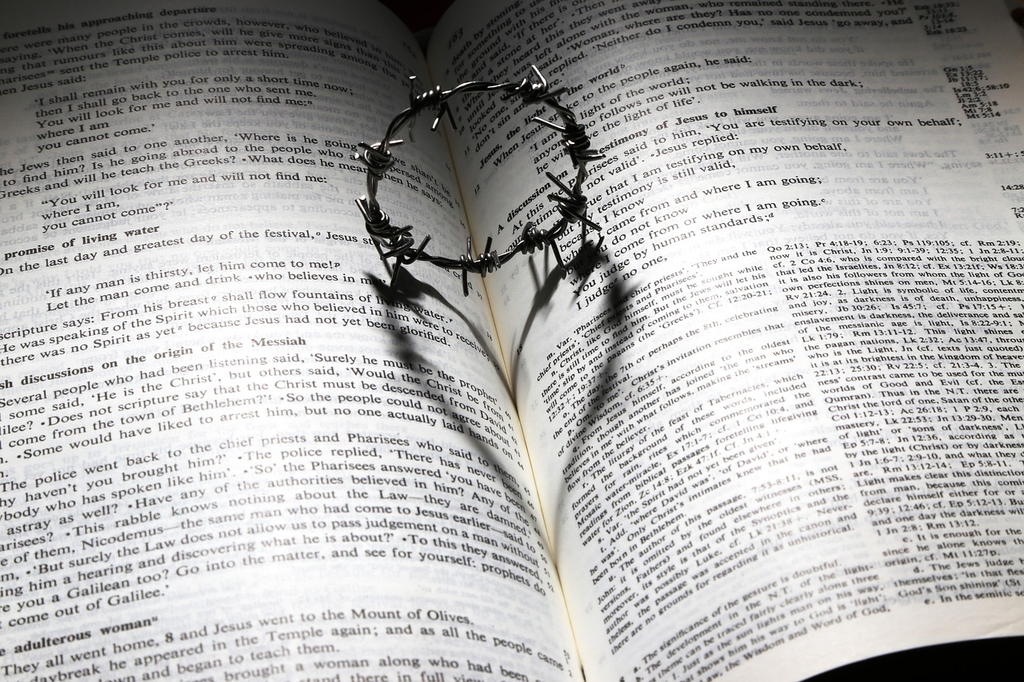
The heart symbol, widely recognized as an emblem of love and emotion, has evolved in advanced art forms to convey complex ideas beyond romance. In contemporary and fine art, it can represent themes such as vulnerability, human connection, and cultural identity. Artists often reinterpret the heart’s shape and meaning, using innovative materials and styles, to challenge traditional associations and explore deeper psychological, social, or political messages within their works.
Heart Symbol in Advanced Art Forms
The heart symbol, widely recognized as an emblem of love and emotion, has evolved in advanced art forms to convey complex ideas beyond romance. In contemporary and fine art, it can represent themes such as vulnerability, human connection, and cultural identity. Artists often reinterpret the heart’s shape and meaning, using innovative materials and styles, to challenge traditional associations and explore deeper psychological, social, or political messages within their works.

💡 Key Takeaways
- Trace the heart symbol's historical and cultural meanings in art.
- Explore rendering the heart across media (painting, sculpture, digital, installation) using form, color, and texture.
- Examine contemporary and abstract interpretations, including deconstructed or stylized heart shapes.
- Analyze how context, symbolism, and curation shape viewer interpretation of heart imagery in advanced art.
❓ Frequently Asked Questions
What does the heart symbol traditionally represent in art?
It typically signals love, care, and emotion; origins lie in romantic and religious imagery, but in modern art it can also point to vulnerability and humanity.
How have artists in advanced art forms reinterpreted the heart symbol?
Artists deconstruct or abstract the shape, use digital or interactive media, and embed it in social or political contexts to explore identity, intimacy, or critique.
What techniques do artists use to subvert or challenge the traditional heart icon?
Distorting form, breaking symmetry, layering with text, applying glitches or unusual colors, or placing the symbol in unfamiliar media or contexts.
How can you analyze a heart image in a contemporary artwork to understand its meaning?
Observe style, medium, scale, and composition; note deviations from a classic heart, accompanying symbols or text, and consider the artist's intent and audience.