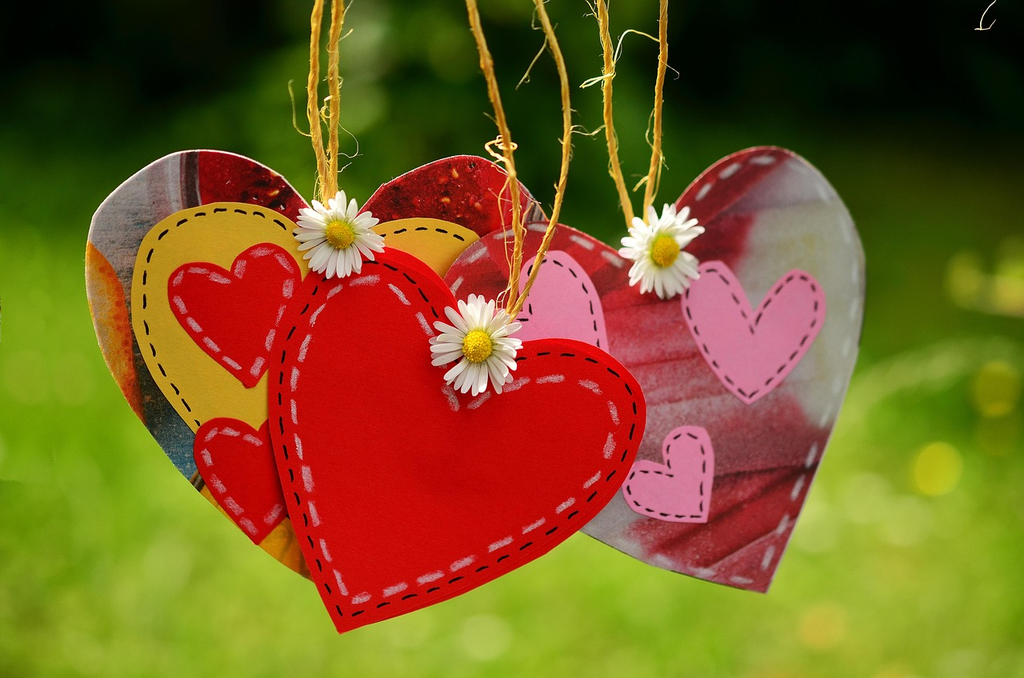
The heart symbol in nature often appears in the shapes of leaves, petals, stones, or even cloud formations, reflecting love, beauty, and connection in the natural world. These naturally occurring heart shapes have inspired artists and cultures throughout history, symbolizing affection, compassion, and emotional bonds. Observing heart symbols in nature reminds people of the universal presence of love and the interconnectedness between humans and their environment.
Heart Symbol in Nature
The heart symbol in nature often appears in the shapes of leaves, petals, stones, or even cloud formations, reflecting love, beauty, and connection in the natural world. These naturally occurring heart shapes have inspired artists and cultures throughout history, symbolizing affection, compassion, and emotional bonds. Observing heart symbols in nature reminds people of the universal presence of love and the interconnectedness between humans and their environment.
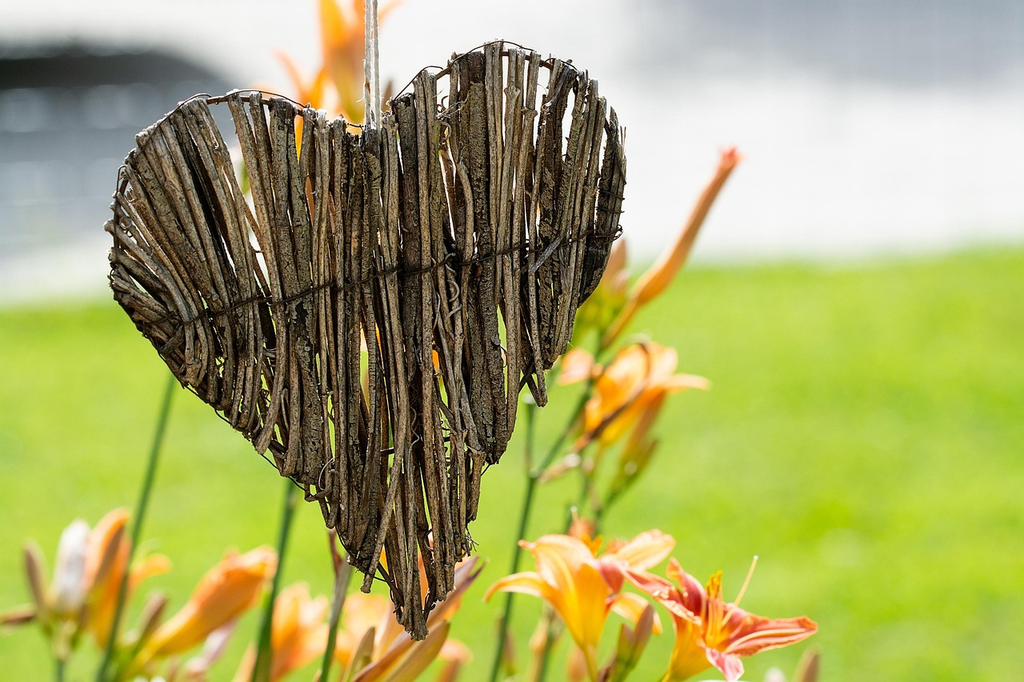
💡 Key Takeaways
- Identify common heart-shaped patterns in nature (leaves, petals, seeds, shells) and how they form.
- Explain why people perceive heart shapes in natural objects, including symmetry and pattern recognition.
- Differentiate natural heart-like motifs from the anatomical heart, noting their biological or ecological roles.
- Explore how heart-shaped natural motifs have influenced art, culture, and symbolism.
❓ Frequently Asked Questions
What does the heart symbol typically represent in culture, and how does that connect to nature?
It represents love, affection, and care. In a nature quiz, it helps you think about natural shapes that resemble the symbol and how perception relates to biology.
Are there common natural examples of heart-shaped forms?
Yes. Heart-shaped leaves (e.g., some redbud and philodendron varieties) and heart-like silhouettes in petals or fruits are often cited as natural analogs.
Are heart shapes in nature usually functional or just coincidental?
Most are incidental. They arise from general growth patterns or leaf shapes, not because evolution purposefully created hearts for that purpose.
How can you tell if a natural heart shape is intentional or just a coincidence in a quiz?
Look for a consistent two-lobed top and a pointed bottom, symmetry, and repeatability across specimens (not just a single example).
Is the heart symbol found elsewhere in nature besides leaves and petals?
People often notice heart-like shapes in clouds, shells, or pebbles; these are perceptual patterns rather than a biological feature.