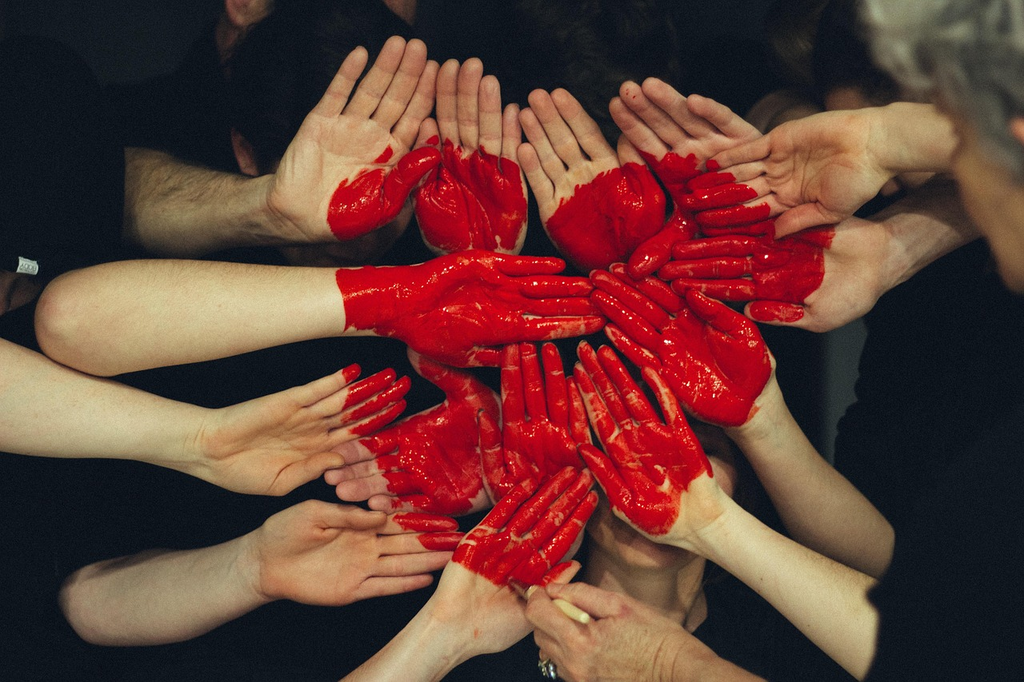
The heart symbol in philanthropy represents love, compassion, and selfless giving. It signifies the emotional connection and genuine care that drive charitable actions and support for others. In everyday symbols, the heart embodies kindness and generosity, encouraging people to act with empathy. Paired with a crown, it can also suggest noble intentions or leadership in charitable efforts, highlighting the value of heartfelt contribution to the welfare of society.
Heart Symbol in Philanthropy
The heart symbol in philanthropy represents love, compassion, and selfless giving. It signifies the emotional connection and genuine care that drive charitable actions and support for others. In everyday symbols, the heart embodies kindness and generosity, encouraging people to act with empathy. Paired with a crown, it can also suggest noble intentions or leadership in charitable efforts, highlighting the value of heartfelt contribution to the welfare of society.

💡 Key Takeaways
- Understand why the heart symbol signals care and generosity in philanthropy.
- Identify typical contexts where heart imagery appears in fundraising (campaigns, emails, social media, logos).
- Learn how heart-based messaging can influence donor motivation and trust.
- Consider ethical and inclusive use of heart symbols in philanthropic branding.
❓ Frequently Asked Questions
What does the heart symbol commonly represent in philanthropy?
Compassion, care, and love for a cause; it helps donors connect emotionally with a charity.
Why is the heart symbol used in fundraising campaigns?
It evokes empathy and personal connection, making people more likely to give.
Are there limitations to using heart imagery in philanthropy?
Yes. It can oversimplify issues, risk emotional manipulation, and may obscure the impact or need for transparency.
How can organizations use heart imagery ethically?
Be truthful about outcomes, align visuals with the mission, avoid pressuring donors, and share clear impact information.
How does the heart symbol differ from other philanthropic icons?
The heart conveys personal care and human connection; other icons (e.g., hands, seeds) may emphasize collaboration, sustainability, or outcomes.