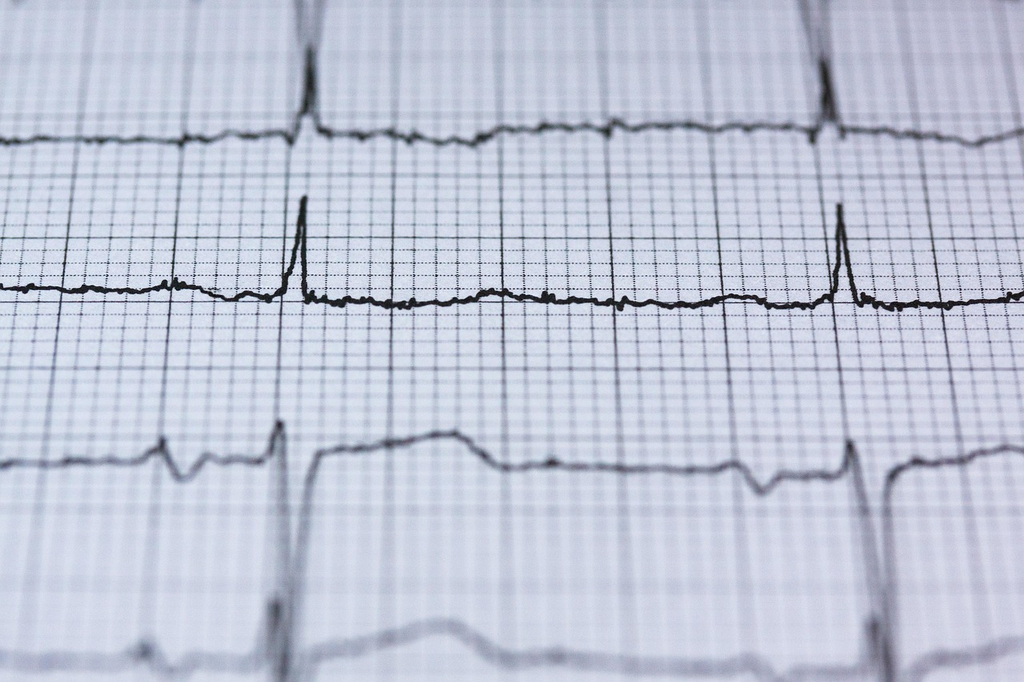
"Heartbeat Rhythms (Body Signals (Eyes & Hearts))" refers to the natural patterns and pulses created by the beating heart, which serve as vital indicators of physical and emotional states. These rhythms, along with expressive cues from the eyes, communicate feelings such as excitement, stress, or calmness. Together, the heart's beat and eye movements form a language of nonverbal signals, revealing inner experiences and connecting individuals on a deeper, intuitive level.
Heartbeat Rhythms
"Heartbeat Rhythms (Body Signals (Eyes & Hearts))" refers to the natural patterns and pulses created by the beating heart, which serve as vital indicators of physical and emotional states. These rhythms, along with expressive cues from the eyes, communicate feelings such as excitement, stress, or calmness. Together, the heart's beat and eye movements form a language of nonverbal signals, revealing inner experiences and connecting individuals on a deeper, intuitive level.
💡 Key Takeaways
- Define heartbeat rhythms and identify a normal resting heart-rate range.
- Differentiate between normal sinus rhythm and common rhythm abnormalities (e.g., tachycardia, bradycardia).
- Explore factors that can influence heart rhythms, such as exercise, stress, caffeine, and medications.
- Learn basic methods to monitor heart rhythms (pulse measurement, wearable devices, ECG) and when to seek medical advice.
❓ Frequently Asked Questions
What is a normal heartbeat rhythm?
Normal sinus rhythm is paced by the sinoatrial (SA) node, typically 60–100 beats per minute in adults, with a regular rhythm, a P wave before each QRS complex, and normal PR and QRS intervals.
What do the P, QRS, and T waves represent on an ECG?
P wave = atrial depolarization, QRS complex = ventricular depolarization, T wave = ventricular repolarization. The PR interval reflects AV conduction time; a normal QT interval indicates proper overall electrical cycling.
How can you tell tachycardia or bradycardia from a heartbeat rhythm?
Tachycardia means a resting heart rate over 100 bpm; bradycardia means under 60 bpm. Regularity and symptoms help determine significance; persistent abnormal rates should be evaluated.
What is atrial fibrillation and how is it seen on an ECG?
Atrial fibrillation is chaotic, irregular atrial activity leading to an irregularly irregular heartbeat. On ECG, P waves are usually absent and the R-R intervals are highly irregular.