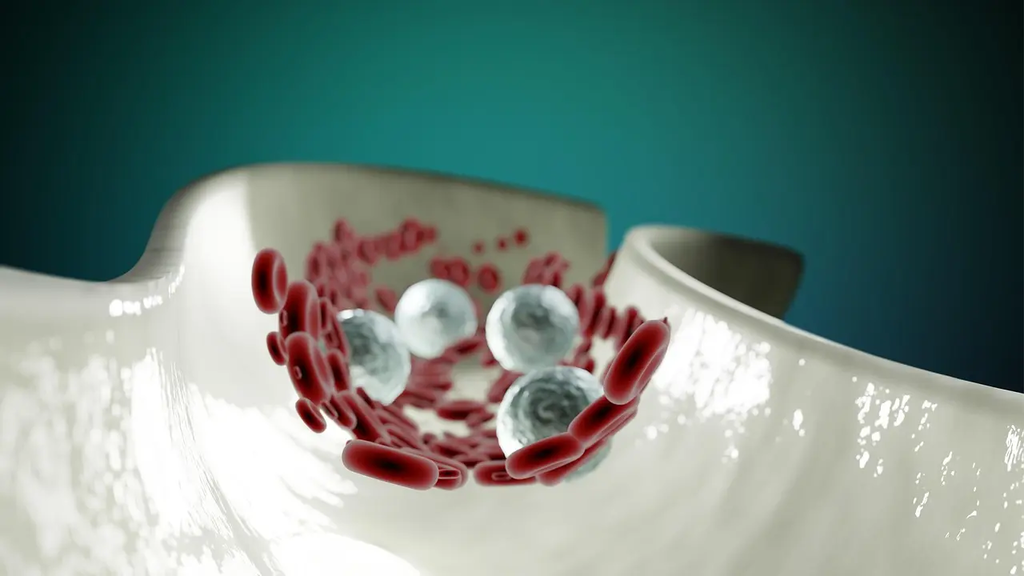
Hemodynamics and vascular biology refer to the study of blood flow and the structure and function of blood vessels within the human body. Hemodynamics focuses on how blood moves through the circulatory system, influenced by factors like pressure, resistance, and vessel elasticity. Vascular biology examines the cells and molecular processes that maintain vessel health, regulate blood flow, and respond to injury or disease, playing a crucial role in overall cardiovascular function.
Hemodynamics and Vascular Biology
Hemodynamics and vascular biology refer to the study of blood flow and the structure and function of blood vessels within the human body. Hemodynamics focuses on how blood moves through the circulatory system, influenced by factors like pressure, resistance, and vessel elasticity. Vascular biology examines the cells and molecular processes that maintain vessel health, regulate blood flow, and respond to injury or disease, playing a crucial role in overall cardiovascular function.

💡 Key Takeaways
- Explain the relationships among blood flow, pressure, and resistance in the circulatory system.
- Describe vascular biology basics: endothelial function, smooth muscle tone, and remodeling.
- Discuss how shear stress and vasoactive factors regulate vessel diameter and blood flow.
- Identify common hemodynamic measurements (cardiac output, mean arterial pressure, systemic vascular resistance) and what they indicate clinically.
❓ Frequently Asked Questions
What is hemodynamics?
The study of blood flow, pressure, and resistance in the circulatory system; it explains how heart pumping, vessel properties, and blood viscosity determine how much blood moves through each region.
What factors determine blood flow through a vessel?
Blood flow depends on the pressure difference (ΔP) and vascular resistance. Resistance rises with vessel length and blood viscosity and decreases with a larger vessel radius; flow roughly follows ΔP r^4/(η L).
What is shear stress and why is it important in vascular biology?
Shear stress is the frictional force of flowing blood on the endothelium. It influences endothelial function, nitric oxide production, and vascular remodeling, and abnormal shear can contribute to disease.
What is the role of the endothelium in vascular biology?
The endothelium lines all blood vessels, regulates tone and clotting, acts as a barrier, and releases mediators like nitric oxide and endothelin to control vascular function.