Henchmen and secondary antagonists are supporting villains who assist the main antagonist in achieving their goals. Typically less powerful or influential, they often carry out orders, enforce the antagonist’s will, and provide obstacles for the protagonist. While they may have distinct personalities or motives, their primary role is to create additional conflict, raise the stakes, and add depth to the story’s opposition, making the narrative more dynamic and engaging.
Henchmen and Secondary Antagonists
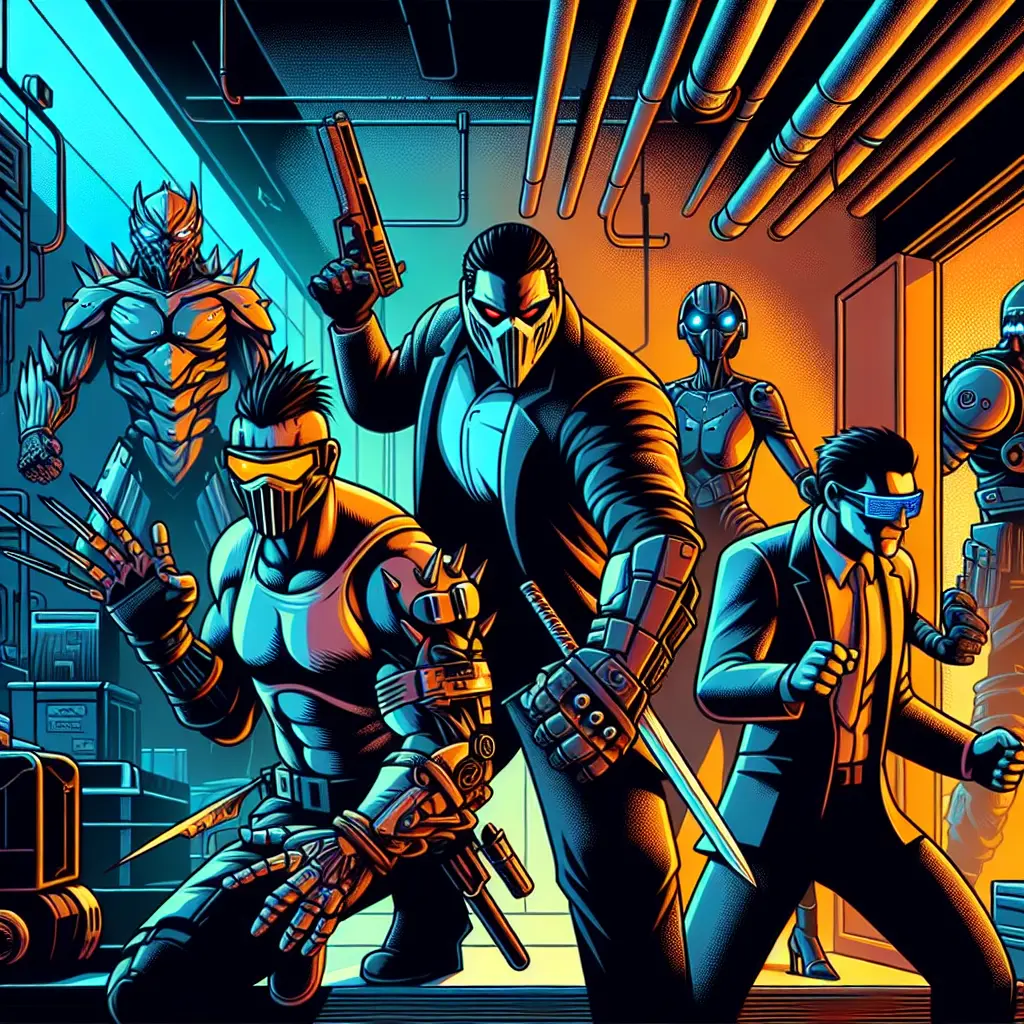
Henchmen and secondary antagonists are supporting villains who assist the main antagonist in achieving their goals. Typically less powerful or influential, they often carry out orders, enforce the antagonist’s will, and provide obstacles for the protagonist. While they may have distinct personalities or motives, their primary role is to create additional conflict, raise the stakes, and add depth to the story’s opposition, making the narrative more dynamic and engaging.
💡 Key Takeaways
- Identify how henchmen support the main antagonist and affect power dynamics in Disney & Pixar films.
- Learn how their actions create obstacles for the protagonist and drive the plot forward.
- Explore how henchmen are given distinct personalities, loyalties, and backstories to enrich world-building.
- Compare differences between henchmen, secondary antagonists, and the main villain, including motivation and agency.
❓ Frequently Asked Questions
What is a henchman in Disney & Pixar films?
A subordinate villain who helps the main antagonist by carrying out orders, enforcing the villain's will, and creating obstacles for the hero. They are usually less powerful than the main villain.
How are secondary antagonists different from henchmen and from the main villain?
Secondary antagonists actively oppose the protagonist but are not the primary villain; henchmen support the main villain. A character can be both a secondary antagonist and a henchman if they oppose the hero and serve the main villain.
What roles do henchmen typically play in the story?
They advance the villain's plans, confront the hero, escalate challenges, and help reveal the villain's reach—often providing action and tension.
Can you name some Disney/Pixar examples of henchmen or secondary antagonists?
Disney: Captain Hook's pirates (Peter Pan) as henchmen; Ursula's eels Flotsam and Jetsam as henchmen; Scar's hyenas as secondary antagonists (The Lion King). Pixar: Syndrome's minions help execute his plans in The Incredibles.