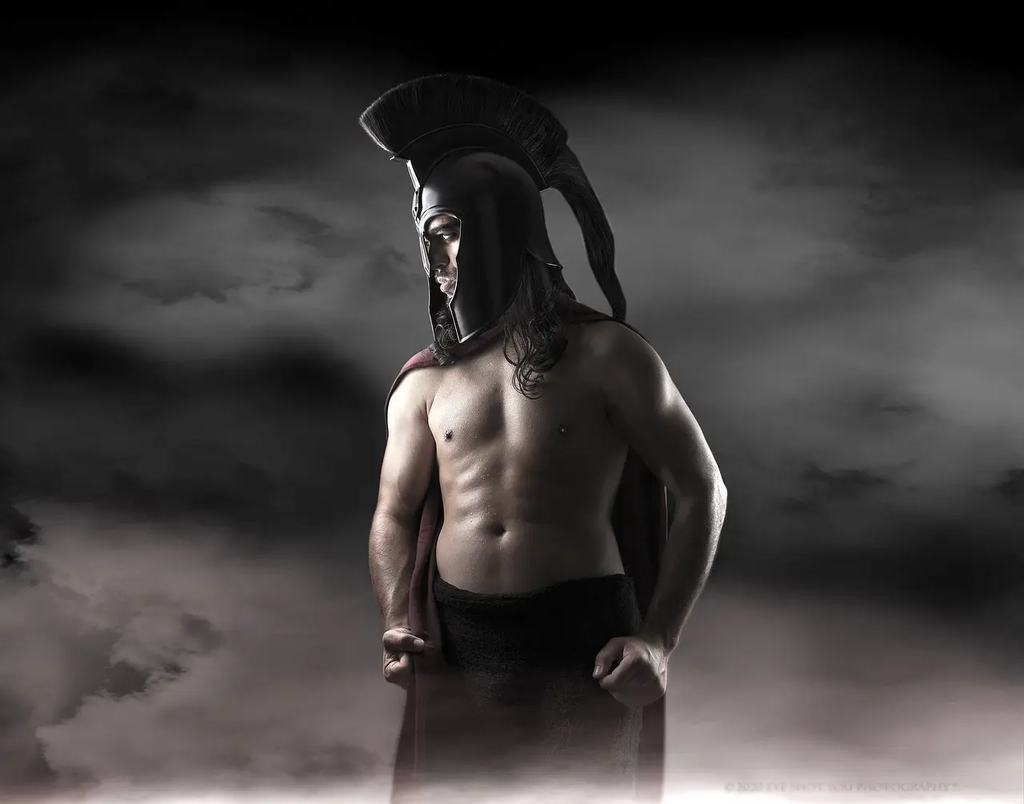
"Heroes in Political Movements" refers to individuals whose actions dramatically shape the course of history, driving change, inspiring followers, and challenging the status quo. Whether viewed as heroes or villains depends on perspective, context, and impact. Their legacies are debated, as one person's liberator may be another's oppressor. This phrase encapsulates the complexity of defining heroism within the turbulent, morally ambiguous world of political activism and transformation.
Heroes in Political Movements
"Heroes in Political Movements" refers to individuals whose actions dramatically shape the course of history, driving change, inspiring followers, and challenging the status quo. Whether viewed as heroes or villains depends on perspective, context, and impact. Their legacies are debated, as one person's liberator may be another's oppressor. This phrase encapsulates the complexity of defining heroism within the turbulent, morally ambiguous world of political activism and transformation.

💡 Key Takeaways
- Identify how “heroes” are created, promoted, and used in political movements
- Understand the role of symbolism, narratives, and media in shaping public support
- Analyze how hero figures influence recruitment, motivation, and group identity
- Evaluate the benefits and risks of hero-worship in political activism and governance
- Explore how hero narratives change over time as movements gain or lose power
❓ Frequently Asked Questions
What does it mean for “heroes” to appear in political movements?
It refers to influential figures whose image, actions, or legacy are used to inspire support, symbolize ideals, or legitimize a movement’s goals.
How are heroes used to build support in political movements?
By creating emotional connection, providing a clear narrative of purpose, and framing the movement as morally right or historically necessary.
What role does propaganda play in shaping heroic political figures?
Propaganda can amplify certain traits, selectively present events, and spread simplified stories to make a hero seem exemplary and the movement seem inevitable.
Are political heroes always based on real achievements?
Not necessarily—some are rooted in real actions, while others may be mythologized, exaggerated, or even constructed to serve strategic political aims.
What are common risks of hero-based political messaging?
It can encourage blind loyalty, reduce critical thinking, oversimplify complex issues, and justify questionable actions by claiming the hero’s authority.