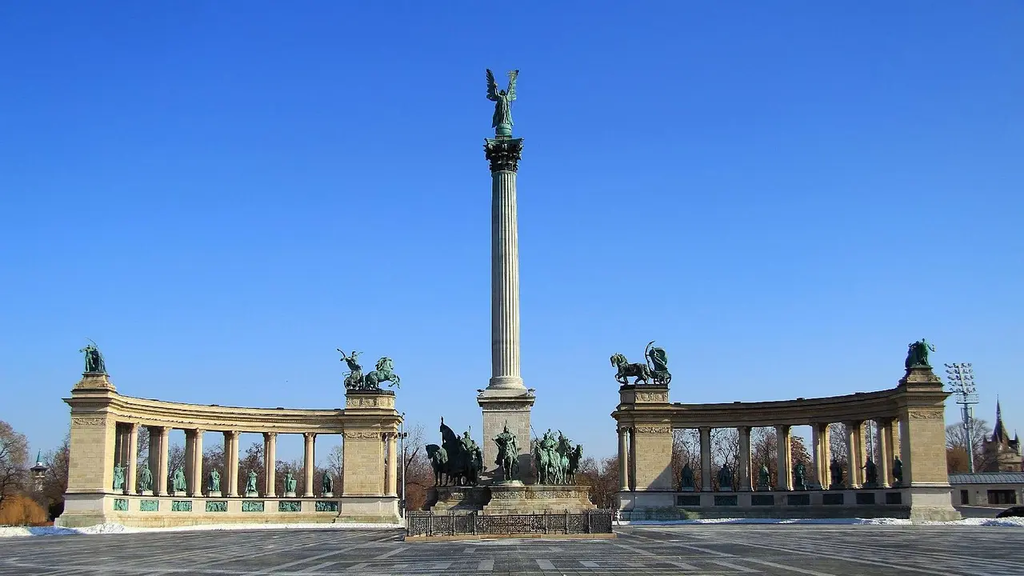
In war literature, heroes are often complex figures whose actions blur the lines between heroism and villainy. These characters confront extreme circumstances, making difficult choices that challenge traditional notions of good and evil. Their bravery, sacrifice, and leadership are frequently juxtaposed with acts of violence or moral ambiguity, prompting readers to question what truly defines a hero. This nuanced portrayal becomes the ultimate character test, inviting deeper reflection on human nature in times of conflict.
Heroes in War Literature
In war literature, heroes are often complex figures whose actions blur the lines between heroism and villainy. These characters confront extreme circumstances, making difficult choices that challenge traditional notions of good and evil. Their bravery, sacrifice, and leadership are frequently juxtaposed with acts of violence or moral ambiguity, prompting readers to question what truly defines a hero. This nuanced portrayal becomes the ultimate character test, inviting deeper reflection on human nature in times of conflict.

💡 Key Takeaways
- Recognize how war literature complicates the hero-versus-villain divide.
- Identify the kinds of moral dilemmas characters face under extreme circumstances.
- Explore how bravery, sacrifice, and leadership can coexist with harmful actions.
- Understand why context and perspective shape whether a character is seen as “good” or “evil.”
- Analyze how authors use character choices to challenge traditional notions of morality in war stories.
❓ Frequently Asked Questions
Why are war literature characters often both heroic and villainous?
War forces characters into moral compromises, so their actions may show courage and sacrifice while also causing harm or violating ethical boundaries.
What makes a character a “hero” in war literature?
Heroes often demonstrate leadership, bravery under pressure, and a willingness to protect others—even when their choices come with serious consequences.
How can the same character be read as a villain?
A character may be viewed as a villain when their methods involve cruelty, manipulation, or harm to civilians, or when they justify wrongdoing as necessary.
What role do extreme circumstances play in blurring moral lines?
Under threat, fear, and scarcity, characters may make “necessary” choices that would seem unacceptable in peacetime, complicating simple good-versus-evil judgments.
How should readers approach the “hero or villain” challenge in this type of quiz?
Look for evidence in both directions—acts of protection and sacrifice versus actions that cause harm—then decide based on the character’s motivations and consequences.