

"Heroic Acts in History (Hero or Villain? The Ultimate Character Challenge)" explores significant deeds from the past, questioning whether those who performed them were true heroes or had villainous motives. It challenges the traditional black-and-white view of historical figures, encouraging deeper analysis of their actions, context, and consequences. This phrase invites reflection on morality, perspective, and the complexity of judging character through the lens of history.
Heroic Acts in History+40
"Heroic Acts in History (Hero or Villain? The Ultimate Character Challenge)" explores significant deeds from the past, questioning whether those who performed them were true heroes or had villainous motives. It challenges the traditional black-and-white view of historical figures, encouraging deeper analysis of their actions, context, and consequences. This phrase invites reflection on morality, perspective, and the complexity of judging character through the lens of history.
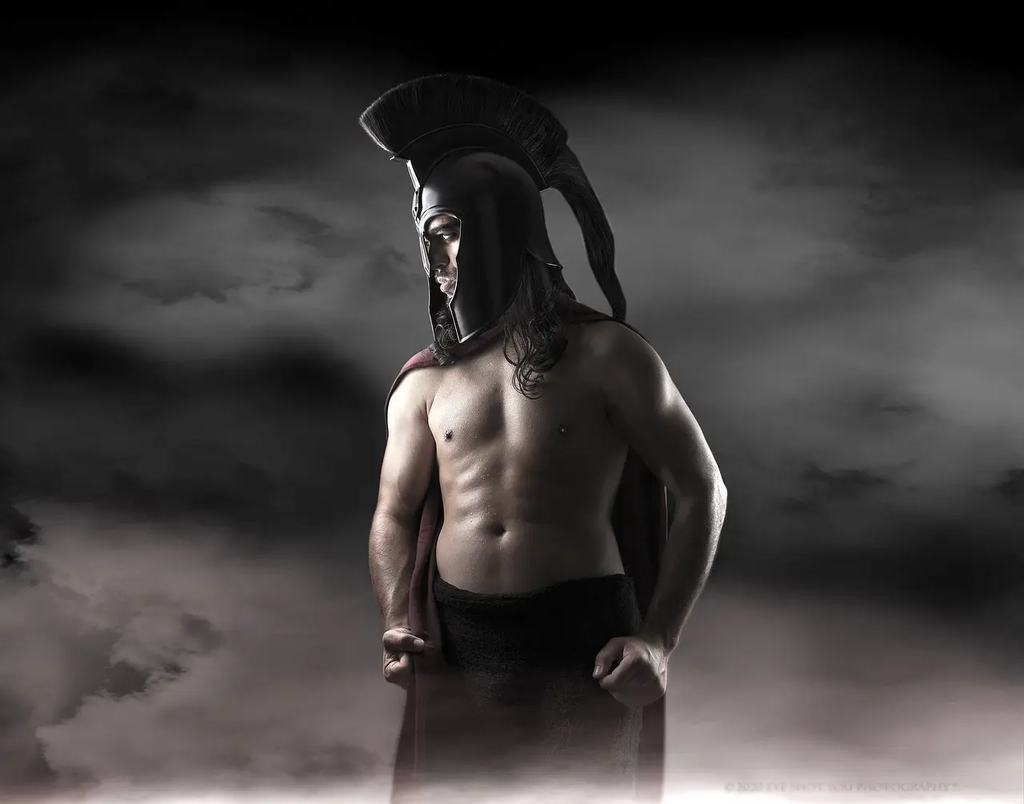
💡 Key Takeaways
- Explore notable heroic acts from different eras and cultures.
- Learn what motivates heroic actions and the ethics involved.
- Analyze how heroism has shaped societies, laws, and collective memory.
- Recognize different forms of heroism, from individual bravery to collective action.
❓ Frequently Asked Questions
What counts as a heroic act in history?
A courageous, selfless action that risks the actor's safety to help others, often motivated by concern for the vulnerable and carried out under difficult circumstances.
How do historians decide which acts are recognized as heroic?
They examine credible sources, compare accounts, assess the impact and outcomes, and consider the historical context and possible biases.
Can everyday acts be considered heroic?
Yes. Everyday courage or self‑ sacrifice that improves others' lives can be heroic, even if less famous.
Why study heroic acts in history?
They reveal shared values, inspire resilience, and show how acts of courage have shaped laws, norms, and collective memory.


