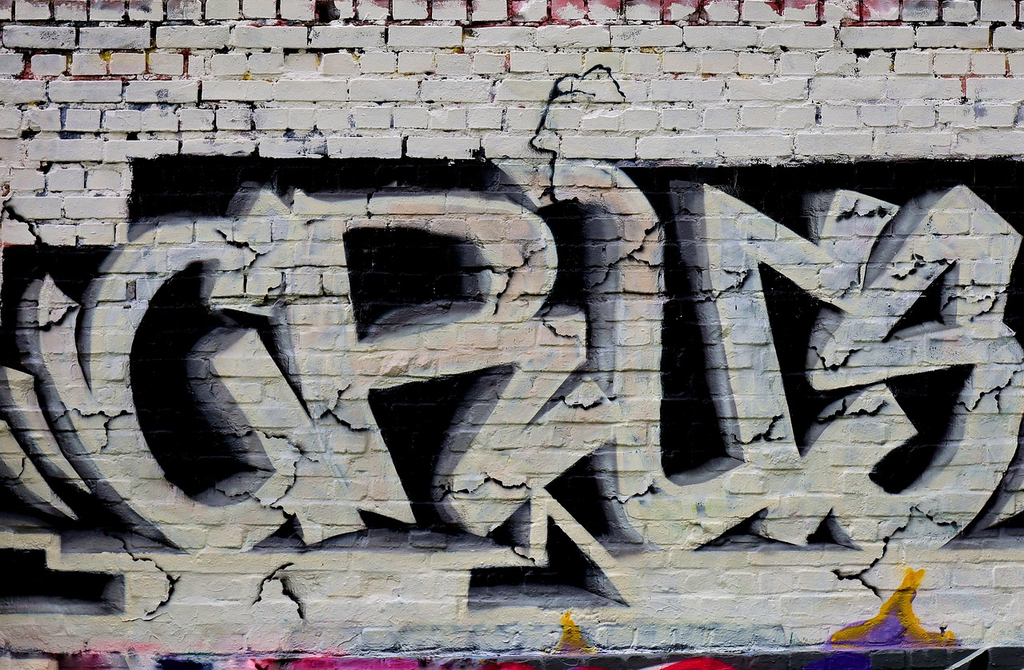
Hidden messages in art, often referred to as being "hidden in plain sight," involve artists embedding symbols, codes, or subtle visual cues within their works. These concealed elements may carry personal, political, or cultural meanings that are not immediately obvious to viewers. By integrating hidden messages, artists invite deeper analysis and interpretation, encouraging audiences to look beyond the surface and uncover layered narratives or commentary woven into the artwork’s composition.
Hidden Messages in Art+50
Hidden messages in art, often referred to as being "hidden in plain sight," involve artists embedding symbols, codes, or subtle visual cues within their works. These concealed elements may carry personal, political, or cultural meanings that are not immediately obvious to viewers. By integrating hidden messages, artists invite deeper analysis and interpretation, encouraging audiences to look beyond the surface and uncover layered narratives or commentary woven into the artwork’s composition.
💡 Key Takeaways
- Identify common symbols and iconography artists use to conceal messages in art.
- Explain how composition, color, and perspective steer viewers toward hidden meanings.
- Understand how historical context and the artist’s life influence encoded messages.
- Describe how political, social, or personal commentary can be embedded in artworks.
❓ Frequently Asked Questions
What counts as a hidden message in art?
A meaning not immediately obvious, often conveyed through symbols, codes, or subtle composition that invites interpretation beyond the visible subject.
What techniques are commonly used to hide messages in artworks?
Symbolic motifs, coded inscriptions, acrostics, anamorphosis (distorted shapes readable from a specific angle), hidden signatures, or deliberate color symbolism.
How can you spot hidden messages in a work of art?
Look for unusual symbols or recurring motifs, note any text or inscriptions, examine composition for non-literal cues, and consider the artist's historical context and influences.
Why do artists hide messages in their art?
To convey personal beliefs, challenge censorship, or communicate political, social, or intimate ideas to knowledgeable viewers.