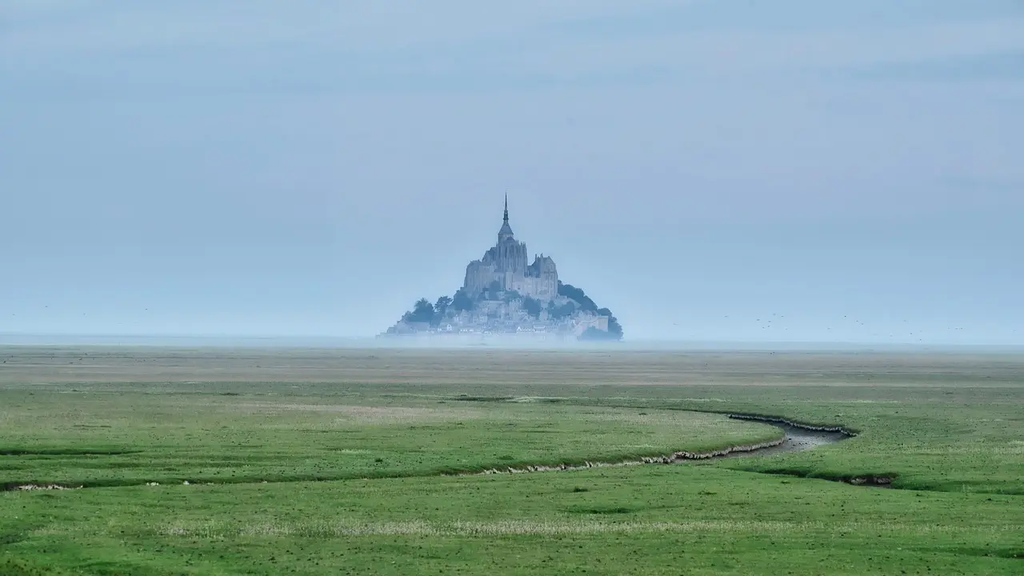
High-altitude capitals and mountain nations refer to countries whose administrative centers are situated at significant elevations above sea level, often surrounded by rugged, mountainous terrain. These locations, such as La Paz in Bolivia or Thimphu in Bhutan, experience unique climatic conditions, cultural adaptations, and logistical challenges due to their elevation. The geography influences local architecture, transportation, and lifestyle, fostering distinct traditions and resilience among inhabitants.
High-Altitude Capitals and Mountain Nations
High-altitude capitals and mountain nations refer to countries whose administrative centers are situated at significant elevations above sea level, often surrounded by rugged, mountainous terrain. These locations, such as La Paz in Bolivia or Thimphu in Bhutan, experience unique climatic conditions, cultural adaptations, and logistical challenges due to their elevation. The geography influences local architecture, transportation, and lifestyle, fostering distinct traditions and resilience among inhabitants.
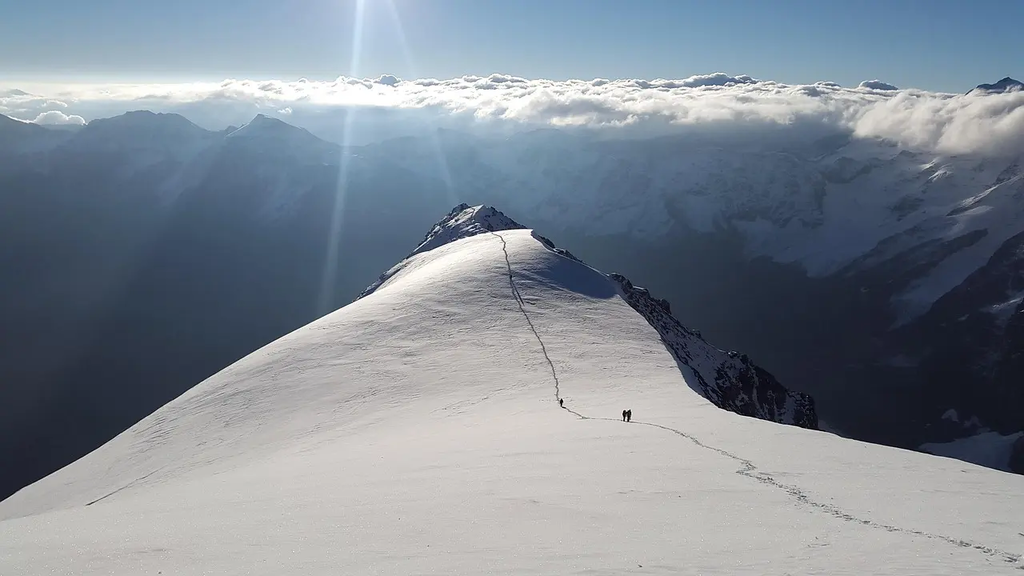
💡 Key Takeaways
- Identify high-altitude capitals and the countries they govern (e.g., La Paz in Bolivia, Thimphu in Bhutan) and note their elevations.
- Explain how altitude shapes climate, weather, and human physiology, including acclimatization needs for residents and visitors.
- Describe how rugged mountain terrain influences infrastructure, transportation, and urban planning in these capitals.
- Compare mountain nations across different ranges (Andes, Himalayas, etc.) and how geography informs their economy, governance, and tourism.
- Discuss practical implications for travelers and locals, such as health considerations and culturally adapted practices in high-altitude capitals.
❓ Frequently Asked Questions
What makes a capital 'high-altitude'?
A capital city located well above sea level, typically around 2,000–3,500+ meters, where thinner air and cooler temps influence daily life.
Which capitals are commonly cited as high-altitude capitals?
Examples include La Paz (Bolivia) ~3,650 m, Bogotá (Colombia) ~2,640 m, Quito (Ecuador) ~2,850 m, and Thimphu (Bhutan) ~2,300 m.
How does altitude affect people living or visiting these capitals?
Lower oxygen levels can cause acclimatization needs or altitude sickness for newcomers; residents adapt over time. Expect cooler weather and stronger sun due to elevation.
What are some typical features of mountain nations?
Rugged terrain can raise transport and infrastructure costs but supports tourism, hydroelectric power, and unique cultures, influencing how capitals are connected and developed.