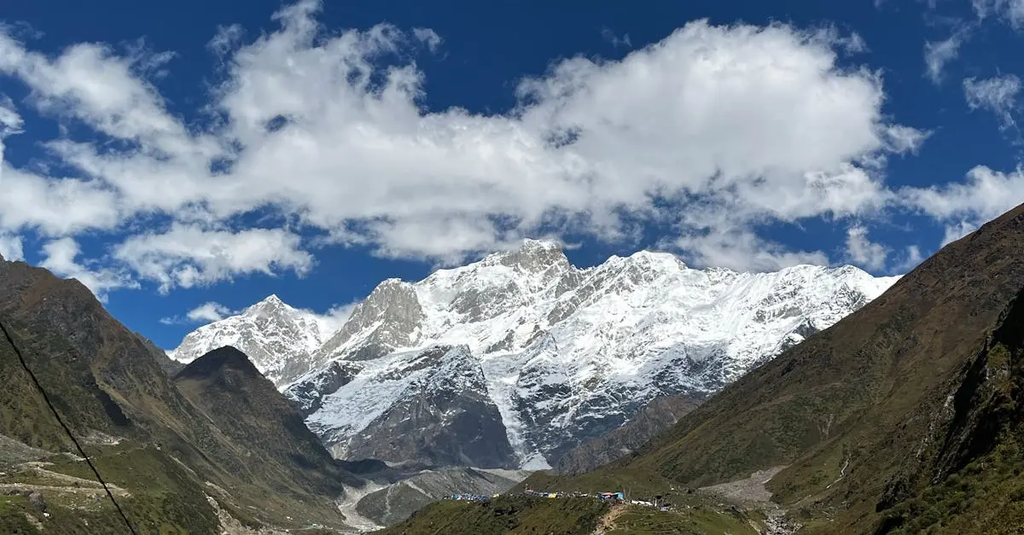
High-altitude trekking involves hiking at elevations typically above 2,500 meters, where reduced oxygen levels can challenge the body. Acclimatization is the process by which trekkers gradually adapt to lower oxygen, minimizing risks like altitude sickness. This is achieved by ascending slowly, taking rest days, staying hydrated, and allowing the body time to adjust. Proper acclimatization ensures safety and enhances the overall trekking experience in mountainous regions.
High-Altitude Trekking and Acclimatization
High-altitude trekking involves hiking at elevations typically above 2,500 meters, where reduced oxygen levels can challenge the body. Acclimatization is the process by which trekkers gradually adapt to lower oxygen, minimizing risks like altitude sickness. This is achieved by ascending slowly, taking rest days, staying hydrated, and allowing the body time to adjust. Proper acclimatization ensures safety and enhances the overall trekking experience in mountainous regions.
💡 Key Takeaways
- Understand what high-altitude trekking is (typically above 2,500 meters) and how thinner air can affect energy, breathing, and safety.
- Learn what acclimatization means and how the body adapts over time via increased ventilation and red blood cell production.
- Know practical ascent rules to minimize risk, including a slow pace, daily elevation gains (about 300–500 m after 2,500 m), and planned rest days.
- Recognize common altitude sickness symptoms and know when to descend or seek medical help.
❓ Frequently Asked Questions
What is high-altitude trekking?
Hiking at elevations typically above 2,500 meters where thinner air provides less oxygen, challenging the body.
What is acclimatization and why is it important?
Acclimatization is the body's gradual adaptation to lower oxygen levels to reduce the risk of altitude sickness by ascending slowly and including rest days.
How can you safely acclimate on a trek?
Ascend gradually, limit elevation gain to about 300–500 meters per day, schedule rest days, sleep at lower altitudes, stay hydrated, and avoid heavy exertion or alcohol.
What are common signs of altitude sickness and what should you do?
Symptoms include headache, nausea, dizziness, fatigue, and sleep disturbance. If symptoms appear, rest or descend; seek medical help if they worsen or do not improve.
When should you seek professional advice or consider medications?
For treks above 3,000–3,500 meters, consult a clinician about acclimatization strategies and safe use of medications like acetazolamide.