High Renaissance Masters refers to the leading artists of the late 15th and early 16th centuries in Italy, whose works epitomized harmony, balance, and idealized beauty. Key figures include Leonardo da Vinci, Michelangelo, and Raphael. Their innovative techniques in perspective, anatomy, and composition shaped Western art, marking a peak in artistic achievement. This period emphasized classical ideals, humanism, and technical mastery, profoundly influencing future generations of artists.
High Renaissance Masters
High Renaissance Masters refers to the leading artists of the late 15th and early 16th centuries in Italy, whose works epitomized harmony, balance, and idealized beauty. Key figures include Leonardo da Vinci, Michelangelo, and Raphael. Their innovative techniques in perspective, anatomy, and composition shaped Western art, marking a peak in artistic achievement. This period emphasized classical ideals, humanism, and technical mastery, profoundly influencing future generations of artists.
💡 Key Takeaways
- Identify the defining features of High Renaissance art, such as balance, harmony, and naturalism.
- Name the era's master artists (Leonardo da Vinci, Michelangelo, and Raphael) and their iconic works.
- Explain techniques like sfumato, chiaroscuro, and linear perspective that create lifelike figures.
- Understand how classical ideals and elite patronage shaped compositions and subjects in High Renaissance works.
❓ Frequently Asked Questions
Who are the High Renaissance Masters and what sets them apart?
Leonardo da Vinci, Michelangelo, and Raphael are regarded as the period’s masters, known for technical mastery, balanced compositions, lifelike anatomy, and a fusion of art with science and humanist ideals (roughly 1490s–1527).
What are the key visual characteristics of High Renaissance painting?
Harmonious composition, clear perspective, accurate anatomy, restrained emotion, and subtle shading techniques like sfumato and chiaroscuro.
Name a few iconic works and their artists, and where they are located?
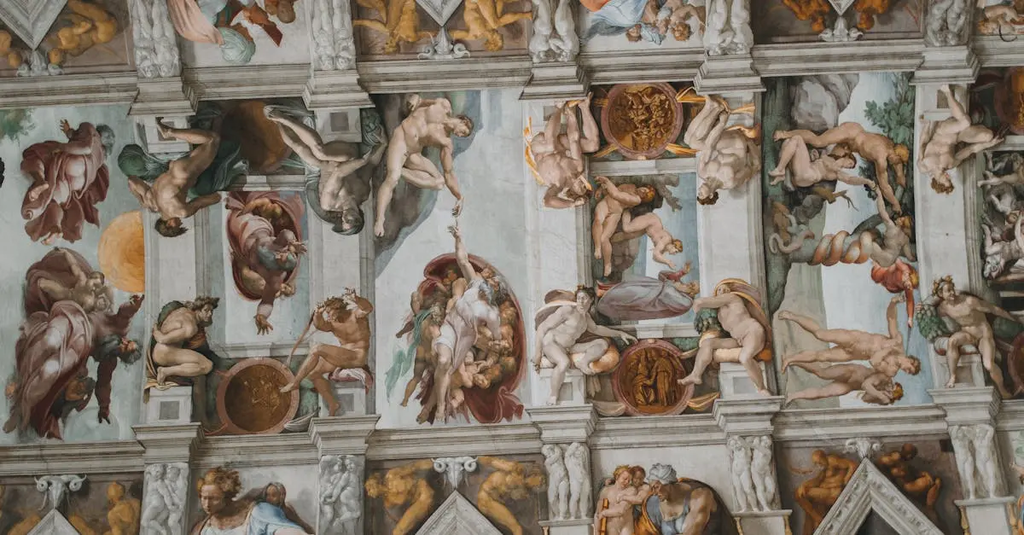
Leonardo: Mona Lisa (Louvre, Paris); The Last Supper (Santa Maria delle Grazie, Milan). Michelangelo: David (Galleria dell'Accademia, Florence); Sistine Chapel ceiling (Vatican). Raphael: The School of Athens (Vatican Museums).
How did the High Renaissance influence later art, and when did it end?
It established standards of harmony, balance, and classical beauty that influenced later movements; it gradually gave way to Mannerism after the 1520s, with disruptions like the 1527 sack of Rome marking the shift.