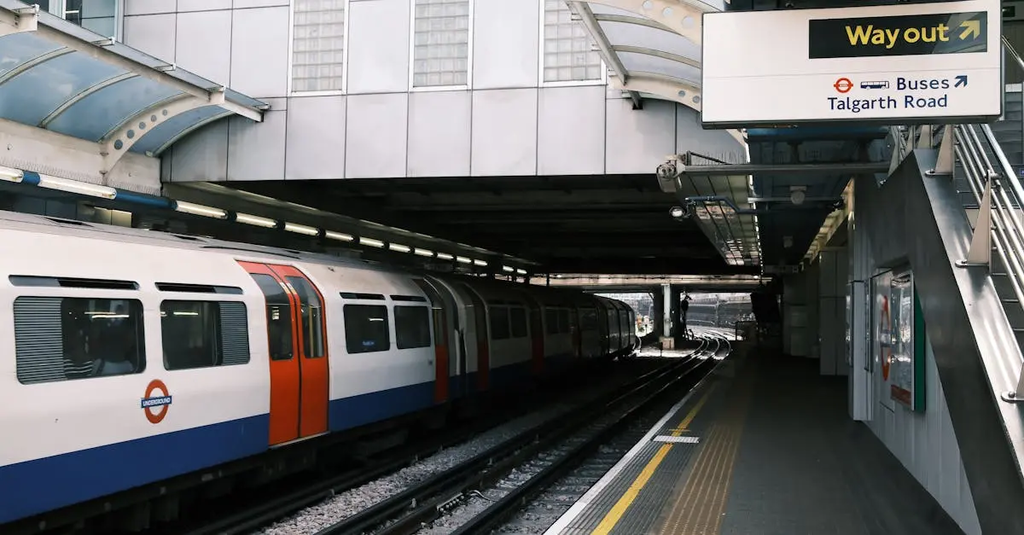
High-speed rail and major road networks in the UK form the backbone of the country’s transportation infrastructure, enabling efficient movement of people and goods. High-speed rail, such as the HS1 and HS2 projects, connects major cities quickly and reduces travel times. Major road networks, including motorways like the M1 and M25, link urban centers, ports, and airports, supporting economic growth and regional connectivity across the nation.
High-speed rail and major road networks in the UK
High-speed rail and major road networks in the UK form the backbone of the country’s transportation infrastructure, enabling efficient movement of people and goods. High-speed rail, such as the HS1 and HS2 projects, connects major cities quickly and reduces travel times. Major road networks, including motorways like the M1 and M25, link urban centers, ports, and airports, supporting economic growth and regional connectivity across the nation.
💡 Key Takeaways
- Understand the role of UK high-speed rail (HS1 and HS2) in improving intercity travel times and connectivity.
- Describe the major road network (motorways and key A roads) as the backbone for freight and regional movement across the UK.
- Explain how high-speed rail and the road network work together to move people efficiently and support a resilient transport system.
- Identify how geography influences the routing of rail and road corridors, including major city clusters and regional linkages.
❓ Frequently Asked Questions
What is high-speed rail and how does it work in the UK?
High-speed rail uses trains and tracks designed for speeds well above traditional rail. In the UK, it aims to shorten journeys between major cities by operating on dedicated lines with powered, fast trains and advanced signaling.
What are HS1 and HS2 in UK rail history?
HS1 is the existing high-speed line from London to the Channel Tunnel, serving the southeast. HS2 is a planned high-speed network to connect London with Birmingham and then Manchester and Leeds in phases, reducing travel times.
What constitutes the UK's major road networks?
Major roads include motorways (like M1, M25) and key A roads that carry long-distance and regional traffic, forming the backbone of road transport alongside local streets.
How do high-speed rail and major roads work together to move people and goods?
High-speed rail provides fast city-to-city connectivity, while major roads support regional access and freight. Together, they enable efficient movement, reduce congestion, and bolster economic activity.