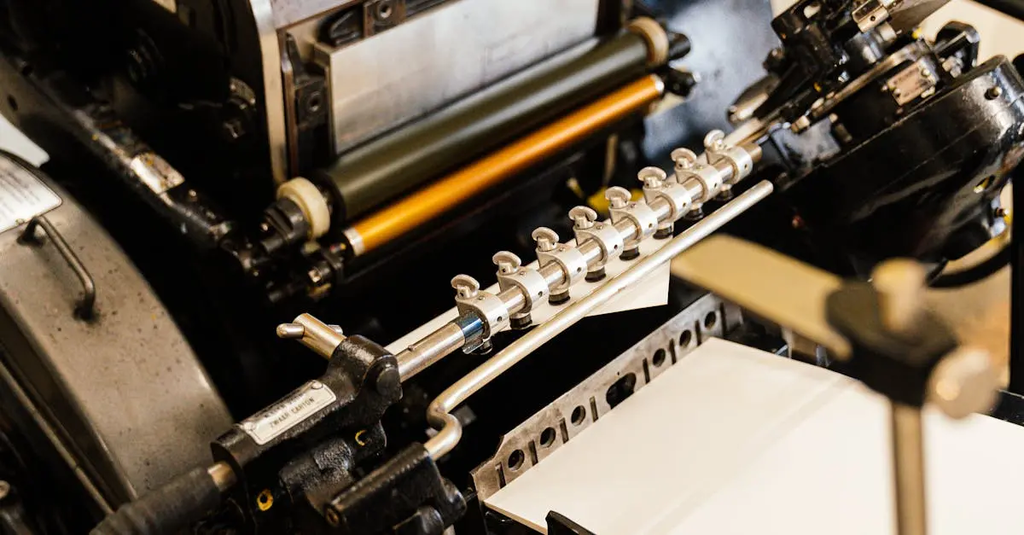
A historic UK printing press refers to traditional printing machines or establishments in the United Kingdom that played a significant role in the spread of literature, news, and information. These presses, such as those used by William Caxton or at Oxford and Cambridge, revolutionized communication from the 15th century onward. They contributed greatly to literacy, education, and the dissemination of ideas, shaping British society and culture over the centuries.
Historic UK printing press+50
A historic UK printing press refers to traditional printing machines or establishments in the United Kingdom that played a significant role in the spread of literature, news, and information. These presses, such as those used by William Caxton or at Oxford and Cambridge, revolutionized communication from the 15th century onward. They contributed greatly to literacy, education, and the dissemination of ideas, shaping British society and culture over the centuries.
💡 Key Takeaways
- Understand how movable type and the printing press enabled mass production of books, pamphlets, and news, transforming access to literature and information.
- Learn William Caxton's role in introducing English printed books and helping standardize English spelling.
- Recognize how Oxford University Press and Cambridge University Press contributed to disseminating scholarly work across the UK.
- Appreciate the broader effects of historic UK presses on literacy, culture, and the spread of ideas.
❓ Frequently Asked Questions
What is a historic UK printing press?
A traditional printing machine or workshop in the UK from the early days of printing, used to produce books, newspapers, and texts, helping spread literature and information.
Who was William Caxton and why is he important?
William Caxton introduced England's first major printing press in the 1470s, printing books in English and helping standardize language and literacy.
What role did Oxford and Cambridge play in historic UK printing?
Universities like Oxford and Cambridge housed early presses that published scholarly, religious, and classical works, spreading knowledge beyond manuscript copies.
How did historic printing presses change the spread of literature and information?
They allowed mass production of texts, reducing cost and increasing distribution, which boosted literacy, learning, and public debate.
What is movable type and why is it significant in UK printing history?
Movable type uses reusable letters to compose pages; its use in UK presses accelerated printing, improved consistency, and expanded access to printed works.