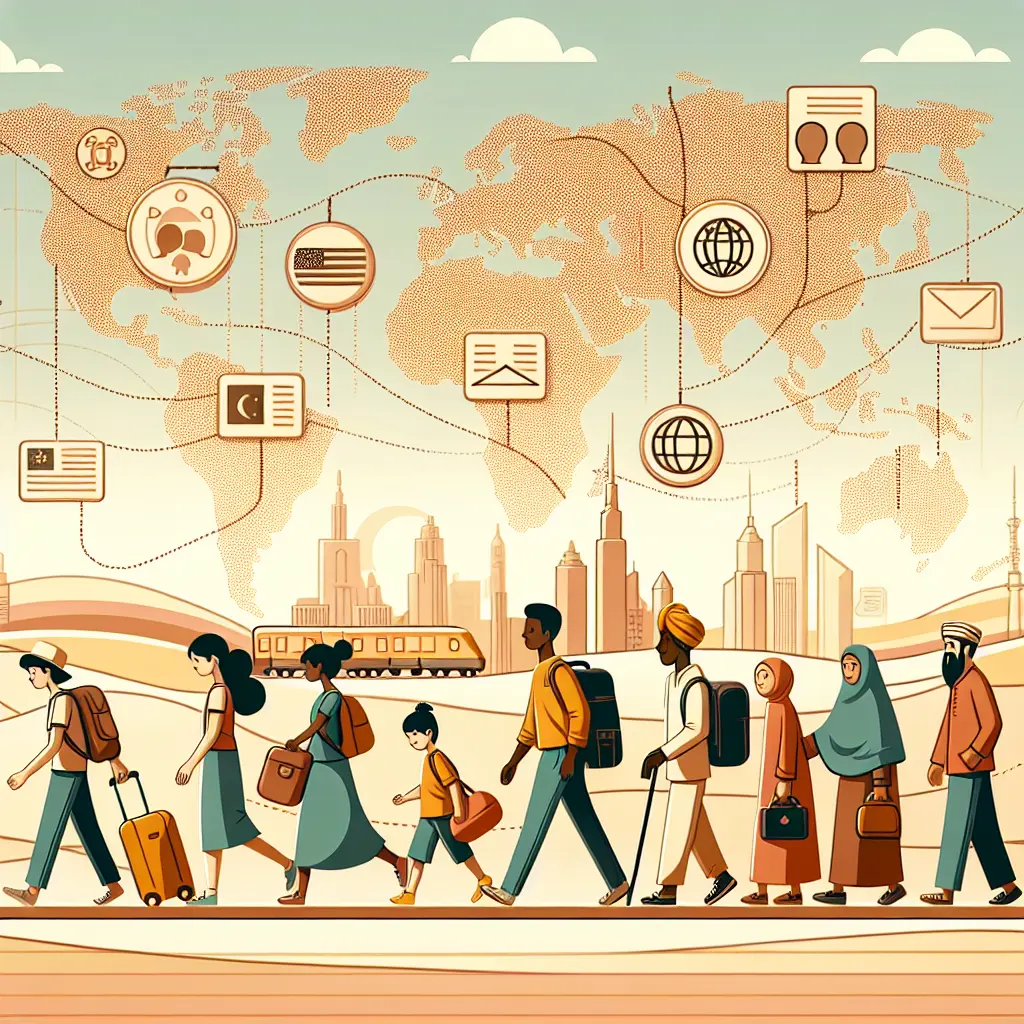
The phrase "Historical Events: Research Topics, Debates & Frontiers" refers to the study and examination of significant occurrences in history, highlighting key areas scholars investigate. It encompasses a range of research topics, the ongoing debates surrounding interpretations and causes, and the frontiers—new or emerging perspectives and methodologies—shaping our understanding of the past. This approach encourages critical analysis and exploration of how history is constructed, challenged, and expanded.
Historical Events: Research Topics, Debates & Frontiers
The phrase "Historical Events: Research Topics, Debates & Frontiers" refers to the study and examination of significant occurrences in history, highlighting key areas scholars investigate. It encompasses a range of research topics, the ongoing debates surrounding interpretations and causes, and the frontiers—new or emerging perspectives and methodologies—shaping our understanding of the past. This approach encourages critical analysis and exploration of how history is constructed, challenged, and expanded.
💡 Key Takeaways
- Identify major global historical events and their significance in world history
- Describe common research topics historians investigate about events and processes
- Analyze debates and varying interpretations about causes, consequences, and narratives
- Evaluate sources and historiography to distinguish bias and perspective
- Explore frontiers and emerging questions in world history and geography research
❓ Frequently Asked Questions
What does "Historical Events: Research Topics, Debates & Frontiers" cover?
It covers the study of significant historical events, the topics researchers investigate, the debates about causes and meanings, and the geographic and disciplinary frontiers that shape current scholarship.
What are common research topics in world history and geography?
Topics include political revolutions, empire formation, exploration and global networks, migration and demographics, economic systems, technology and communication, environmental influences on events, and the geography of power and borders.
Why do historians debate interpretations of events, and what drives these debates?
Debates stem from limited or biased sources, different theoretical approaches, and multiple possible causes and meanings. New evidence and methods can revise earlier views.
What are frontiers in historical research, and how are they studied?
Frontiers are boundary zones where cultures meet or borders shift. Researchers use cross-disciplinary methods—like geography, archaeology, and digital history, plus maps and GIS—to understand how space and place shape history.
What is the difference between primary and secondary sources in historical research?
Primary sources are original materials from the period (documents, artifacts, eyewitness accounts). Secondary sources are later analyses by historians. Both help build evidence-based explanations and require bias and context assessment.