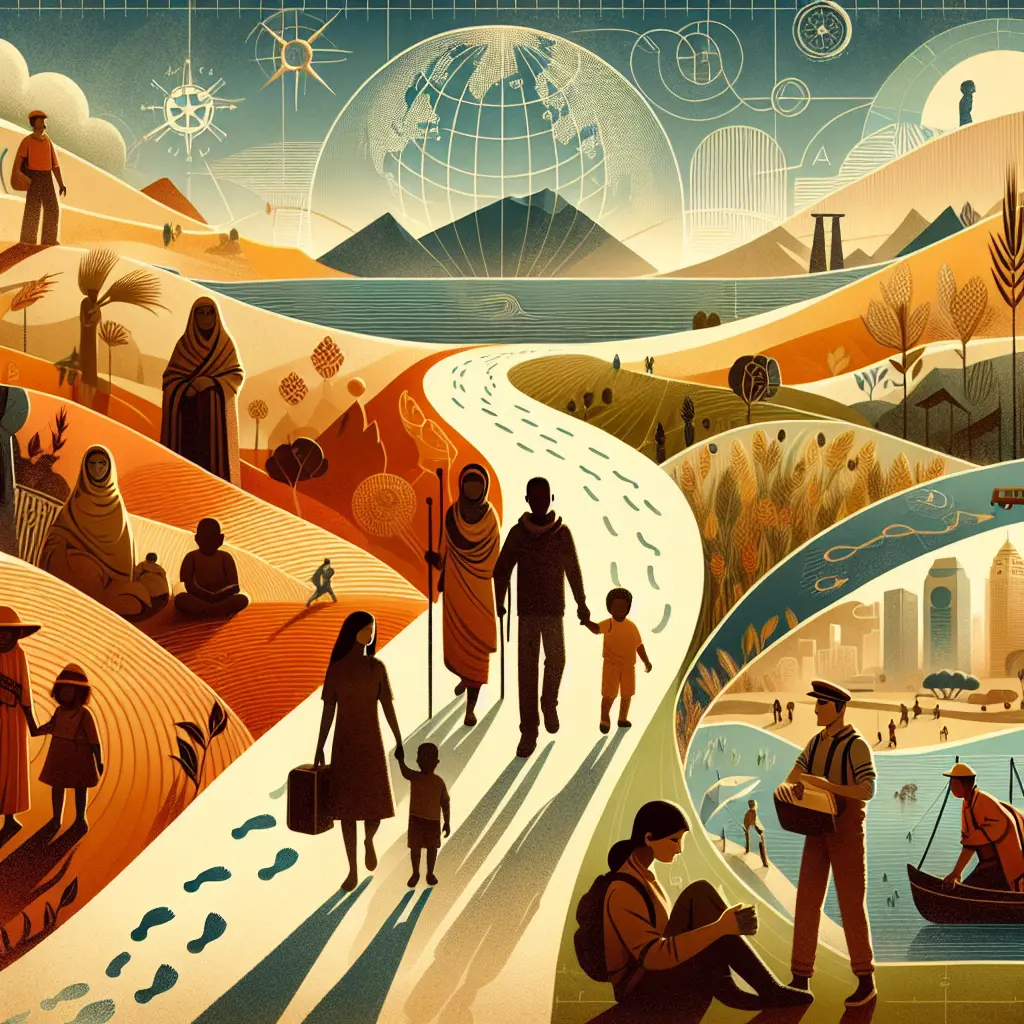
This phrase refers to the use of academic theories and analytical perspectives to interpret and understand historical events. Theoretical frameworks provide structured ways to examine causes, effects, and significance, while critical lenses—such as feminism, Marxism, or postcolonialism—offer specific viewpoints that highlight different aspects of history. Together, they enable deeper analysis, challenge dominant narratives, and reveal underlying power dynamics, biases, and complexities within historical developments.
Historical Events: Theoretical Frameworks & Critical Lenses
This phrase refers to the use of academic theories and analytical perspectives to interpret and understand historical events. Theoretical frameworks provide structured ways to examine causes, effects, and significance, while critical lenses—such as feminism, Marxism, or postcolonialism—offer specific viewpoints that highlight different aspects of history. Together, they enable deeper analysis, challenge dominant narratives, and reveal underlying power dynamics, biases, and complexities within historical developments.
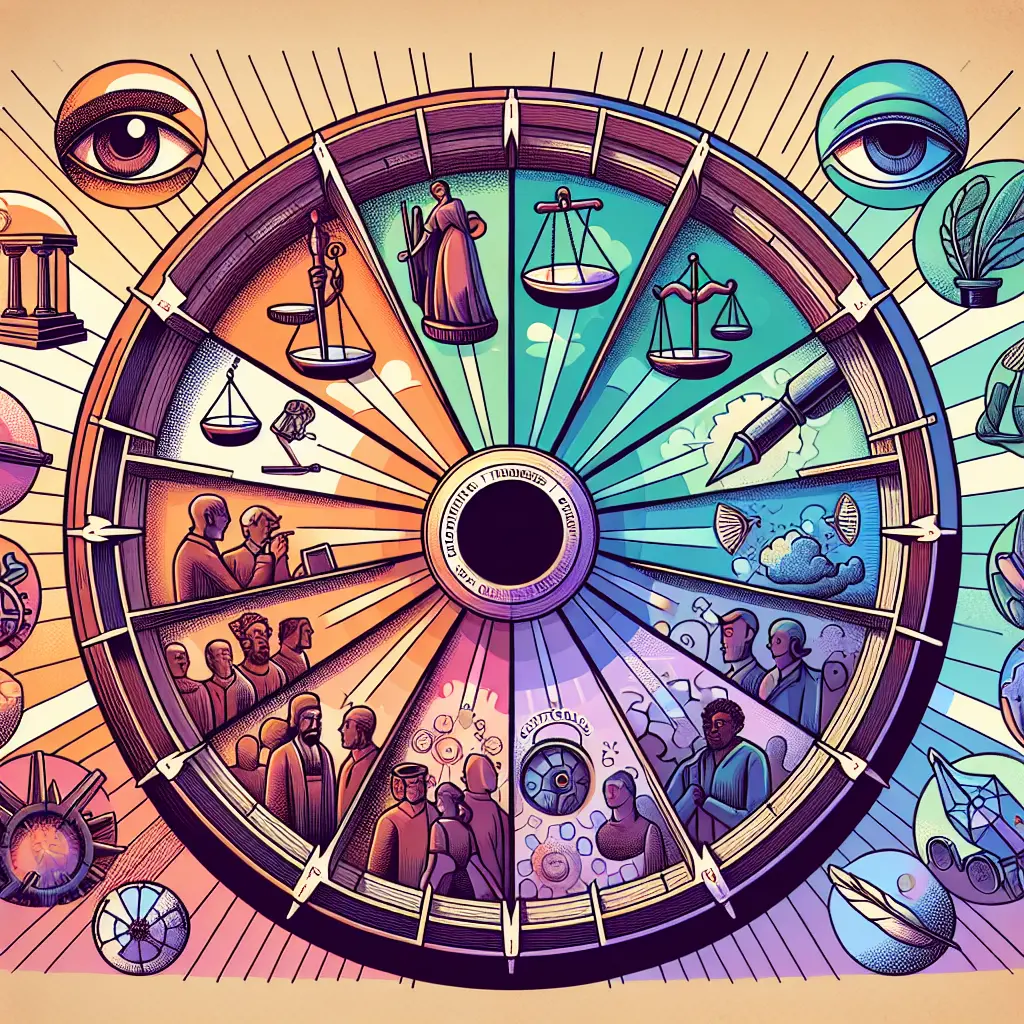
💡 Key Takeaways
- Explain how theoretical frameworks structure the analysis of historical causes, effects, and significance.
- Describe how critical lenses (e.g., feminism, Marxism, postcolonialism) shape interpretations of world events.
- Apply a framework or lens to interpret a historical event within its geographic context.
- Compare multiple frameworks to understand different explanations and their limitations.
- Practice evaluating sources and constructing clear, evidence-based historical arguments.
❓ Frequently Asked Questions
What is a theoretical framework in history?
A structured set of theories and concepts used to guide how historians interpret events, sources, causes, and consequences.
What is a critical lens in historical analysis?
A perspective that emphasizes particular aspects such as power, identity, or representation (e.g., feminism, Marxism, postcolonialism) to interpret events differently.
How do you apply a framework or lens to a quiz question?
Identify key factors (causes, actors, outcomes), analyze evidence through the lens, and justify interpretations with concise reasoning.
What are examples of common critical lenses in world history and geography?
Feminism (gender and power), Marxism (class and economic systems), and postcolonialism (colonial power, empire, and its legacies).
Why use multiple frameworks or lenses when studying historical events?
To uncover different dimensions of a history and gain a more complete, nuanced understanding.