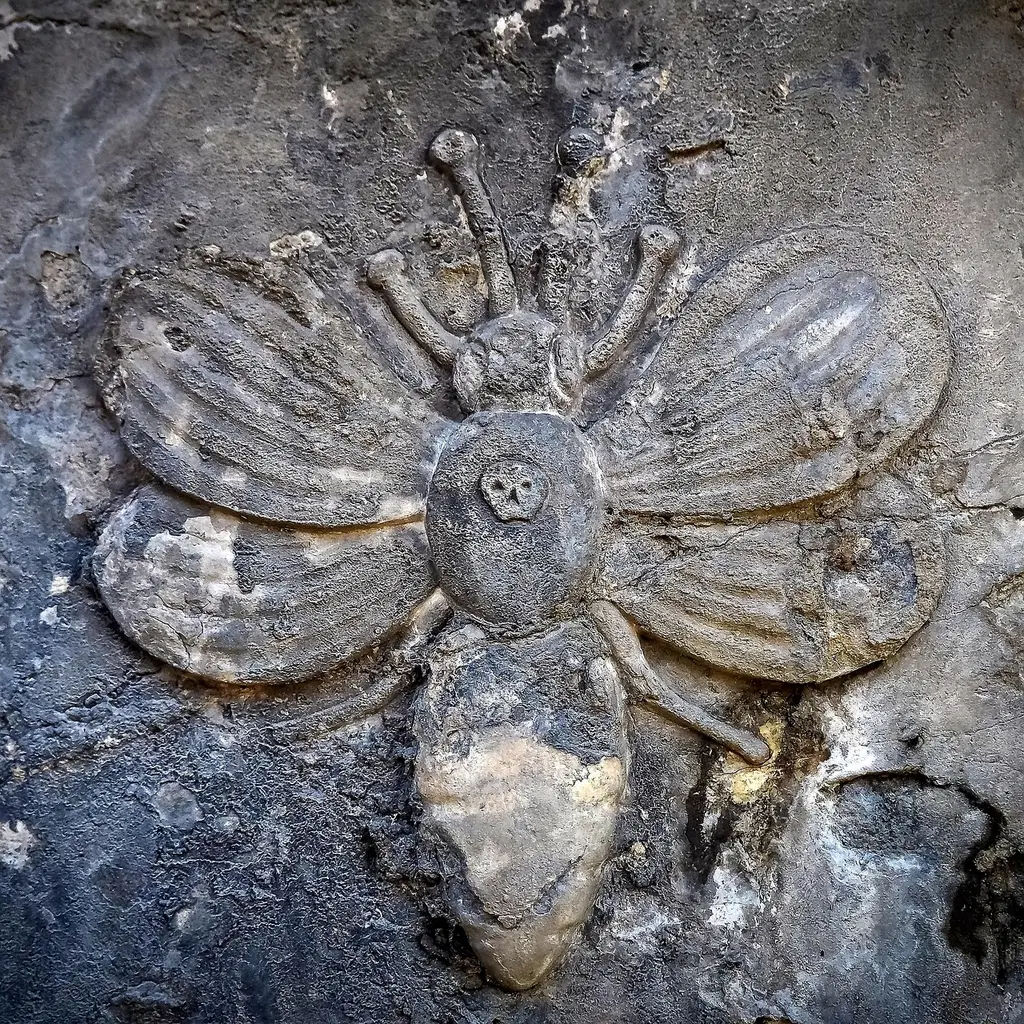
"Historical Optical Illusions (Hidden in Plain Sight)" refers to visual tricks or misleading perceptions embedded within historical artifacts, architecture, or artworks. These illusions were often intentionally crafted by artists or builders to challenge viewers’ perspectives or convey secret messages. Over time, such illusions may go unnoticed, blending seamlessly into their surroundings until rediscovered by modern observers, revealing fascinating insights into the creativity, symbolism, and cultural context of past societies.
Historical Optical Illusions
"Historical Optical Illusions (Hidden in Plain Sight)" refers to visual tricks or misleading perceptions embedded within historical artifacts, architecture, or artworks. These illusions were often intentionally crafted by artists or builders to challenge viewers’ perspectives or convey secret messages. Over time, such illusions may go unnoticed, blending seamlessly into their surroundings until rediscovered by modern observers, revealing fascinating insights into the creativity, symbolism, and cultural context of past societies.

💡 Key Takeaways
- Understand how historical artists used perspective, trompe-l'oeil, and anamorphosis to create deceptive images
- Learn how early scientists and inventors studied vision through experiments and optical devices
- Identify famous historical optical illusions and what they reveal about perception, memory, and cognition
- Explore how cultural and technological contexts shaped the development and interpretation of optical illusions across time
❓ Frequently Asked Questions
What is an optical illusion?
A visual phenomenon where perception differs from physical reality, so what you see may not match what's actually there.
Name a few classic historical optical illusions and their ideas.
Mueller-Lyer illusion (line length misperception due to arrow-like ends), Ponzo illusion (perspective makes lines appear different in size), and the Necker cube (image that can flip between two 3D interpretations).
How do depth cues influence illusion strength?
Depth cues like perspective, shading, and surrounding context bias size or distance judgments, making some features seem larger, smaller, or farther away.
Why are historical optical illusions still studied today?
They reveal how the visual system processes information, explain common perception errors, and inform design and psychology research.