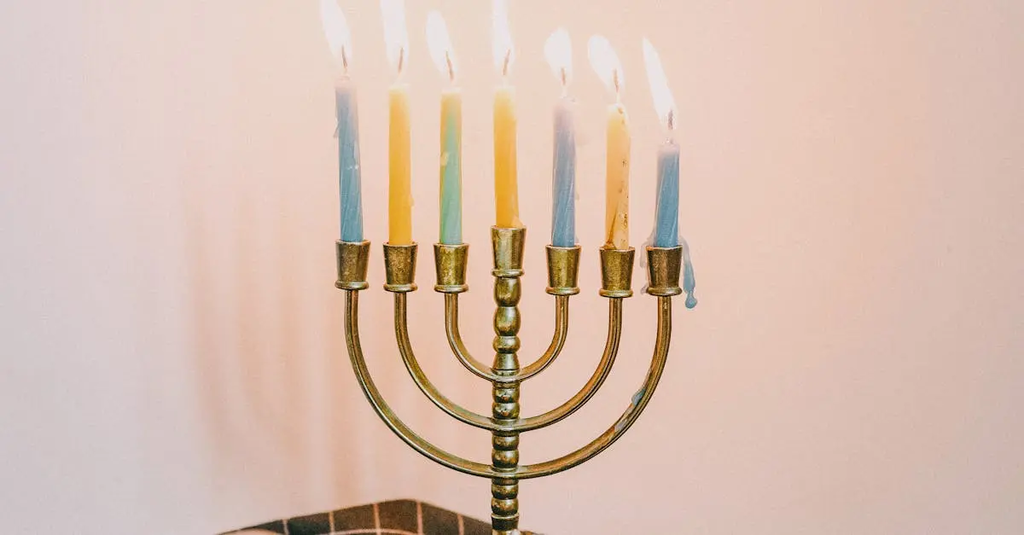
The historiography of Hanukkah in modern narratives examines how the story and significance of Hanukkah have been interpreted, reshaped, and presented over time, particularly in contemporary contexts. It explores how historians, writers, and communities have emphasized different aspects—such as religious freedom, cultural identity, or political resistance—to align with modern values and challenges, thus influencing collective memory and the celebration’s role in Jewish and broader cultural discourse.
Historiography of Hanukkah in Modern Narratives
The historiography of Hanukkah in modern narratives examines how the story and significance of Hanukkah have been interpreted, reshaped, and presented over time, particularly in contemporary contexts. It explores how historians, writers, and communities have emphasized different aspects—such as religious freedom, cultural identity, or political resistance—to align with modern values and challenges, thus influencing collective memory and the celebration’s role in Jewish and broader cultural discourse.
💡 Key Takeaways
- Understand how modern narratives position Hanukkah alongside Christmas in today’s culture.
- Identify major historiographical approaches used to study Hanukkah in contemporary contexts (memory, identity, diaspora, religion).
- See how different voices such as historians, writers, and communities frame Hanukkah's themes, such as religious freedom, cultural identity, and resilience.
- Analyze the impact of media and popular culture on public perceptions of Hanukkah (films, books, social media, marketing).
- Consider critiques of modernization and commercialization and how these debates reshape traditional meanings.
❓ Frequently Asked Questions
What is historiography in the context of Hanukkah studies?
It is the study of how Hanukkah’s story and significance have been interpreted and rewritten over time, especially in modern contexts.
Which aspects do modern narratives tend to emphasize when retelling Hanukkah?
Religious meaning, cultural identity, resilience, and political or social contexts, with shifts depending on contemporary concerns.
How can Hanukkah be presented differently in modern narratives compared to traditional retellings?
Modern stories may foreground themes like religious liberty or community memory, reinterpret miracles, or adjust historical details to fit current perspectives.
What role do media and broader holiday culture play in shaping Hanukkah historiography?
Media portrayals and overlap with holiday culture can highlight certain themes (e.g., family, gift-giving, secular aspects) and influence which facets of the history are emphasized.