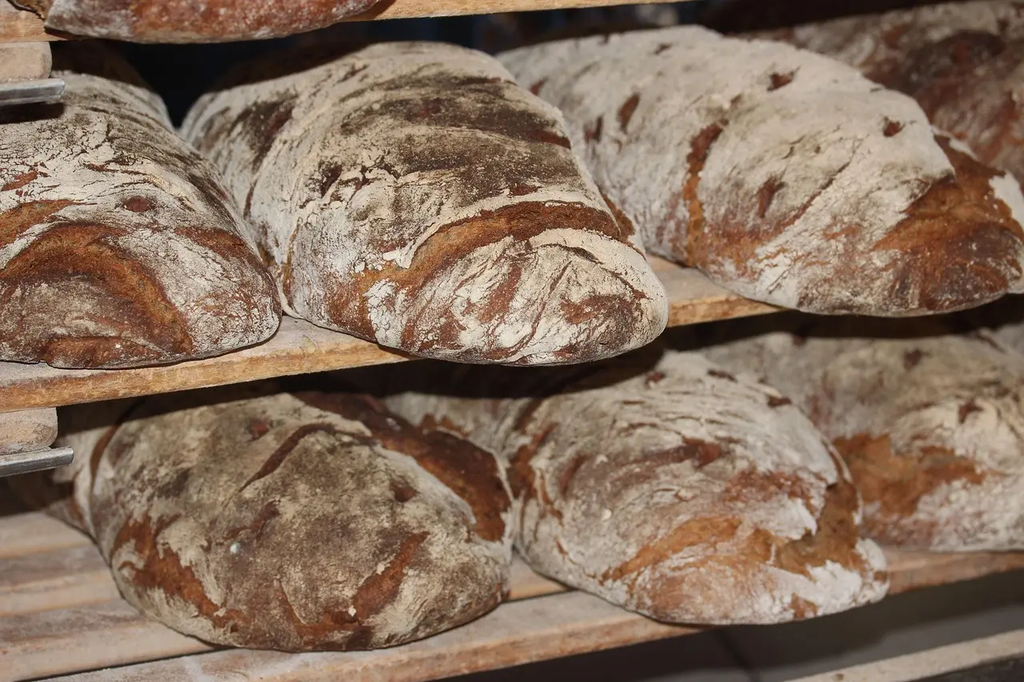
The history of bread traces back over 10,000 years, beginning with ancient civilizations grinding grains and mixing them with water to create simple flatbreads. Over time, techniques evolved, leading to the discovery of leavening agents like yeast in Egypt, which gave rise to softer, airier loaves. Bread became a staple in various cultures, symbolizing sustenance and community. Today, it remains a versatile food, featured in countless global cuisines and snack varieties.
History of Bread
The history of bread traces back over 10,000 years, beginning with ancient civilizations grinding grains and mixing them with water to create simple flatbreads. Over time, techniques evolved, leading to the discovery of leavening agents like yeast in Egypt, which gave rise to softer, airier loaves. Bread became a staple in various cultures, symbolizing sustenance and community. Today, it remains a versatile food, featured in countless global cuisines and snack varieties.
💡 Key Takeaways
- Trace the origins of bread in ancient civilizations and its spread across cultures.
- Learn how fermentation and milling turned flatbreads into risen loaves.
- Compare traditional baking methods with modern industrial bread-making.
- Understand bread's cultural, economic, and social significance throughout history.
❓ Frequently Asked Questions
When did bread-making begin, and what were the earliest breads like?
Bread-making dates to the Stone Age. Early breads were flat and unleavened, made from ground grain and water, baked on stones or in ovens. Leavening appeared later in antiquity.
What is sourdough and why is it historically significant?
Sourdough uses wild yeasts and lactic acid bacteria to ferment dough, creating rise and tangy flavor. It’s one of the oldest leavening methods, predating commercial yeast.
How did bread differ among ancient cultures?
Egypt popularized leavened loaves and brick ovens; Rome spread bakery networks and standardized loaves; Europe developed many regional breads with different grains and techniques; flatbreads remained common in many regions.
What modern leavening methods shape today’s bread?
Commercial yeast speeds up rising; sourdough and pre-ferments add flavor and texture; chemical leaveners enable quick breads. Temperature, hydration, and kneading also influence crumb and crust.