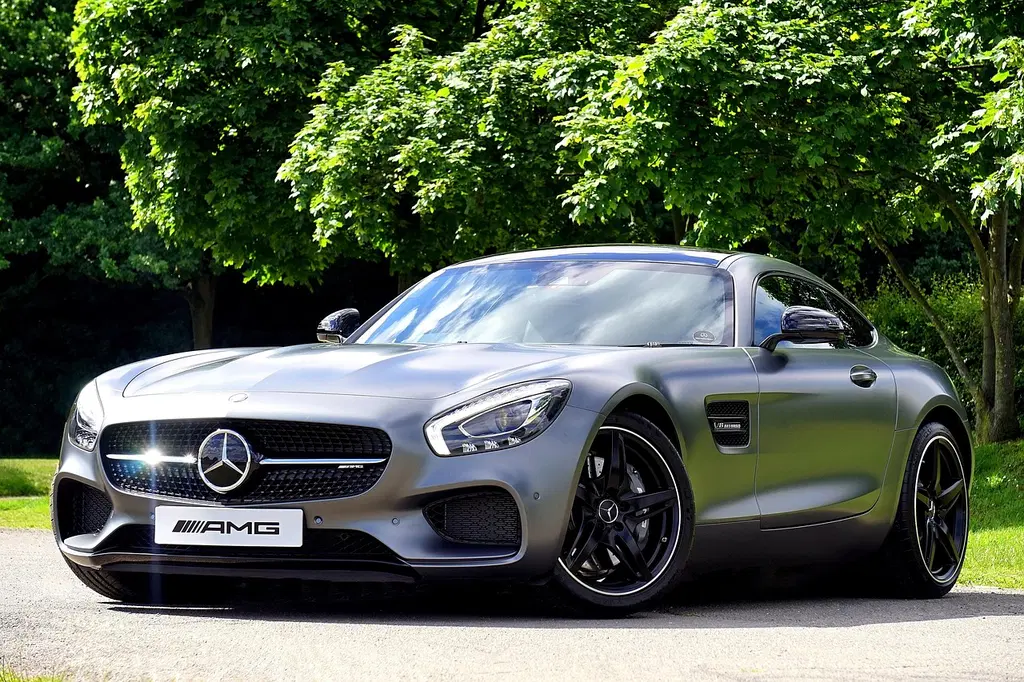
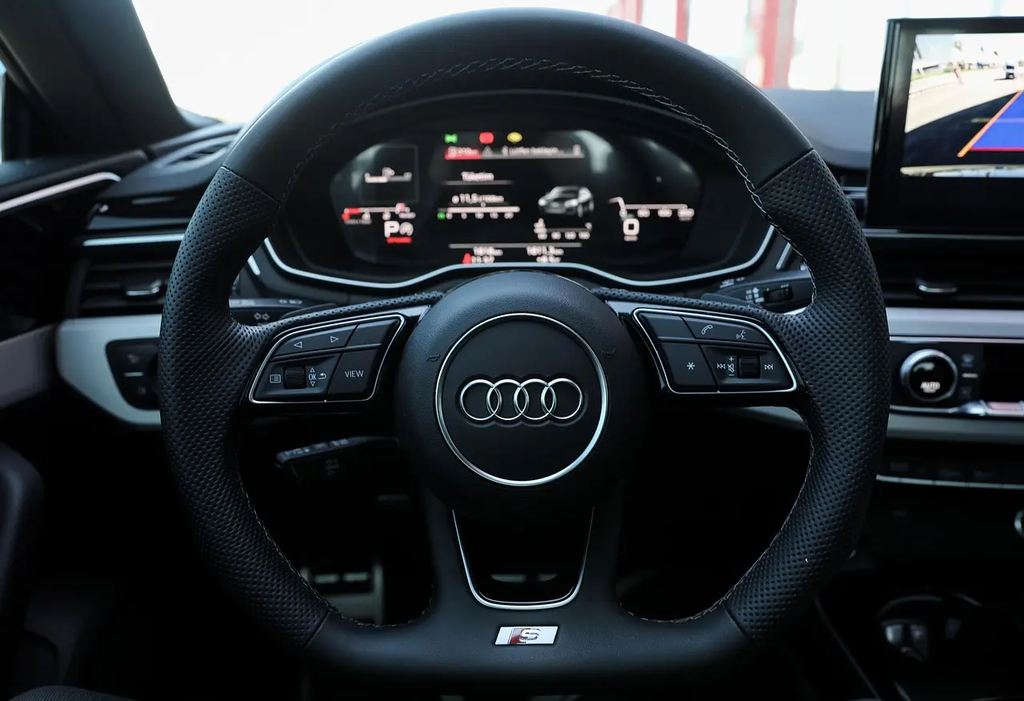
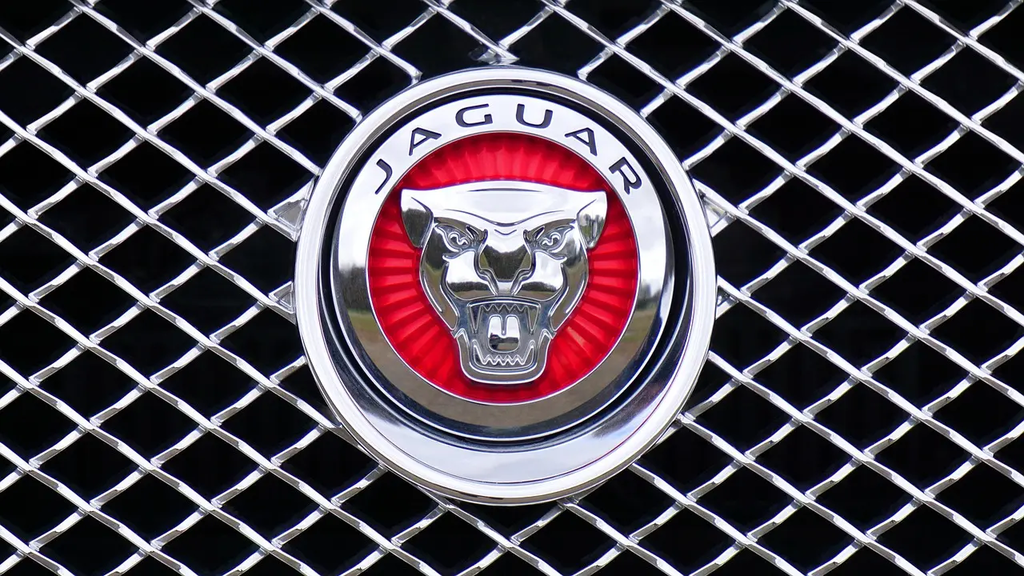
The history of car logos reflects the evolution of automotive brands, symbolizing identity, prestige, and innovation. Early logos were often elaborate, drawing from family crests or national symbols, while modern designs favor simplicity and global recognition. Luxury car logos, such as those of Mercedes-Benz or Rolls-Royce, emphasize exclusivity and heritage, often using elegant typography and iconic imagery. Over time, car logos have become powerful emblems of status, quality, and brand legacy.
History of Car Logos+50
The history of car logos reflects the evolution of automotive brands, symbolizing identity, prestige, and innovation. Early logos were often elaborate, drawing from family crests or national symbols, while modern designs favor simplicity and global recognition. Luxury car logos, such as those of Mercedes-Benz or Rolls-Royce, emphasize exclusivity and heritage, often using elegant typography and iconic imagery. Over time, car logos have become powerful emblems of status, quality, and brand legacy.
💡 Key Takeaways
- Trace the origins and purpose of early car logos and emblems
- Discover how car logos reflect brand identity, regional influences, and symbolism
- Learn how logo design has evolved over time, including shapes, colors, and materials
- Explore iconic car logos and the stories behind Mercedes, BMW, Ford, Ferrari, and others
❓ Frequently Asked Questions
Why did early car logos often draw on family crests or national symbols?
Early logos used heraldic and national motifs to convey heritage, trust, and origin, helping buyers connect with a brand's legacy.
How have car logos evolved from elaborate designs to modern marks?
Logos moved from ornate emblems to simple, bold shapes for quick recognition, easier reproduction, and consistent branding across global markets.
What features define a luxury car logo today?
Luxury logos favor minimalist symbols, strong silhouettes, premium finishes, and limited color palettes to communicate prestige and quality.
What do some famous luxury car logos symbolize?
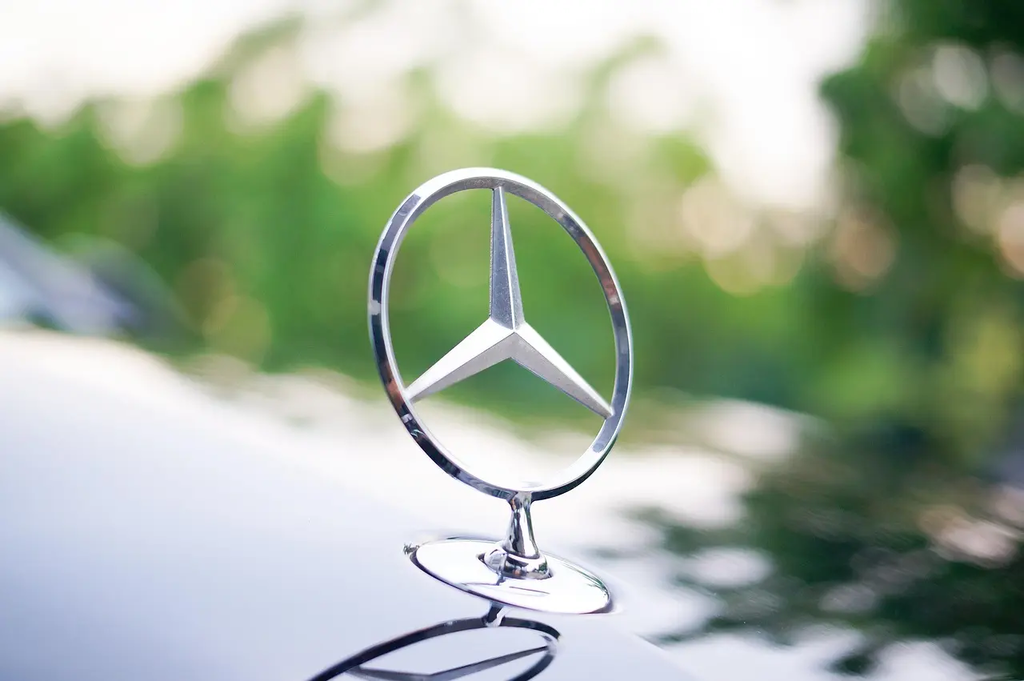
Mercedes-Benz: three-pointed star for motorization on land, sea, and air. BMW: roundel reflecting Bavarian origins. Audi: four rings for the Auto Union brands. Ferrari: prancing horse signaling speed and performance.