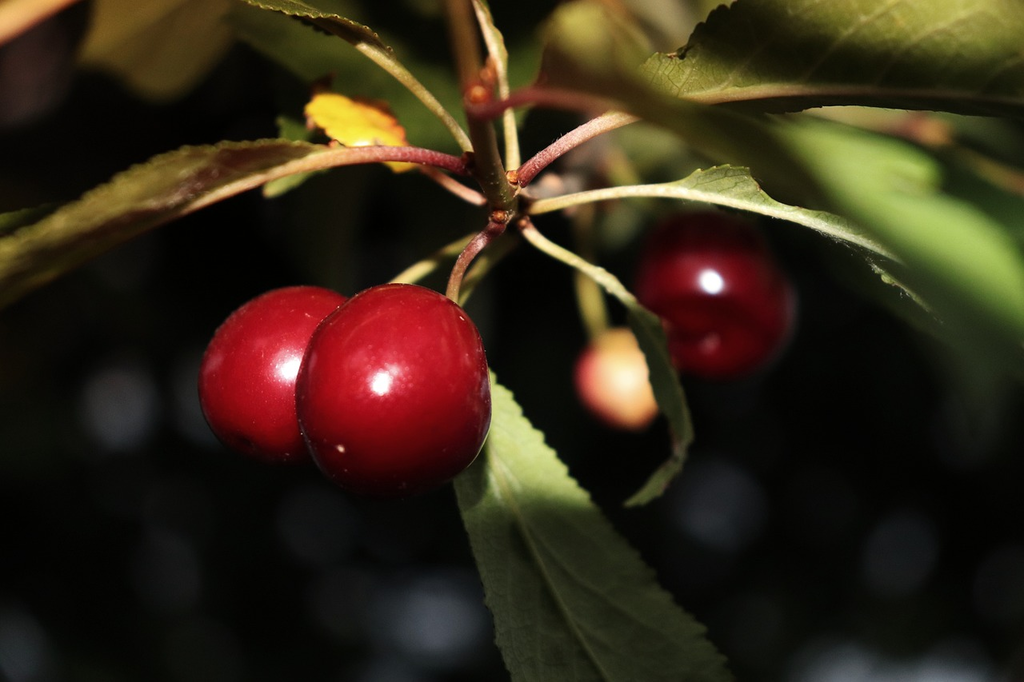
The history of cherry cultivation dates back thousands of years, with origins in regions around the Black and Caspian Seas. Cherries were prized by ancient Greeks, Romans, and Chinese for their sweet flavor and medicinal properties. Over centuries, cultivation techniques spread across Europe and into the Americas. Today, cherries are grown globally, with modern methods enhancing fruit quality and yield. Alongside oranges, cherries remain a popular and nutritious fresh fruit choice.
History of Cherry Cultivation
The history of cherry cultivation dates back thousands of years, with origins in regions around the Black and Caspian Seas. Cherries were prized by ancient Greeks, Romans, and Chinese for their sweet flavor and medicinal properties. Over centuries, cultivation techniques spread across Europe and into the Americas. Today, cherries are grown globally, with modern methods enhancing fruit quality and yield. Alongside oranges, cherries remain a popular and nutritious fresh fruit choice.
💡 Key Takeaways
- Trace the origins of cherry cultivation and how it spread across ancient civilizations.
- Explain the difference between sweet cherries (Prunus avium) and sour cherries (Prunus cerasus) and their historical uses.
- Identify key milestones in cherry cultivation, including domestication, breeding, and geographic expansion to Europe and the Americas.
- Recognize the cultural significance and economic impact of cherries in different historical periods.
❓ Frequently Asked Questions
Where did cherry cultivation begin?
Cherry domestication began in the region around the Black Sea and Caucasus (Asia Minor). The sweet cherry (Prunus avium) and sour cherry (Prunus cerasus) were cultivated there in ancient times, with Greeks and Romans helping spread it.
What are the two main cultivated cherry species and how do they differ?
Prunus avium (sweet cherry) and Prunus cerasus (sour cherry). Sweet cherries are larger and eaten fresh; sour cherries are smaller and tart, often used in baking and preserves.
How did cherries spread beyond their origin?
Romans introduced cherries across Europe, and later trade, exploration, and colonization carried them to other regions. By the early modern period, cherries were established in many areas, including the Americas.
What modern practices boosted cherry farming?
Grafting onto rootstocks, careful variety selection, and improved orchard management (pruning, irrigation, pest control) increased yields; high-density plantings and dwarf rootstocks enabled larger, more productive orchards.