Mardi Gras, meaning "Fat Tuesday" in French, has origins in ancient Roman and medieval European festivals celebrating spring and fertility. It was brought to North America by French settlers in the 17th century, notably in New Orleans, Louisiana. Over time, Mardi Gras evolved into a vibrant celebration marked by parades, masked balls, music, and elaborate costumes, reflecting French, African, and Creole influences. Today, it symbolizes revelry before the Christian season of Lent.
History of Mardi Gras
Mardi Gras, meaning "Fat Tuesday" in French, has origins in ancient Roman and medieval European festivals celebrating spring and fertility. It was brought to North America by French settlers in the 17th century, notably in New Orleans, Louisiana. Over time, Mardi Gras evolved into a vibrant celebration marked by parades, masked balls, music, and elaborate costumes, reflecting French, African, and Creole influences. Today, it symbolizes revelry before the Christian season of Lent.
💡 Key Takeaways
- Understand the historical origins of Mardi Gras and its roots in European pre-Lenten celebrations and Catholic tradition.
- Learn how Mardi Gras evolved and spread from Europe to the Americas, shaping different regional customs.
- Identify core Mardi Gras traditions such as parades, floats, krewes, masking, beads, and throws.
- Explore how New Orleans became a global symbol of Mardi Gras and how its celebrations reflect diverse cultural influences (Creole, African American, and Caribbean communities).
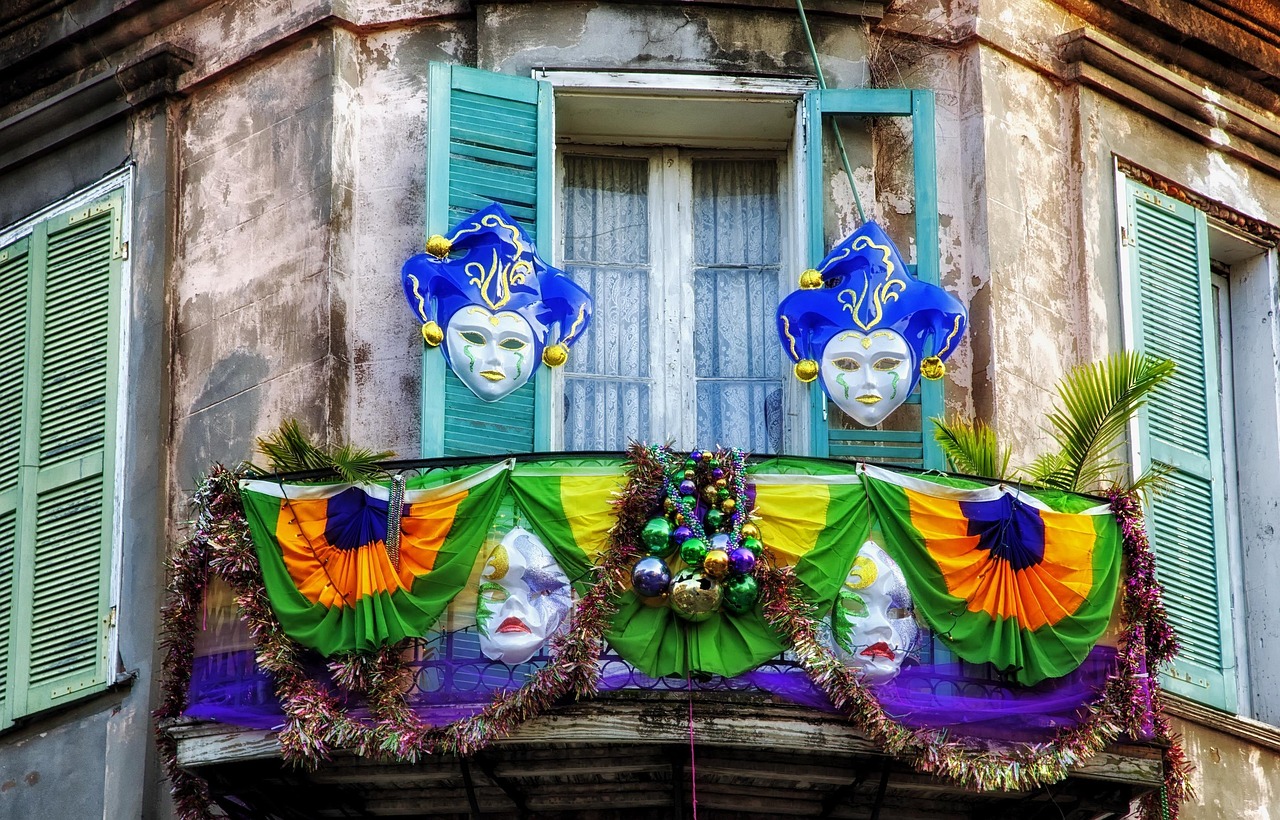
- Recognize the symbolism of Fat Tuesday and the significance of the colors purple, green, and gold.
❓ Frequently Asked Questions
What is Mardi Gras?
Mardi Gras (Fat Tuesday) is the final day of the Carnival season, traditionally celebrated with feasting, masks, and parades before the start of Lent.
Where did Mardi Gras originate?
Mardi Gras began in medieval Europe as part of Carnival and was carried to the Americas by French and other settlers, most famously becoming a major festival in New Orleans.
What do the colors purple, green, and gold represent?
The colors symbolize justice (purple), faith (green), and power (gold) and are commonly used in Mardi Gras attire and decorations.
How is Mardi Gras typically celebrated in New Orleans?
Celebrations include Krewe parades with elaborate floats, bead-throwing, masked balls, and King Cake during the Carnival season leading up to Fat Tuesday.
When does Mardi Gras happen?
Mardi Gras falls on Fat Tuesday, the day before Ash Wednesday, so the date changes each year and can occur in February or March.