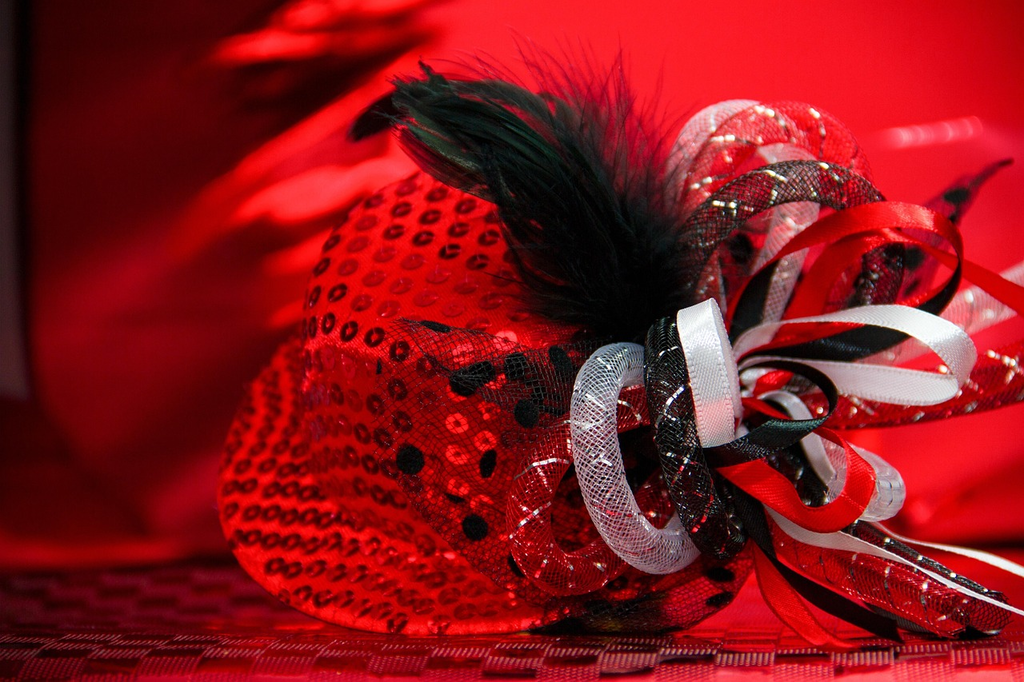
The history of prom, short for "promenade," dates back to the late 19th century in the United States, originating as a formal banquet for college students to celebrate the end of the academic year. Over time, it became a high school tradition, symbolizing a rite of passage for teenagers. By the mid-20th century, prom evolved into a glamorous social event featuring formal attire, dancing, and the crowning of prom royalty, reflecting changing youth culture and social norms.
History of Prom
The history of prom, short for "promenade," dates back to the late 19th century in the United States, originating as a formal banquet for college students to celebrate the end of the academic year. Over time, it became a high school tradition, symbolizing a rite of passage for teenagers. By the mid-20th century, prom evolved into a glamorous social event featuring formal attire, dancing, and the crowning of prom royalty, reflecting changing youth culture and social norms.

💡 Key Takeaways
- Trace the origins of prom and how it started as a school dance tradition.
- Learn how prom evolved into a major cultural event in the 20th century.
- Identify common prom traditions (music, fashion, photos, corsages) and typical activities.
- Explore modern trends and debates around prom, including promposals, inclusivity, and safety.
❓ Frequently Asked Questions
What is prom?
A formal student dance held at many high schools (and some colleges) to celebrate the end of the school year, typically featuring formal attire, music, dancing, and sometimes a prom court.
Where did the term 'prom' come from and how did prom begin?
Prom is short for promenade, a formal procession or introduction. Modern high school proms grew out of earlier college and social dances in the 19th–20th centuries and became popular in the United States by mid-century.
How has prom tradition evolved over time?
Prom styles shifted from formal, etiquette-focused events with strict dress and behavior to more diverse formats, fashion choices, and inclusive practices, while keeping dances, photos, and prom courts as common elements.
What are common prom traditions and etiquette?
Traditions include buying tickets, wearing formal attire, giving corsages or boutonnieres, taking photos, attending with a date or friends, and sometimes electing a prom court; etiquette emphasizes punctuality, respectful conduct, and adherence to school rules.