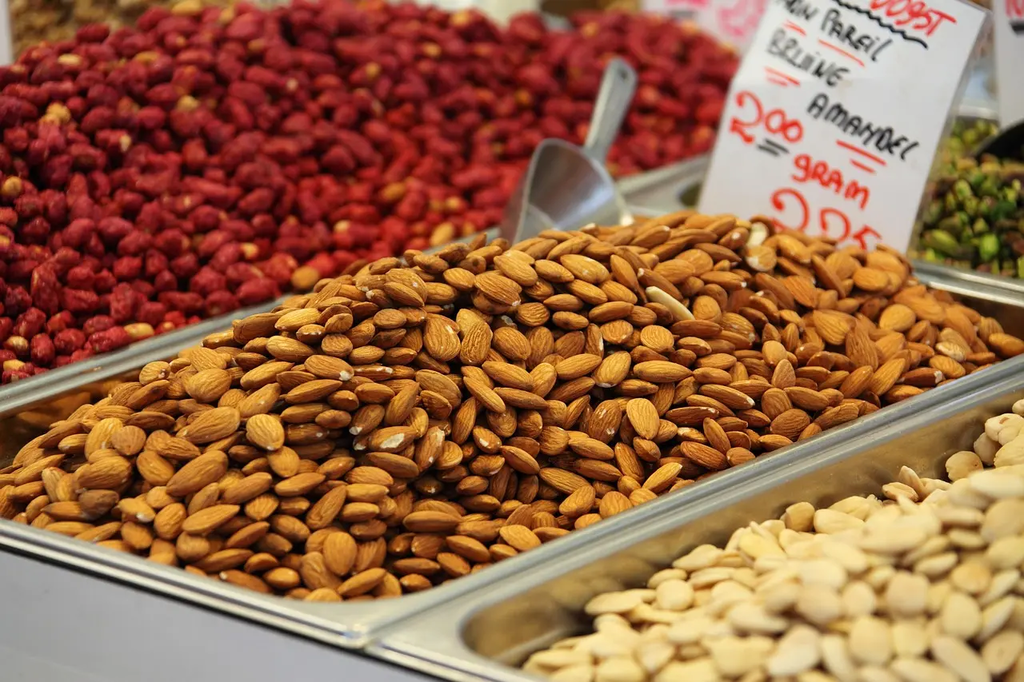
The history of spices traces back thousands of years, playing a crucial role in global trade, cuisine, and cultural exchange. Spices like pepper, cinnamon, and cloves were prized commodities, often worth more than gold. Their pursuit led to the discovery of new lands and the establishment of trade routes. In food and snacks, spices have transformed flavors, preserved ingredients, and enriched culinary traditions worldwide, making them essential to both ancient and modern gastronomy.
History of Spices
The history of spices traces back thousands of years, playing a crucial role in global trade, cuisine, and cultural exchange. Spices like pepper, cinnamon, and cloves were prized commodities, often worth more than gold. Their pursuit led to the discovery of new lands and the establishment of trade routes. In food and snacks, spices have transformed flavors, preserved ingredients, and enriched culinary traditions worldwide, making them essential to both ancient and modern gastronomy.
💡 Key Takeaways
- Trace where key spices originated and how they spread globally.
- See how the spice trade shaped economies, exploration, and cross-cultural exchange.
- Name iconic spices and their traditional culinary and medicinal uses.
- Learn how colonialism, shipping routes, and modern farming affect today's spice availability and prices.
❓ Frequently Asked Questions
What defines a spice and how does it differ from an herb?
Spices come from non-leafy parts of plants (bark, seeds, roots, fruits); herbs are typically leaves. Spices are usually dried and have stronger, longer-lasting flavors.
Where did spices originate and how did ancient trade operate?
Many spices originated in Asia and the Indonesian Spice Islands. Ancient trade routes like the Silk Road and Indian Ocean networks carried spices to Europe, the Middle East, and Africa.
Why were spices so valuable in history?
Spices added flavor, helped preserve food, were believed to have medicinal properties, and were scarce and expensive, making them powerful commodities and status symbols.
How did the spice trade influence global exploration and exchange?
Demand for direct access to spice sources drove sea exploration, opened new trade routes, and connected continents, shaping maps, colonization, and the global exchange of goods and ideas.