The history of the Olympic Games traces back to ancient Greece, where athletes competed in honor of the gods. Revived in 1896, the modern Olympics became a global event celebrating athletic excellence and unity. Over time, legendary sports figures have emerged, breaking records and inspiring millions. The Games have evolved to include diverse sports and participants from around the world, symbolizing peace, perseverance, and the pursuit of greatness in the realm of sports legends.
History of the Olympic Games
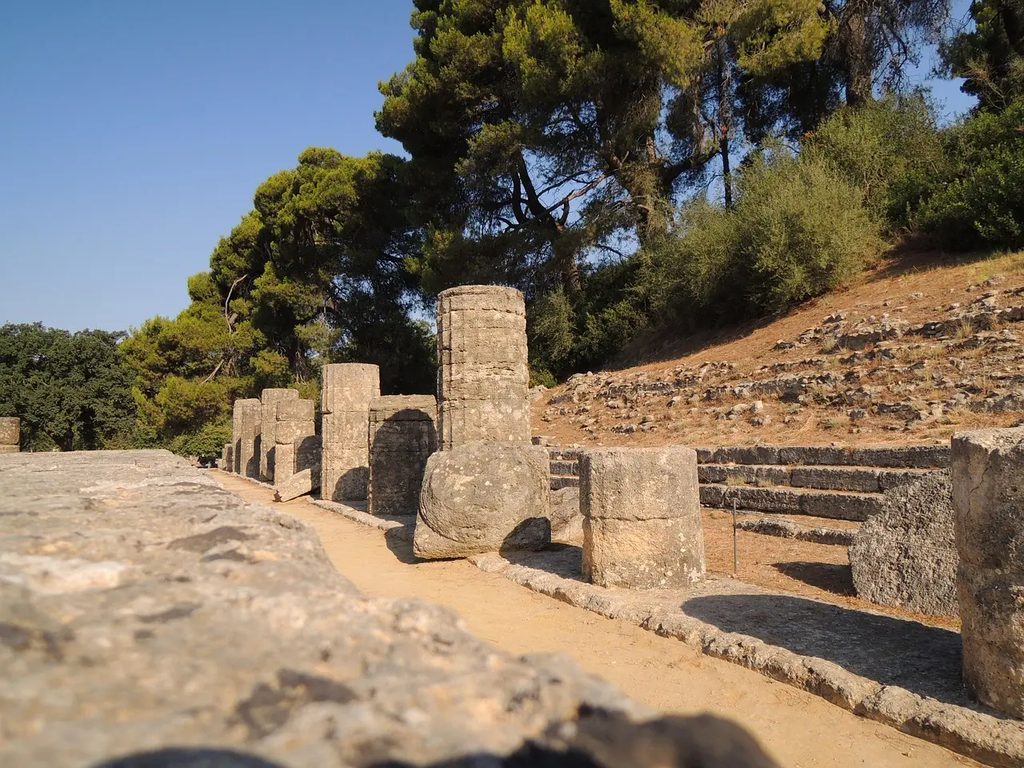
The history of the Olympic Games traces back to ancient Greece, where athletes competed in honor of the gods. Revived in 1896, the modern Olympics became a global event celebrating athletic excellence and unity. Over time, legendary sports figures have emerged, breaking records and inspiring millions. The Games have evolved to include diverse sports and participants from around the world, symbolizing peace, perseverance, and the pursuit of greatness in the realm of sports legends.
💡 Key Takeaways
- Origins of the ancient Olympic Games and their cultural significance
- The revival of the Olympics in 1896 and the IOC's founding
- Evolution: Summer and Winter Games, new sports, and global participation
- The Olympics' impact on diplomacy, culture, and sport ethics
❓ Frequently Asked Questions
When and where did the ancient Olympic Games begin, and how long did they continue?
They began in Olympia, Greece, around 776 BCE and were held every four years for about 12 centuries until 393 CE when Emperor Theodosius I banned them.
Who revived the Olympic Games in the modern era, and when did the first modern Games take place?
Baron Pierre de Coubertin led the revival; the first modern Olympic Games were held in Athens in 1896.
What is the Olympic motto and what does it mean?
Citius, Altius, Fortius — Faster, Higher, Stronger.
How are the Summer and Winter Olympics scheduled in recent years?
Since 1994, they have been held in separate four-year cycles, alternating so that Winter and Summer Games occur in different years.
What is the Olympic flame and how did the torch relay start?
The flame is lit in Olympia and carried to the host city; the modern torch relay began with the 1928 Amsterdam Games to symbolize the connection to the ancient Games.