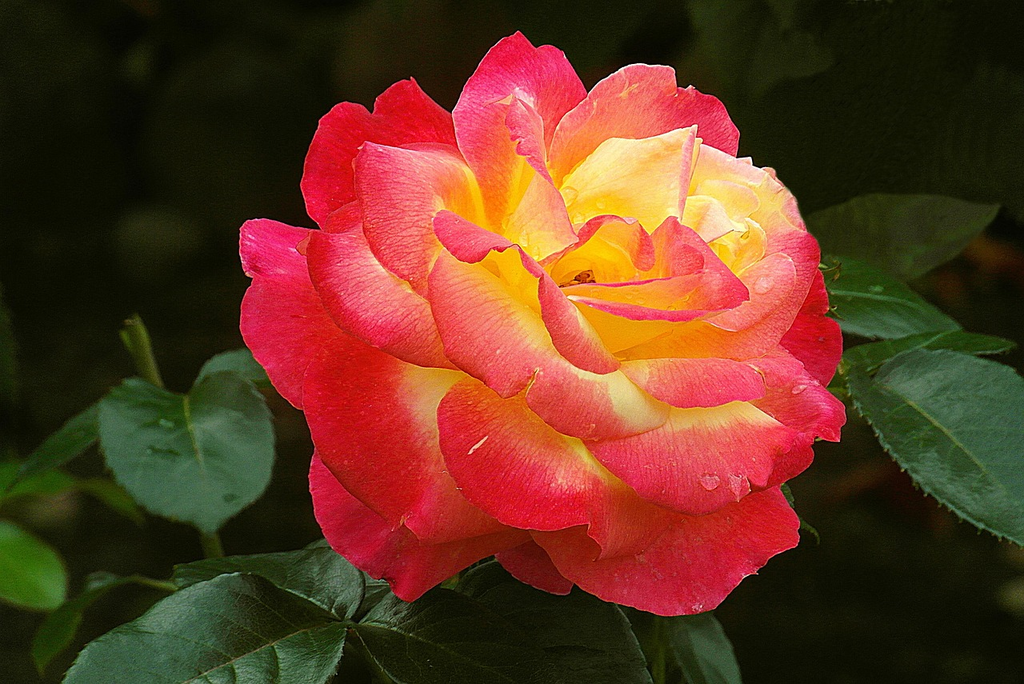
Valentine's Day, celebrated on February 14th, traces its origins to both Christian and ancient Roman traditions. It is named after Saint Valentine, a Christian martyr who, according to legend, secretly performed marriages for soldiers. Over time, the day evolved from a religious observance to a celebration of romantic love, especially during the Middle Ages. Today, it is marked worldwide by exchanging cards, flowers, and gifts as expressions of affection.
History of Valentine's Day+50
Valentine's Day, celebrated on February 14th, traces its origins to both Christian and ancient Roman traditions. It is named after Saint Valentine, a Christian martyr who, according to legend, secretly performed marriages for soldiers. Over time, the day evolved from a religious observance to a celebration of romantic love, especially during the Middle Ages. Today, it is marked worldwide by exchanging cards, flowers, and gifts as expressions of affection.

💡 Key Takeaways
- Understand the ancient origins of Valentine's Day, including links to the Roman festival Lupercalia and early February rituals.
- Learn how the legends of Saint Valentine contributed to the holiday's romantic associations.
- Explore how Valentine’s Day evolved through medieval and Victorian times, from courtly love to mass-produced cards.
- Recognize modern celebrations and global variations, including commercialization and different cultural customs.
❓ Frequently Asked Questions
What is Valentine's Day and what does it commemorate?
A day now celebrated as a celebration of love and affection, traditionally linked to Saint Valentine; its roots mix Christian martyrdom with ancient Roman rites and legends about love.
Who was Saint Valentine?
There were several early Christians named Valentine; the best-known story is a priest who secretly married couples in Rome and was executed on February 14 around AD 269, later becoming the day’s feast.
How did Valentine's Day become associated with romantic love?
In medieval Europe, poets and writers linked the day to romantic courtship, and by the 18th–19th centuries, exchanging notes and cards popularized the focus on romance.
How is Valentine's Day celebrated today?
People commonly give cards, flowers, chocolates, and gifts to partners or friends; customs vary by country, with some places emphasizing platonic affection or different regional traditions.