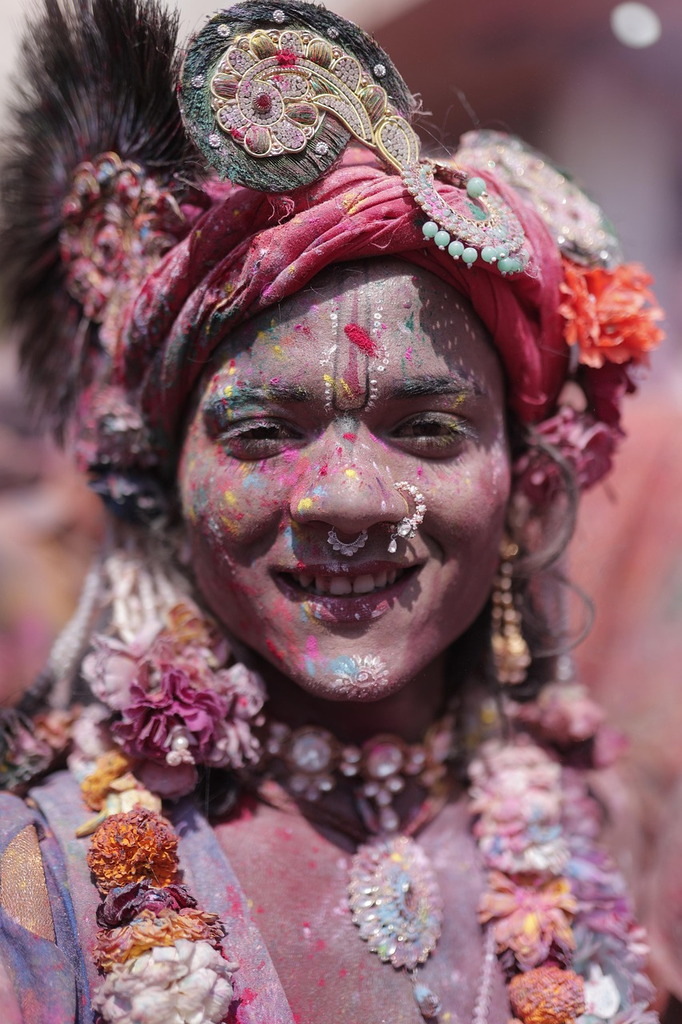
Holi, known as the Festival of Colors, is a vibrant spring holiday celebrated across India, symbolizing the victory of good over evil and the arrival of spring. Rooted in Hindu mythology, Holi fosters social unity as people of all ages and backgrounds joyfully throw colored powders, dance, and share festive foods. This exuberant festival reflects the inclusivity, warmth, and communal spirit central to Indian culture and its springtime celebrations.
Holi and Indian Culture
Holi, known as the Festival of Colors, is a vibrant spring holiday celebrated across India, symbolizing the victory of good over evil and the arrival of spring. Rooted in Hindu mythology, Holi fosters social unity as people of all ages and backgrounds joyfully throw colored powders, dance, and share festive foods. This exuberant festival reflects the inclusivity, warmth, and communal spirit central to Indian culture and its springtime celebrations.
💡 Key Takeaways
- Understand the significance of Holi in Indian culture and its themes of renewal and unity.
- Identify common Holi rituals and symbols, such as colored powders, water throwing, and bonfires.
- Learn about regional variations and historical origins, including Holika Dahan and Krishna–Radha stories.
- Explore how Holi reflects values like forgiveness, community bonding, and the celebration of harvest and spring.
- Gain practical and respectful guidelines for celebrating Holi safely and inclusively with others.
❓ Frequently Asked Questions
What is Holi?
Holi is a Hindu spring festival known as the Festival of Colors, celebrated with colored powders and water, music, and festive foods to mark the victory of good over evil and the arrival of spring.
When is Holi celebrated and how is the date determined?
Holi falls in March on the full moon day of the Hindu month Phalguna; dates vary each year according to the Hindu lunar calendar.
What are common Holi traditions and practices?
People play with colored powders (gulal) and water, greet friends with colors, sing and dance, share sweets like gujiya, and observe Holika Dahan the night before.
Why is Holi culturally important in India?
Holi celebrates renewal and spring, promotes community and forgiveness, and reflects regional diversity through colors, songs, and customs.
Are there safety or inclusivity tips for Holi celebrations?
Use safe, natural colors and protect skin and eyes; avoid harmful chemicals, respect others' participation, and be mindful of pets and sensitive individuals.