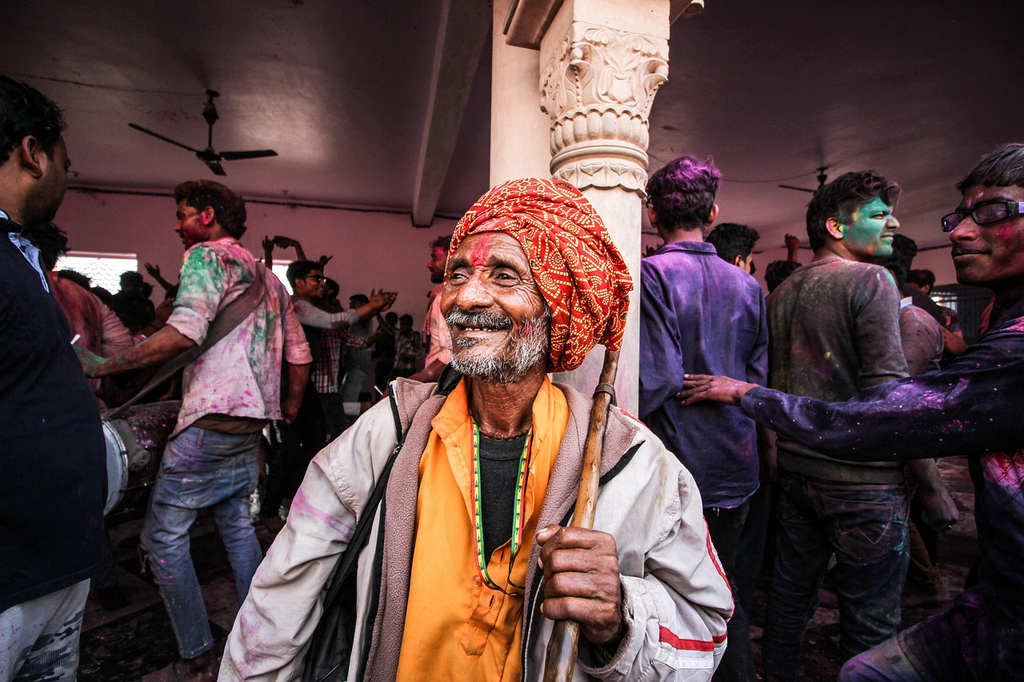
Holi Festival, also known as the Festival of Colors, is a vibrant Hindu celebration marking the arrival of spring. It is characterized by joyful gatherings where people throw colored powders and water at each other, dance, sing, and enjoy festive foods. Holi symbolizes the victory of good over evil, the end of winter, and the blossoming of love. The festival fosters unity, forgiveness, and renewal of relationships among family, friends, and communities.
Holi Festival
Holi Festival, also known as the Festival of Colors, is a vibrant Hindu celebration marking the arrival of spring. It is characterized by joyful gatherings where people throw colored powders and water at each other, dance, sing, and enjoy festive foods. Holi symbolizes the victory of good over evil, the end of winter, and the blossoming of love. The festival fosters unity, forgiveness, and renewal of relationships among family, friends, and communities.
💡 Key Takeaways
- Understand the cultural and religious significance of Holi and its link to the arrival of spring.
- Learn common Holi traditions: color throwing, water play, and festive foods like gujiya.
- Explore regional variations and how Holi dates are set by the Hindu lunar calendar, including Holika Dahan.
- Practice safe, eco-friendly Holi: use natural colors, protect skin and eyes, and observe fire safety around Holika Dahan.
❓ Frequently Asked Questions
What is Holi festival?
Holi is a vibrant Hindu festival celebrating spring, love, and the victory of good over evil, known for color throwing, water play, music, and festive foods.
When is Holi celebrated and how is the date determined?
Holi is observed on the Hindu lunar calendar, typically in March, on the day after the Phalguna full moon (Phalguna Purnima); the date changes each year.
What are common Holi traditions?
Traditions include Holika Dahan (bonfire) the night before, playing with colored powders (gulal), water games, singing bhajans, dancing, and sharing sweets like gujiya.
How can you stay safe while enjoying Holi?
Use safe, non-toxic colors; apply oil or moisturizer to skin; wear protective clothing and eyewear; avoid ingesting colors; stay hydrated and supervise children.