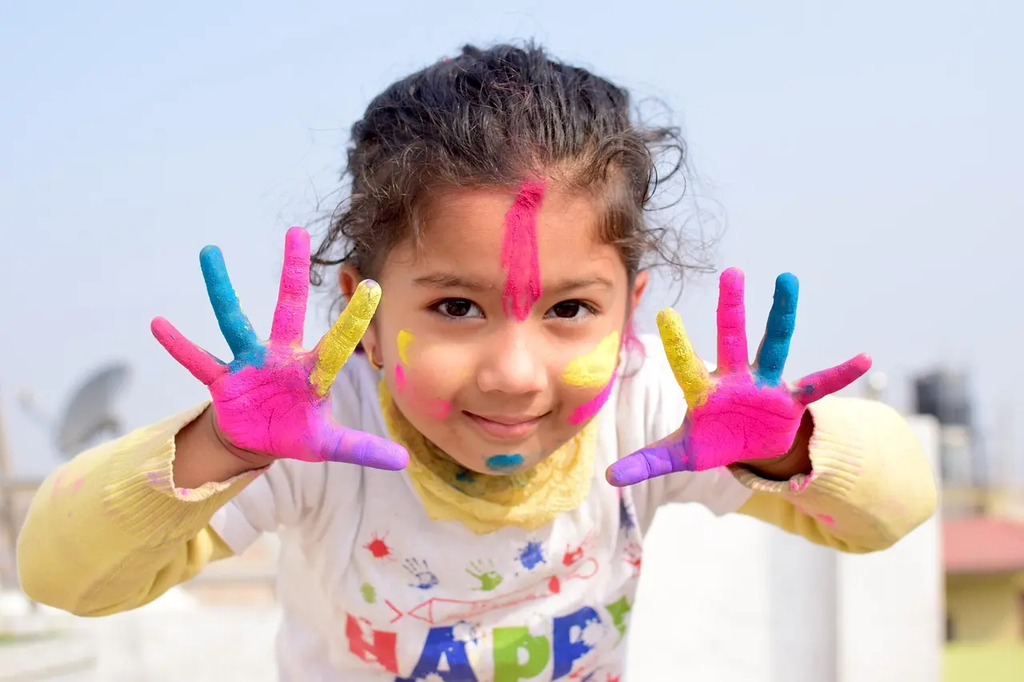
Holi is a vibrant Hindu festival celebrated primarily in India, marking the arrival of spring. Known as the “festival of colors,” it involves people joyfully throwing colored powders and water at each other. The festival signifies the victory of good over evil and promotes unity, friendship, and forgiveness. Traditional songs, dances, festive foods, and bonfires are also integral parts of the celebration, making Holi a lively and joyous occasion for all ages.
Holi
Holi is a vibrant Hindu festival celebrated primarily in India, marking the arrival of spring. Known as the “festival of colors,” it involves people joyfully throwing colored powders and water at each other. The festival signifies the victory of good over evil and promotes unity, friendship, and forgiveness. Traditional songs, dances, festive foods, and bonfires are also integral parts of the celebration, making Holi a lively and joyous occasion for all ages.
💡 Key Takeaways
- Understand Holi’s significance as the arrival of spring and the victory of good over evil in Hindu tradition.
- Learn how Holi is celebrated, including colors, water play, music, and festive foods.
- Recognize the social values of Holi, such as unity, friendship, and forgiveness across communities.
- Know safety and respectful practices for Holi, including using non-toxic colors and honoring regional customs.
❓ Frequently Asked Questions
What is Holi?
Holi is a Hindu festival known as the festival of colors that marks spring. People throw colored powders and water, share sweets, and celebrate together, symbolizing the victory of good over evil and unity.
When is Holi celebrated and what rituals are involved?
Holi falls on the full moon day in the Hindu month of Phalguna (usually Feb–Mar). The eve features Holika Dahan (a bonfire) and the daytime is spent playing with colors, water, music, and festive foods.
What are the main customs of Holi?
Color play with gulal and water, bonfires (Holika Dahan), singing and dancing, and sharing snacks like gujiya and thandai.
What is the significance of Holi?
It celebrates the arrival of spring, the victory of good over evil, and promotes unity, friendship, and forgiveness.
How can you celebrate Holi safely and inclusively?
Use non-toxic or natural colors, protect eyes and skin, wear old clothes, stay hydrated, and be considerate of others and animals.