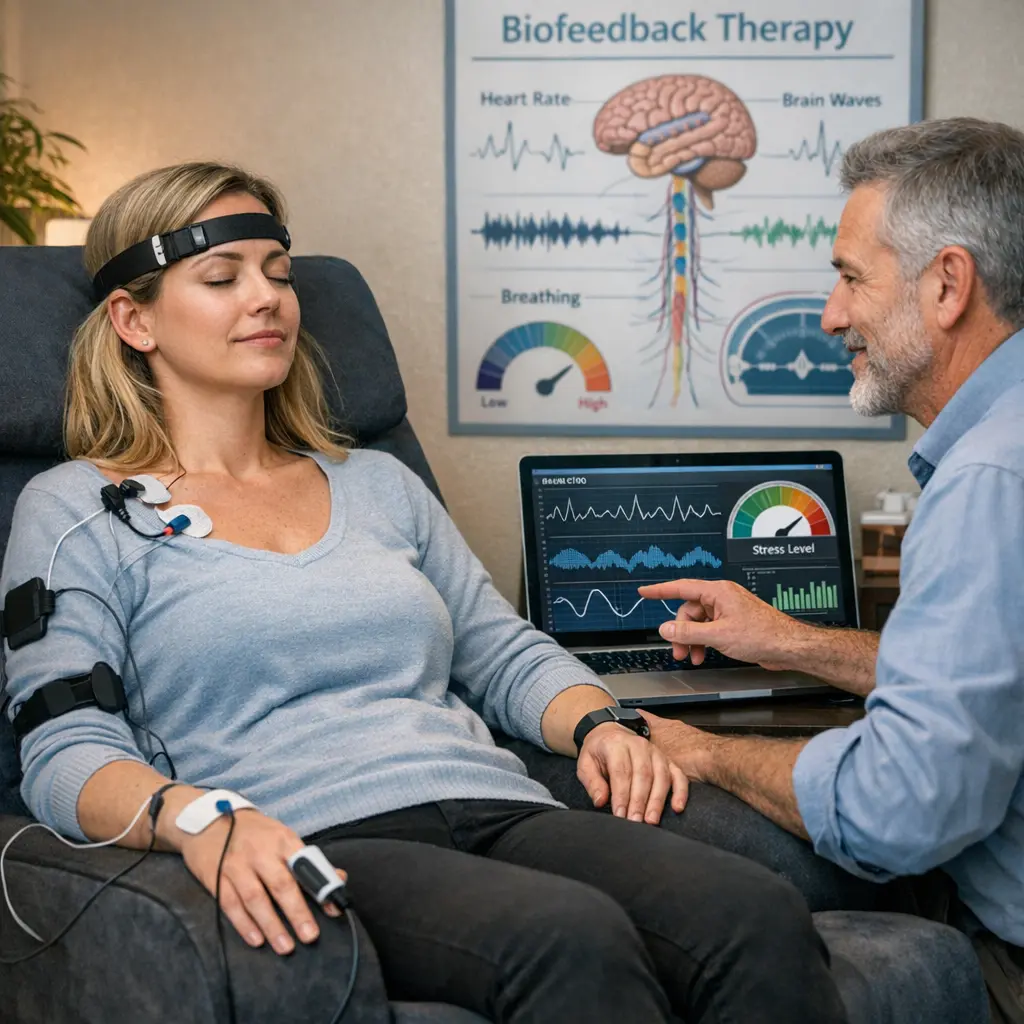
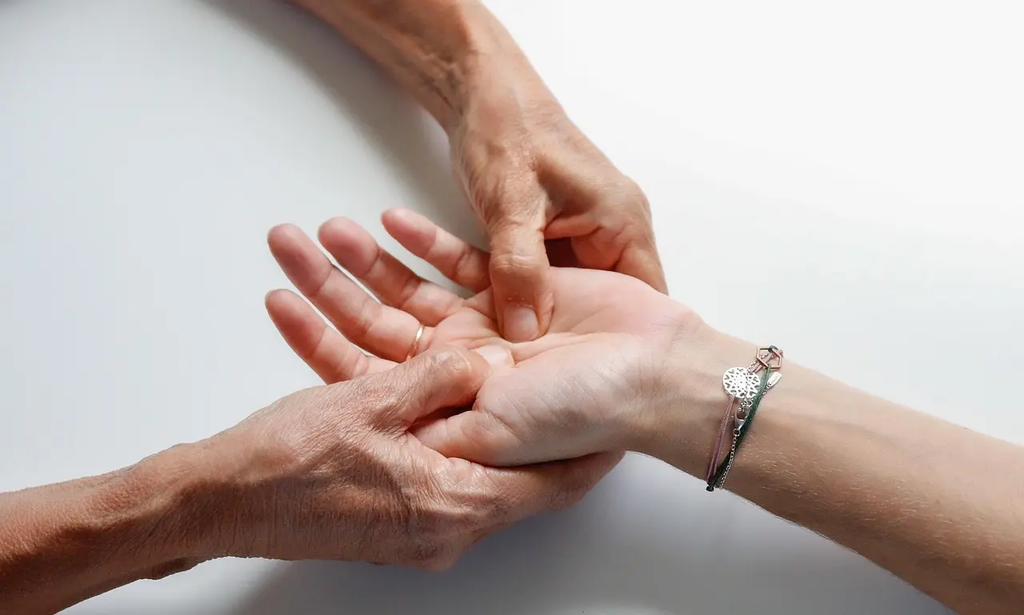
Holistic healing practices refer to approaches that address the whole person—body, mind, spirit, and emotions—to promote optimal health and wellness. These practices often combine traditional medical treatments with alternative therapies such as meditation, acupuncture, yoga, herbal remedies, and energy work. The goal is to achieve balance and harmony within all aspects of an individual’s life, emphasizing prevention, self-care, and the interconnectedness of physical and emotional well-being.
Holistic Healing Practices
Holistic healing practices refer to approaches that address the whole person—body, mind, spirit, and emotions—to promote optimal health and wellness. These practices often combine traditional medical treatments with alternative therapies such as meditation, acupuncture, yoga, herbal remedies, and energy work. The goal is to achieve balance and harmony within all aspects of an individual’s life, emphasizing prevention, self-care, and the interconnectedness of physical and emotional well-being.

💡 Key Takeaways
- Understand the core idea of holistic healing: treating the whole person—body, mind, and spirit—rather than just symptoms.
- Identify common holistic modalities (mindfulness, meditation, yoga, nutrition, sleep, herbal remedies) and how they support well-being.
- Learn how lifestyle factors such as stress, sleep, exercise, and nutrition interact to influence health.
- Recognize safety considerations and when to consult healthcare professionals for holistic therapies.
❓ Frequently Asked Questions
What is holistic healing?
Holistic healing treats the whole person—body, mind, emotions, and spirit—aiming to support the body's natural balance and healing, not just address individual symptoms.
What are common holistic healing practices?
Mindfulness or meditation, yoga or gentle movement, balanced nutrition, adequate sleep, breathwork, acupuncture, massage, herbal remedies, and energy‑based therapies or aromatherapy.
How strong is the evidence for holistic practices?
Evidence varies: mindfulness and yoga have solid support for stress and well‑being, while other methods have mixed or limited evidence. Use them as complements to medical care and consult professionals.
How can I start safely?
Begin with 1–2 practices you enjoy, learn from reputable sources, inform your healthcare provider, and monitor how you feel to avoid potential risks or interactions.