Home IoT devices are internet-connected gadgets used in residential settings to automate, monitor, and enhance daily life. Examples include smart thermostats, security cameras, smart lights, and voice assistants. These devices collect and share data, allowing users to control them remotely via smartphones or computers. They improve convenience, energy efficiency, and security, but also raise concerns about privacy and data security due to their constant connectivity and data exchange.
Home IoT Devices
Home IoT devices are internet-connected gadgets used in residential settings to automate, monitor, and enhance daily life. Examples include smart thermostats, security cameras, smart lights, and voice assistants. These devices collect and share data, allowing users to control them remotely via smartphones or computers. They improve convenience, energy efficiency, and security, but also raise concerns about privacy and data security due to their constant connectivity and data exchange.
💡 Key Takeaways
- Identify common home IoT devices and their primary uses (thermostats, cameras, smart lights, voice assistants).
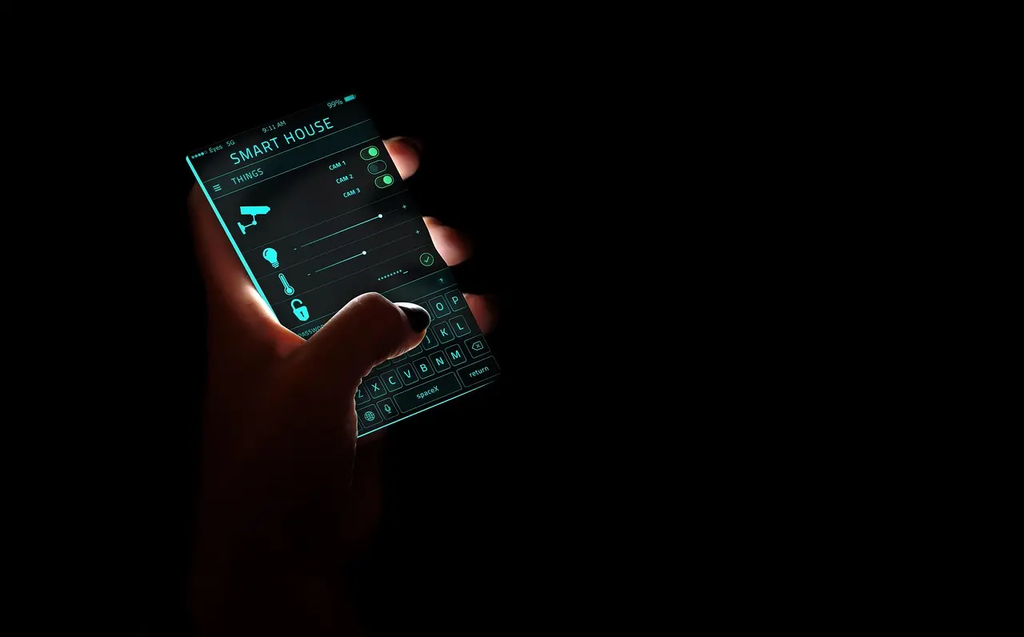
- Explain how these devices connect to the internet and are controlled via apps and cloud services.
- Understand data privacy and security considerations for home IoT, including what data is collected and basic protection tips.
- Describe how automation and routines enhance daily life, energy efficiency, and remote control.
❓ Frequently Asked Questions
What is a home IoT device?
A connected gadget in your home that communicates over the internet to automate tasks, monitor conditions, and be controlled remotely via apps or voice assistants.
What data do home IoT devices typically collect and share?
They may collect usage details, sensor readings (temperature, motion, cameras), and voice data to function and improve services; some data may be sent to cloud services.
How can I control home IoT devices remotely?
Through companion apps on your phone/tablet, a smart speaker or hub, or a web portal—often from anywhere with internet access.
How can I improve security and privacy for my home IoT setup?
Use strong, unique passwords; enable two-factor authentication if available; keep firmware updated; change default credentials; consider a separate network for IoT devices; review app permissions and disable unused features.