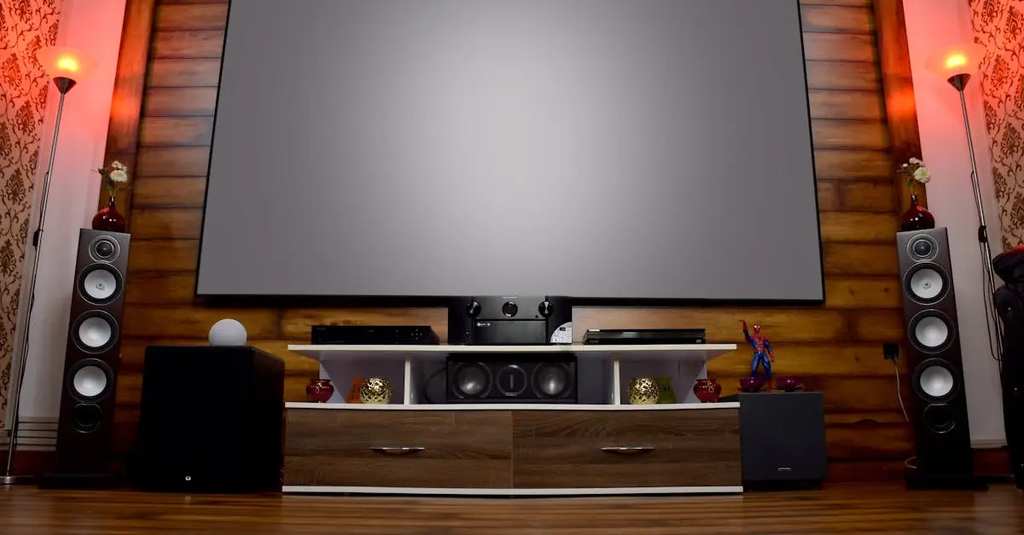
Home theater design involves selecting and arranging TVs or projectors and sound systems to create an immersive viewing experience. The choice between a large-screen TV or a projector depends on room size, lighting, and personal preference. Sound is enhanced with surround speakers or soundbars, ensuring audio clarity and depth. Proper placement of equipment and seating maximizes comfort, visual quality, and acoustic performance, transforming a room into a private cinema.
Home Theater Design: TVs, Projectors, Sound
Home theater design involves selecting and arranging TVs or projectors and sound systems to create an immersive viewing experience. The choice between a large-screen TV or a projector depends on room size, lighting, and personal preference. Sound is enhanced with surround speakers or soundbars, ensuring audio clarity and depth. Proper placement of equipment and seating maximizes comfort, visual quality, and acoustic performance, transforming a room into a private cinema.
💡 Key Takeaways
- Choose between a large TV or projector by considering room size, lighting, and viewing preferences.
- Understand display specs (size, resolution, brightness, contrast) and seating distance for immersive viewing.
- Compare sound setups (soundbars vs surround speakers) and placement for optimal audio.
- Plan room acoustics and lighting to maximize picture and sound quality.
❓ Frequently Asked Questions
How do I choose between a large-screen TV and a projector for a home theater?
Consider room size, seating distance, ambient light, and budget. TVs work well in brighter rooms and closer viewing, while projectors provide a larger image in darker rooms but need space and light control.
What is throw distance and why does it matter for projectors?
Throw distance is the space between the projector and the screen. It, along with the projector's throw ratio, determines the possible image size and whether you need a short-throw or standard-throw model.
What image quality factors should I look for in TVs or projectors?
Prioritize brightness, contrast, and color accuracy, plus HDR support. Also consider display technology (OLED/LCD for TVs; LED/LCD/LCoS for projectors) and practical room lighting.
Should I use a soundbar or a full surround speaker system?
Soundbars are compact and easy to set up, great for smaller rooms. Surround systems offer richer, more immersive audio but require more space and wiring. Plan placement and room acoustics for the best result.
How can I optimize room lighting and seating for a better viewing experience?
Use dimmable lighting and blackout curtains to reduce glare. Position the screen at eye level and seat viewers about 1.5–2.5 times the screen height away. Calibrate color and brightness for comfort.