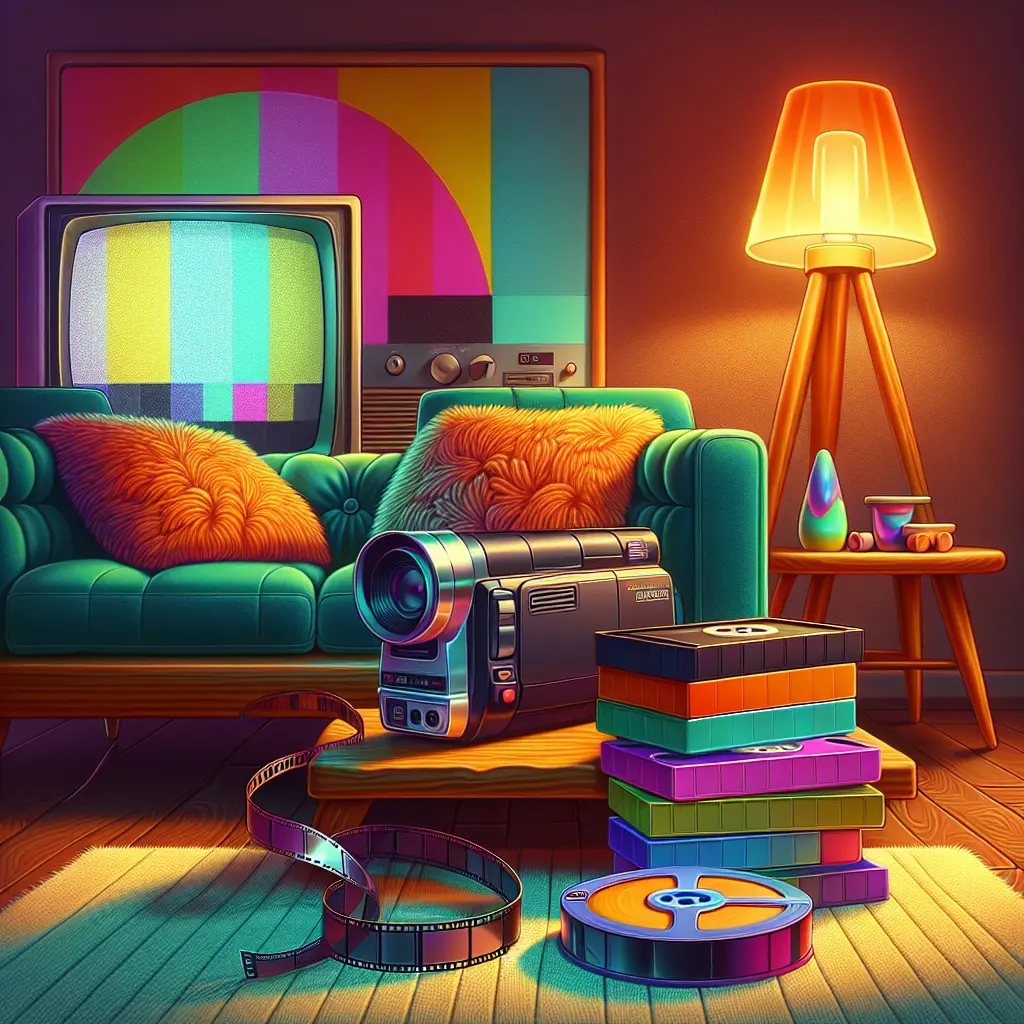
Home video camcorders and tapes refer to portable recording devices and their associated magnetic tape media, widely used from the 1980s to early 2000s for capturing personal videos. Camcorders allowed families and hobbyists to record events, vacations, and milestones, storing footage on VHS, Hi8, MiniDV, or similar tapes. These tapes could be played back on compatible devices, making home video recording and sharing accessible before digital technology became mainstream.
Home Video Camcorders & Tapes
Home video camcorders and tapes refer to portable recording devices and their associated magnetic tape media, widely used from the 1980s to early 2000s for capturing personal videos. Camcorders allowed families and hobbyists to record events, vacations, and milestones, storing footage on VHS, Hi8, MiniDV, or similar tapes. These tapes could be played back on compatible devices, making home video recording and sharing accessible before digital technology became mainstream.
💡 Key Takeaways
- Trace the evolution of home video camcorders from VHS and VHS-C to Hi8 and early digital formats.
- Explain how magnetic tape stores video and audio, and how format differences affected quality, length, and durability.
- Compare main formats (VHS/VHS-C, Hi8, MiniDV) in terms of ease of use, recording quality, and playback reliability.
- Learn practical tips for preserving and digitizing old tapes to protect family memories.
❓ Frequently Asked Questions
What is a camcorder and how does it differ from a standard video camera?
A camcorder combines a camera and a recording unit in one portable device, allowing you to shoot and store footage on built-in media. Early consumer models used analog tapes (VHS, VHS-C, Hi8); later models moved to digital tape formats.
Which tape formats were common for home video in the 1980s–2000s?
Common formats included VHS and VHS-C for larger and smaller cassettes, Hi8 for compact analog camcorders, and later digital formats like MiniDV or Digital8.
What kinds of memories were people capturing with home camcorders?
Family events, vacations, birthdays, school performances, and everyday milestones.
How can you preserve and enjoy old camcorder tapes today?
Store tapes in a cool, dry place away from heat and direct sunlight; label them with dates; and transfer to digital formats (DVD, hard drive, or cloud) to prevent deterioration.