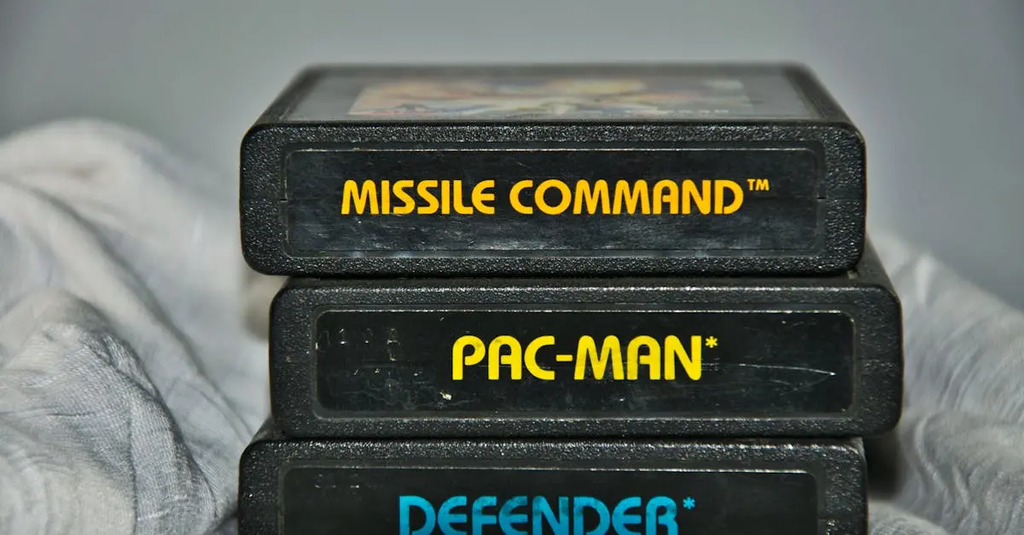
Homebrew publishing and physical releases refer to the independent creation and distribution of games, books, or media outside traditional commercial channels. Enthusiasts or small creators develop original or fan-made content, often for niche audiences, and produce tangible copies such as printed books, cartridges, or discs. This grassroots approach fosters creativity, community engagement, and preservation of unique works, offering alternatives to mainstream media and allowing creators to maintain control over their projects.
Homebrew Publishing & Physical Releases
Homebrew publishing and physical releases refer to the independent creation and distribution of games, books, or media outside traditional commercial channels. Enthusiasts or small creators develop original or fan-made content, often for niche audiences, and produce tangible copies such as printed books, cartridges, or discs. This grassroots approach fosters creativity, community engagement, and preservation of unique works, offering alternatives to mainstream media and allowing creators to maintain control over their projects.

💡 Key Takeaways
- Define homebrew publishing and explain how it differs from official retro game releases.
- Describe who creates homebrew physical releases and why they appeal to niche audiences and preservationists.
- Identify common formats and production methods for physical retro releases, such as repro cartridges, boxed sets, and printed manuals.
- Explain typical distribution and funding paths (crowdfunding, indie publishers, events) and related logistical considerations.
- Outline legal and preservation considerations, including copyright/trademark concerns and the role of homebrew releases in archiving gaming history.
❓ Frequently Asked Questions
What is homebrew publishing in retro gaming?
Independent creation and distribution of new games or fan works outside official channels, typically by individuals or small teams, often aimed at niche audiences. Physical items may include cartridges, boxes, manuals, and printed materials.
What counts as a physical release in retro and classic games?
A tangible copy produced outside major publishers, such as a cartridge, disc, boxed set, or printed manual, often produced in small runs by hobbyists.
Why do creators pursue homebrew publishing for retro games?
To keep older systems alive, explore new ideas, share fan or original content with enthusiasts, and offer collectible physical items that official releases may not provide.
How can someone publish a homebrew game physically?
Develop for a target platform, design packaging and manuals, work with small manufacturers or print-on-demand services, and distribute through niche stores or direct sales while respecting platform licenses.
Is homebrew publishing legal?
Generally legal for original content you own, but distributing or copying someone else’s IP without permission can infringe copyright or trademarks. Always check licenses and platform policies.