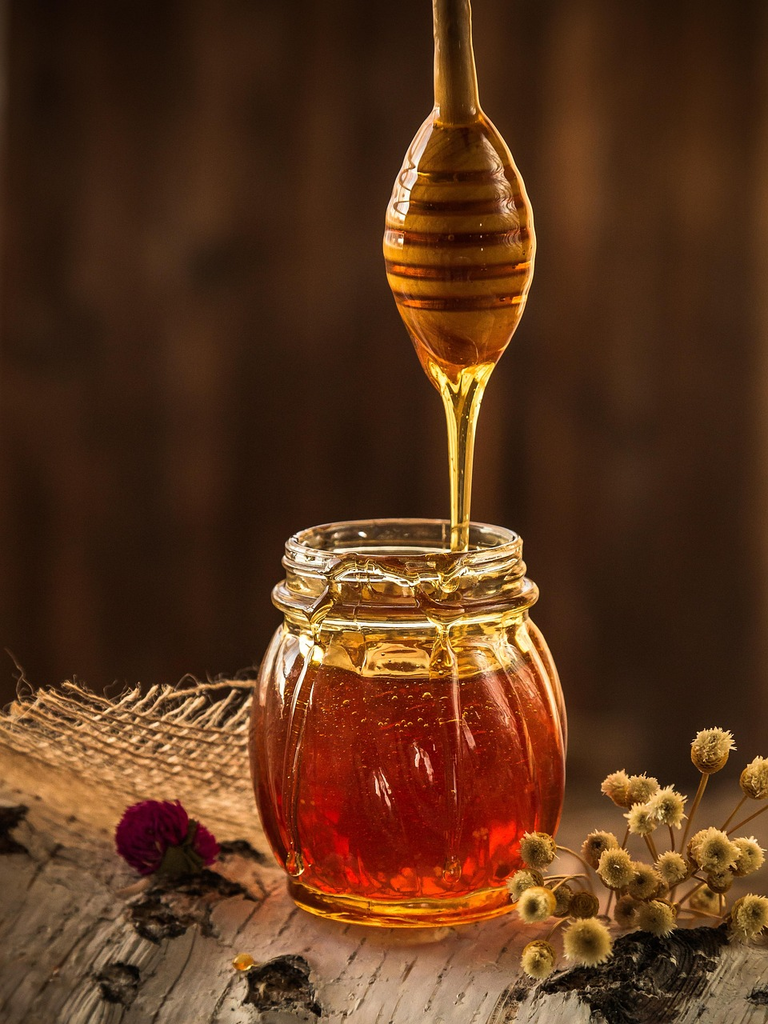
The phrase "honey never spoils" refers to the remarkable fact that pure honey can last indefinitely without going bad. Due to its low moisture content, acidic pH, and natural production of hydrogen peroxide, honey creates an environment where bacteria and microorganisms cannot thrive. Archaeologists have even found edible honey in ancient Egyptian tombs, demonstrating its incredible longevity. This surprising preservation ability makes honey unique among natural foods.
Honey never spoils+50
The phrase "honey never spoils" refers to the remarkable fact that pure honey can last indefinitely without going bad. Due to its low moisture content, acidic pH, and natural production of hydrogen peroxide, honey creates an environment where bacteria and microorganisms cannot thrive. Archaeologists have even found edible honey in ancient Egyptian tombs, demonstrating its incredible longevity. This surprising preservation ability makes honey unique among natural foods.
💡 Key Takeaways
- Honey has a near-infinite shelf life due to low water activity and acidic pH that inhibit microbial growth.
- Intrinsic enzymes and antimicrobial properties (like hydrogen peroxide when diluted) help prevent spoilage.
- Crystallization is normal and safe—it's not spoilage and can be reversed by gentle warming.
- Store honey in a sealed container at room temperature and away from moisture; do not feed honey to children under 12 months.
❓ Frequently Asked Questions
Why does honey rarely spoil and stay edible for a long time?
Honey has low water activity, high sugar, acidity, and natural enzymes that inhibit microbes, plus it’s stored in sealed containers, which helps it last a long time.
Can honey ever spoil or become unsafe to eat?
Pure honey can deteriorate in quality or ferment if it’s contaminated with moisture or stored improperly. Do not feed honey to babies under 1 year due to botulism risk.
Should honey be refrigerated or frozen?
No. Refrigeration can cause crystallization and texture changes. Store honey in a sealed container at room temperature, away from heat and moisture.
How can you tell if honey has gone bad or is spoiled?
If it smells sour, tastes off, or shows signs of fermentation or mold, discard. Crystallization is normal and reversible; gently warm to liquefy.