The Hoover Dam, constructed during the 1930s as part of President Franklin D. Roosevelt’s New Deal, stands as a monumental engineering achievement on the Colorado River. Designed to provide jobs during the Great Depression, it tamed the river’s flow, enabling irrigation, flood control, and hydroelectric power for the southwestern United States. The dam symbolizes both the era’s ambitious public works and lasting impact on regional development and water management.
Hoover Dam: New Deal Megaproject and the Colorado River
The Hoover Dam, constructed during the 1930s as part of President Franklin D. Roosevelt’s New Deal, stands as a monumental engineering achievement on the Colorado River. Designed to provide jobs during the Great Depression, it tamed the river’s flow, enabling irrigation, flood control, and hydroelectric power for the southwestern United States. The dam symbolizes both the era’s ambitious public works and lasting impact on regional development and water management.
💡 Key Takeaways
- Understand how the Hoover Dam exemplified a New Deal megaproject designed to create jobs during the Great Depression.
- Learn how damming the Colorado River enabled flood control, reliable irrigation, and hydroelectric power for the Southwest.
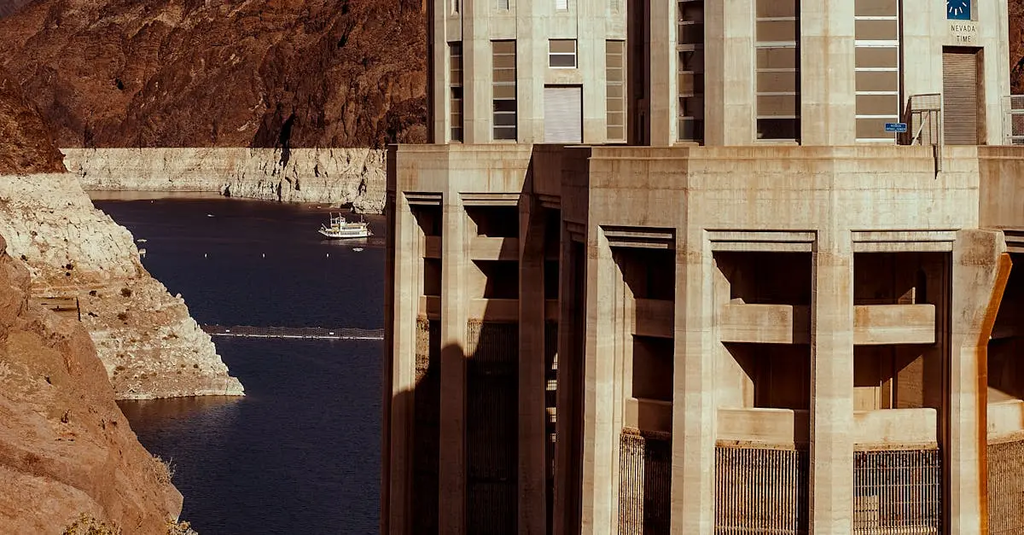
- Explore the engineering and architectural feats of the dam, including its massive concrete construction and iconic design.
- Recognize the Hoover Dam’s enduring role as an iconic American landmark and its impact on regional development and water management.
❓ Frequently Asked Questions
What is the Hoover Dam and where is it located?
The Hoover Dam is a large concrete arch-gravity dam on the Colorado River, forming Lake Mead and straddling the Nevada–Arizona border near Boulder City.
When was the Hoover Dam built and under which program?
Construction began in 1931 and was completed in 1936 as part of Franklin D. Roosevelt’s New Deal public works programs.
What were the main purposes of the Hoover Dam?
It controls floods, provides irrigation water for the Southwest, and generates hydroelectric power for homes and industry.
Why is the Hoover Dam considered an iconic landmark and a New Deal megaproject?
It symbolizes large-scale federal infrastructure, engineering prowess, and the effort to revive the economy during the Great Depression.