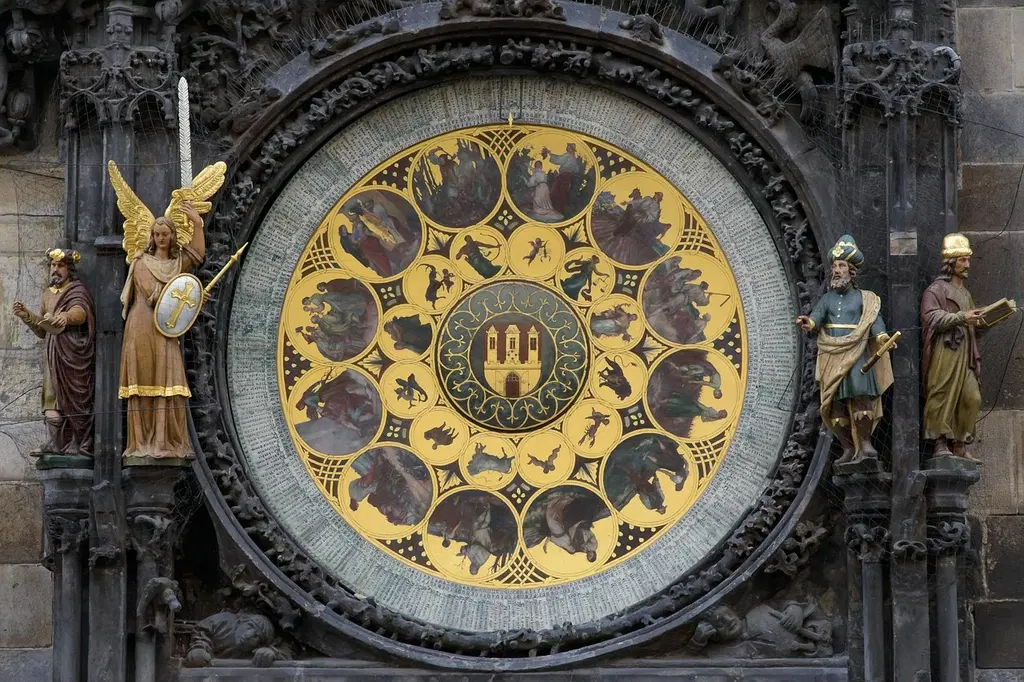
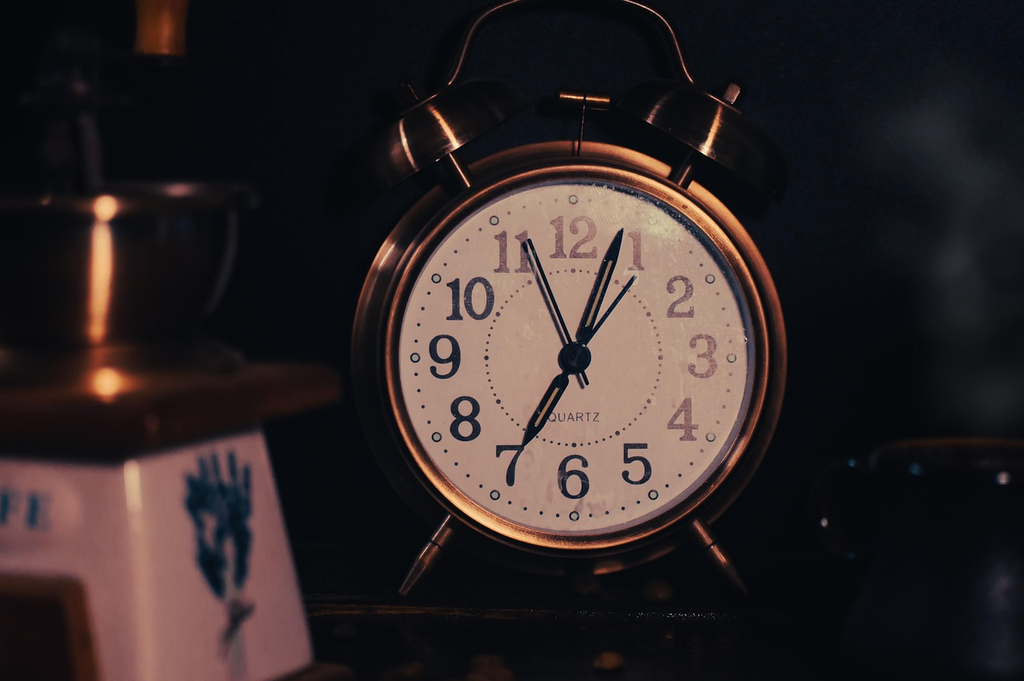
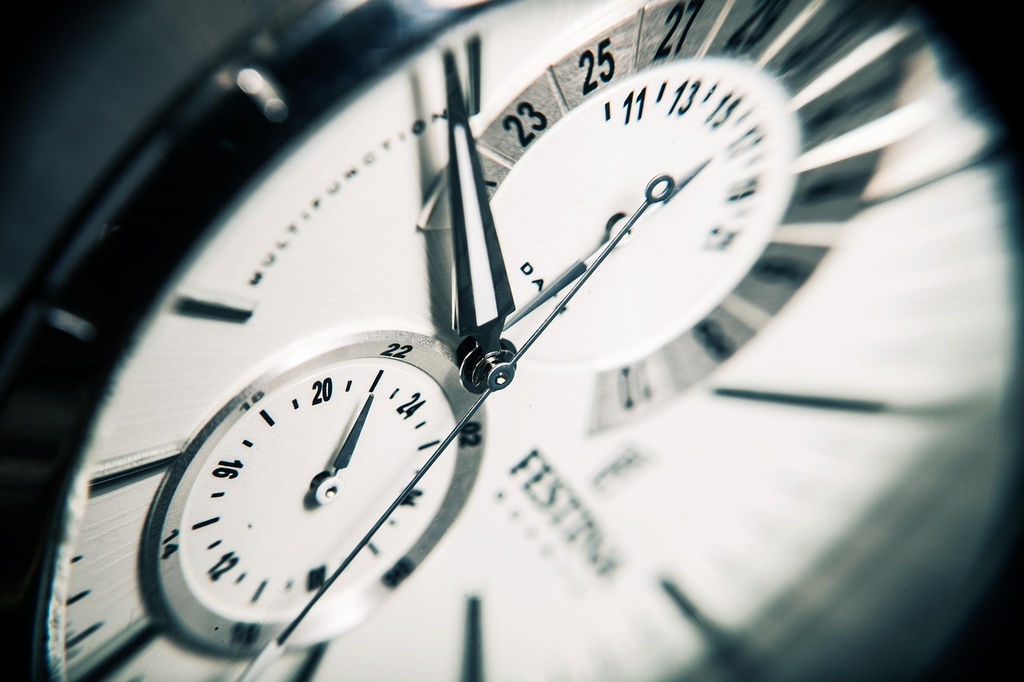
Horology and timekeeping are essential aspects of daily life, involving the science and art of measuring time. Clocks, as fundamental tools, help organize routines and maintain punctuality, while keys often symbolize access and security. Together, these daily essentials ensure smooth functioning and order, reflecting humanity's longstanding relationship with time management and safeguarding important spaces. Their presence in everyday life underscores their importance in maintaining structure and reliability.
Horology and Timekeeping
Horology and timekeeping are essential aspects of daily life, involving the science and art of measuring time. Clocks, as fundamental tools, help organize routines and maintain punctuality, while keys often symbolize access and security. Together, these daily essentials ensure smooth functioning and order, reflecting humanity's longstanding relationship with time management and safeguarding important spaces. Their presence in everyday life underscores their importance in maintaining structure and reliability.
💡 Key Takeaways
- Understand the basic principles behind how clocks and watches measure and display time.
- Identify the main components of a mechanical movement (mainspring, gear train, escapement, balance wheel) and their roles.
- Compare mechanical, quartz, and atomic timekeeping technologies and their typical accuracy and use cases.
- Explore key milestones in horology from pendulums to quartz to atomic clocks and their impact on timekeeping.
❓ Frequently Asked Questions
What is horology?
Horology is the study and art of measuring, keeping, and interpreting time, including clocks, watches, and other timekeeping systems.
What is the difference between a clock and a watch?
Clocks are stationary timekeepers (wall, mantel, or desk). Watches are portable and worn on the wrist. Both measure time using similar principles.
How does a mechanical clock or watch keep time?
Energy from a mainspring or weights drives gears to a regulating element (pendulum or balance wheel). The escapement releases this energy in precise steps, moving the hands at a steady rate.
What is quartz timekeeping and why is it common?
Quartz timekeeping uses a battery-powered quartz crystal oscillator that vibrates at a precise frequency. Electronics count these vibrations to produce accurate time, making quartz devices very reliable.