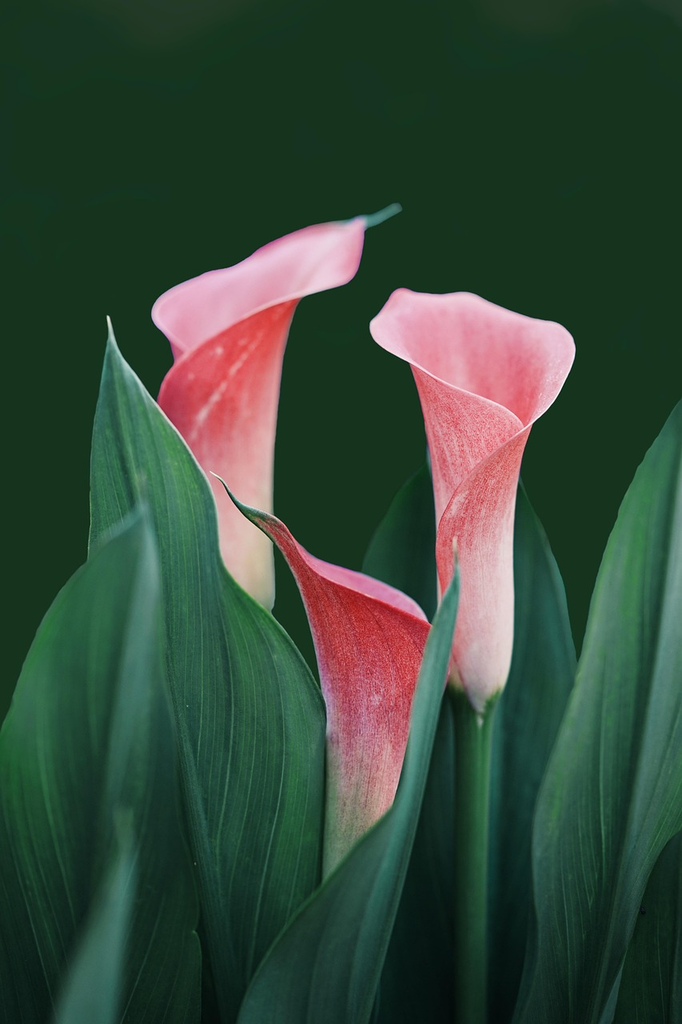
The horticulture of Mother's Day flowers involves cultivating popular blooms such as roses, carnations, lilies, and tulips, which symbolize love and appreciation. Growers carefully select and nurture these flowers to ensure peak freshness and vibrant colors for the holiday. Greenhouse environments, controlled irrigation, and precise timing are essential to meet the high demand. This specialized horticulture ensures that florists and families have access to beautiful, meaningful arrangements for celebrating mothers.
Horticulture of Mother's Day Flowers
The horticulture of Mother's Day flowers involves cultivating popular blooms such as roses, carnations, lilies, and tulips, which symbolize love and appreciation. Growers carefully select and nurture these flowers to ensure peak freshness and vibrant colors for the holiday. Greenhouse environments, controlled irrigation, and precise timing are essential to meet the high demand. This specialized horticulture ensures that florists and families have access to beautiful, meaningful arrangements for celebrating mothers.
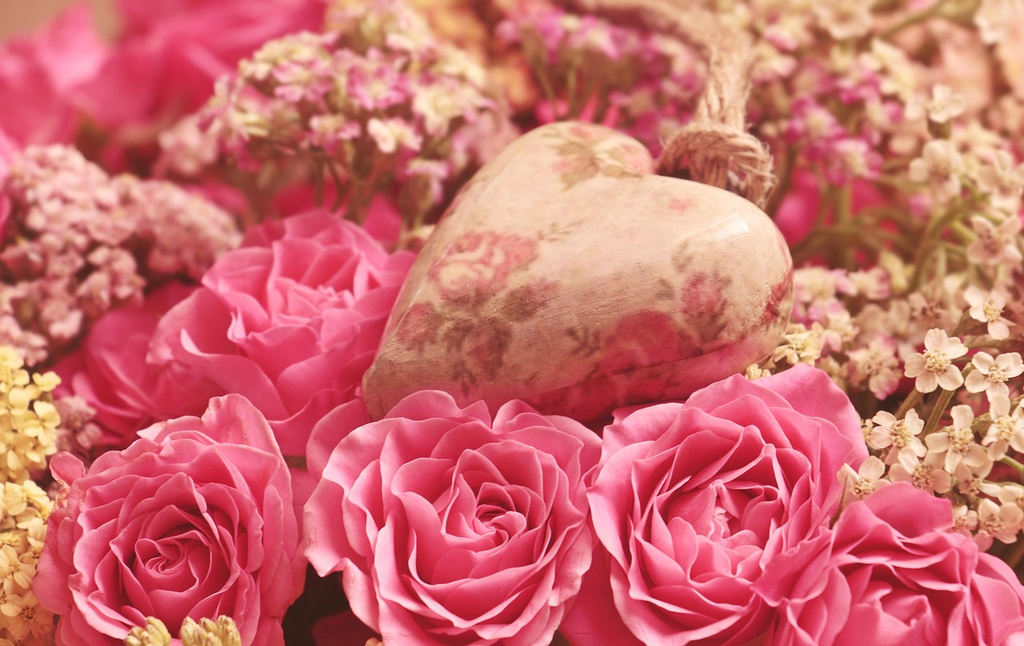
💡 Key Takeaways
- Identify popular Mother's Day flowers and their symbolic meanings.
- Learn basic horticulture tips to grow healthy blooms (light, soil, water, and fertilization).
- Discover simple cut-flower care to extend vase life (how to harvest, trim stems, and keep in a clean, cool vase).
- Explore easy bouquet arrangement ideas for a balanced, long-lasting Mother's Day display.
❓ Frequently Asked Questions
What flower is traditionally associated with Mother's Day, and what do the colors mean?
Carnations are traditional for Mother's Day. Pink or red carnations symbolize appreciation for living mothers; white carnations honor mothers who have died.
How can you extend the life of cut Mother's Day flowers in a vase?
Trim stems at a 45° angle, remove leaves below water, use a clean vase with fresh water and flower food, place in a cool spot, and change the water every 2–3 days.
What are basic care tips for arranging Mother's Day flowers in a vase?
Use a clean vase, recut stems as needed, remove wilted blooms, keep flowers away from direct heat, and replenish water and food as needed.
What factors help you choose Mother's Day flowers that perform well in spring?
Choose locally grown, seasonal blooms when possible (e.g., carnations, tulips, lilies, roses), and check with local florists or garden centers for varieties that suit your climate and vase life.