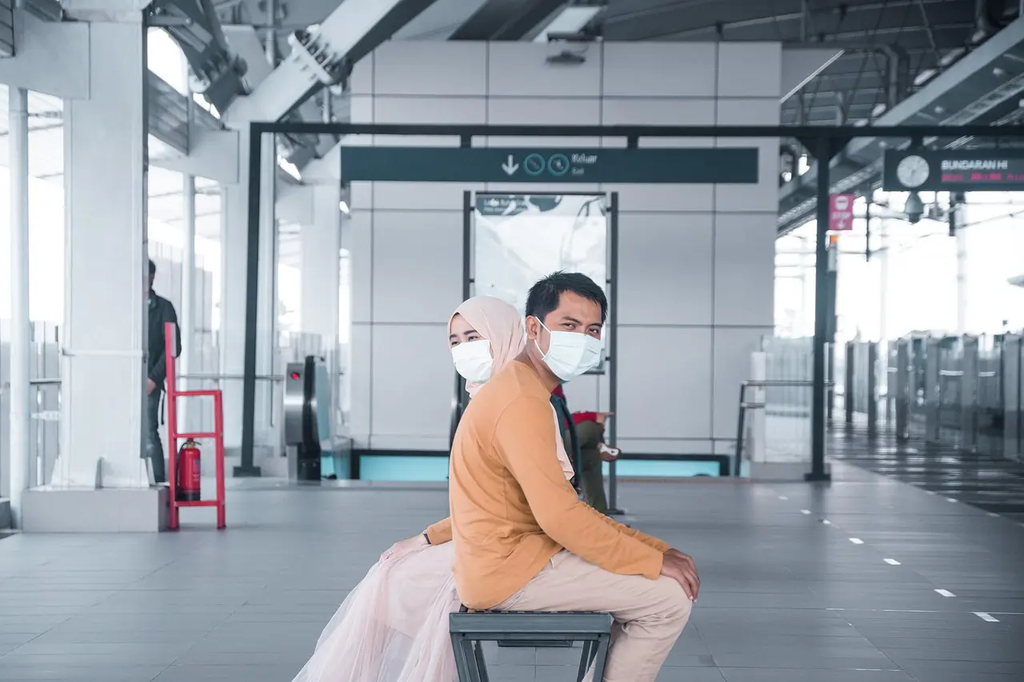
Hospitals and clinics are healthcare facilities that provide medical services to individuals. Hospitals are larger institutions equipped to handle a wide range of health issues, including emergencies, surgeries, and specialized treatments. They often have inpatient and outpatient services. Clinics are usually smaller and focus on outpatient care, offering routine check-ups, preventive care, and minor treatments. Both play essential roles in maintaining community health and providing access to medical care.
Hospitals & Clinics+50
Hospitals and clinics are healthcare facilities that provide medical services to individuals. Hospitals are larger institutions equipped to handle a wide range of health issues, including emergencies, surgeries, and specialized treatments. They often have inpatient and outpatient services. Clinics are usually smaller and focus on outpatient care, offering routine check-ups, preventive care, and minor treatments. Both play essential roles in maintaining community health and providing access to medical care.

💡 Key Takeaways
- Differentiate hospitals and clinics by size, scope, and typical services.
- Understand inpatient vs outpatient care and when each is appropriate.
- Know common services found in hospitals (emergency care, surgeries, inpatient units) and in clinics (primary care, preventive exams, routine treatment).
- Learn how to decide where to seek care based on condition severity, needed specialties, and convenience.
❓ Frequently Asked Questions
What is the difference between a hospital and a clinic?
Hospitals are larger facilities offering emergency care, inpatient stays, surgeries, and specialized treatments; clinics are smaller centers focused on outpatient care, routine exams, and common diagnoses.
What services does a hospital typically provide?
Emergency care, inpatient hospitalization, surgeries, intensive care, imaging, labs, and access to various specialty departments.
What do inpatient and outpatient mean?
Inpatient care requires an overnight (or longer) stay; outpatient care involves visits or procedures completed the same day with no overnight stay.
What is the role of clinics in healthcare?
Clinics provide preventive and primary care, diagnose common illnesses, perform routine exams, and refer patients to hospitals or specialists for more extensive care.