Human anatomy basics refer to the fundamental structure and organization of the human body. It covers major body systems such as skeletal, muscular, circulatory, respiratory, digestive, and nervous systems. Understanding these basics includes recognizing the location and function of key organs, tissues, and cells. This foundational knowledge is essential for studying health, medicine, and biology, as it explains how the body’s parts work together to maintain life and support daily functions.
Human Anatomy Basics+50
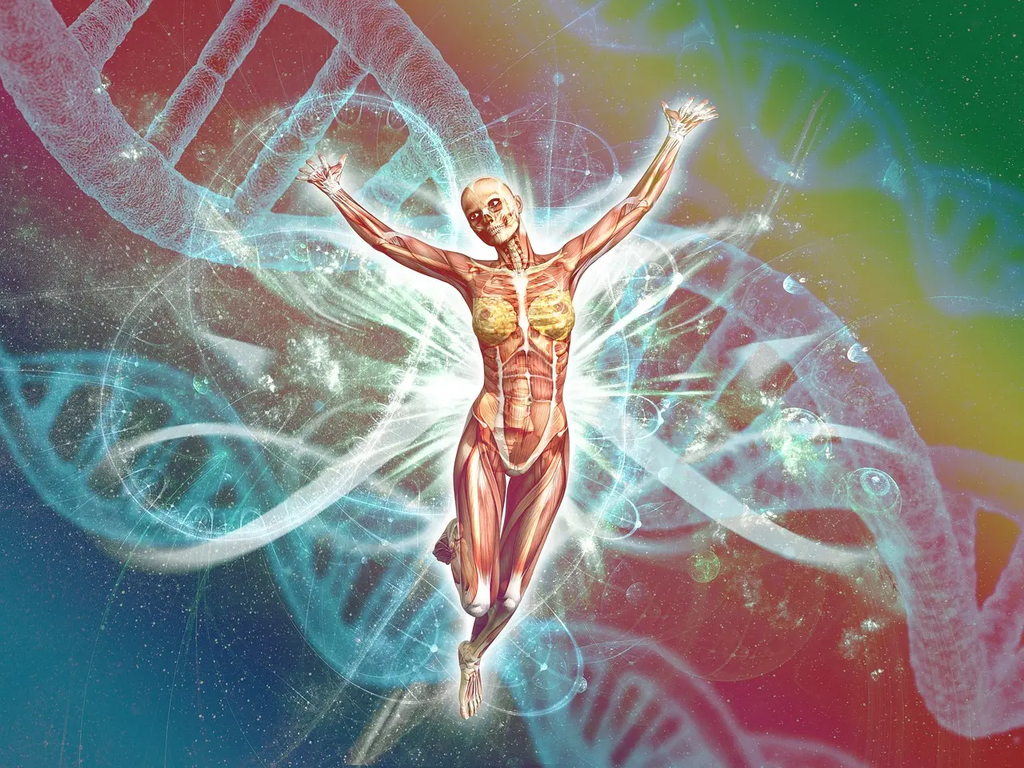
Human anatomy basics refer to the fundamental structure and organization of the human body. It covers major body systems such as skeletal, muscular, circulatory, respiratory, digestive, and nervous systems. Understanding these basics includes recognizing the location and function of key organs, tissues, and cells. This foundational knowledge is essential for studying health, medicine, and biology, as it explains how the body’s parts work together to maintain life and support daily functions.
💡 Key Takeaways
- Identify the major body systems (skeletal, muscular, circulatory, respiratory, digestive, and nervous) and summarize their primary functions.
- Locate and name key organs within each system (e.g., bones, heart, lungs, stomach, brain) and describe their basic roles.
- Explain how these systems interact to support movement, breathing, digestion, circulation, and overall body function.
- Understand basic anatomical terms and how structure relates to function at a high level.
❓ Frequently Asked Questions
What is human anatomy?
Human anatomy is the study of the body's structure and organization, describing how organs and systems are arranged and relate to one another.
Which major body systems are covered in anatomy basics?
Key systems include the skeletal, muscular, circulatory, respiratory, digestive, and nervous systems; these form the body's framework, movement, transport, breathing, digestion, and control.
Where is the heart located and what does it do?
The heart sits in the chest area slightly to the left. It pumps blood through the circulatory system to supply oxygen and nutrients to the body.
What is the role of the lungs and where are they located?
The lungs are in the thoracic cavity and enable gas exchange—taking in oxygen and expelling carbon dioxide during breathing.
What is the basic function of the skeletal system?
The skeletal system provides structure and support, protects organs, enables movement with muscles, stores minerals, and produces blood cells in bone marrow.