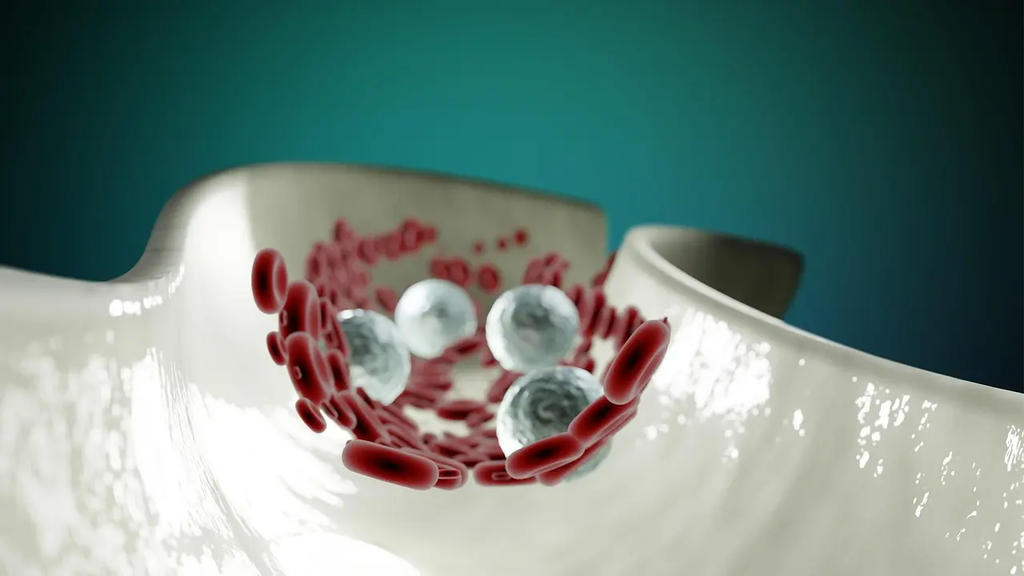
Human Body Systems Integration refers to how different body systems—such as the circulatory, respiratory, digestive, nervous, and muscular systems—work together to maintain overall health and function. Each system performs specific roles, but they constantly communicate and coordinate with one another. For example, the respiratory and circulatory systems collaborate to deliver oxygen to tissues, while the nervous system regulates and responds to changes, ensuring the body operates efficiently as a unified whole.
Human Body Systems Integration
Human Body Systems Integration refers to how different body systems—such as the circulatory, respiratory, digestive, nervous, and muscular systems—work together to maintain overall health and function. Each system performs specific roles, but they constantly communicate and coordinate with one another. For example, the respiratory and circulatory systems collaborate to deliver oxygen to tissues, while the nervous system regulates and responds to changes, ensuring the body operates efficiently as a unified whole.
💡 Key Takeaways
- Understand how major body systems coordinate to maintain homeostasis across the circulatory, respiratory, nervous, digestive, and endocrine systems.
- Learn how neural and hormonal signals regulate organ activity during daily tasks and exercise.
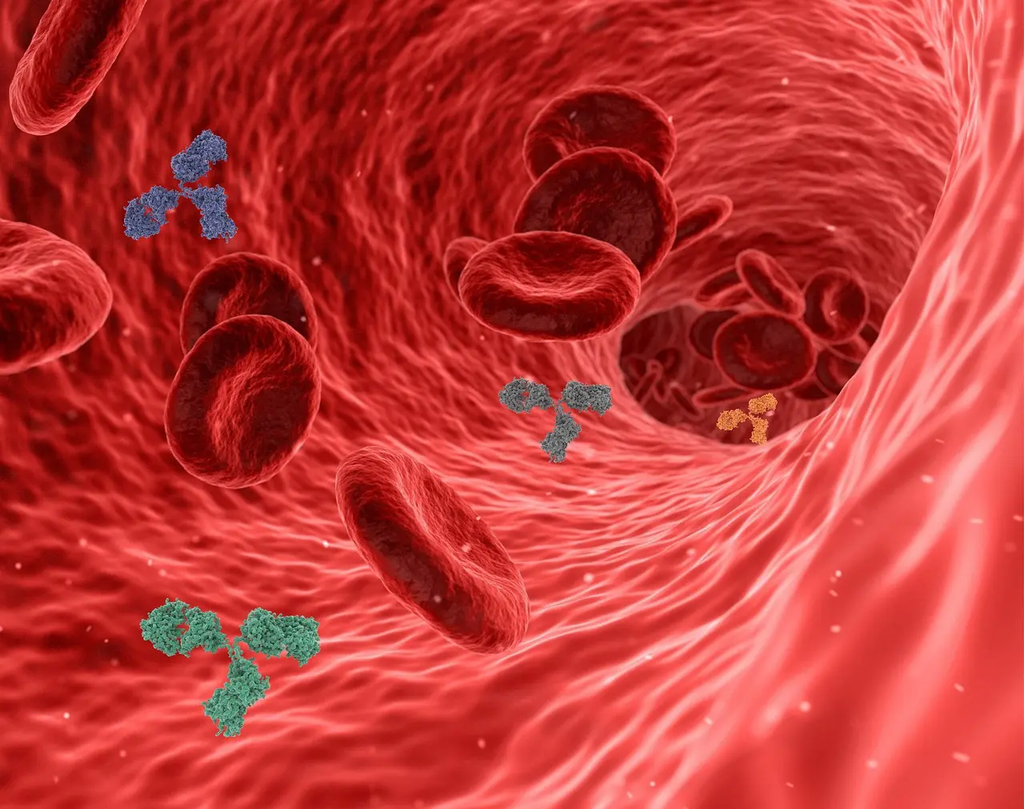
- See how oxygen delivery, nutrient distribution, and waste removal depend on integrated system teamwork.
- Recognize feedback mechanisms that keep heart rate, temperature, and blood glucose within healthy ranges.
❓ Frequently Asked Questions
What does 'integration' mean in the context of the human body?
Integration means different organ systems work together to maintain balance (homeostasis) and support overall function through coordinated signals and feedback.
Which systems coordinate fast and slow responses, and how do they communicate?
The nervous system provides fast responses via nerve impulses, while the endocrine system uses hormones for slower, longer-lasting effects; together they adjust organ activity as needed.
How do the circulatory and respiratory systems work together to supply oxygen and remove carbon dioxide?
The lungs exchange O2 and CO2 with air; blood carries O2 from the lungs to tissues and returns CO2 to the lungs for exhalation, with the heart pumping blood through the circuit.
How do the digestive, circulatory, and nervous systems collaborate to use nutrients?
Digestive enzymes break down food; nutrients enter the bloodstream and are distributed by the circulatory system; the nervous system helps regulate digestion via autonomic signals.
How do the immune system and other systems interact during infection or stress?
Immune cells detect pathogens and release signals; hormones and nerves modulate immune responses and resource allocation during stress to coordinate a response.