The human body is composed of several interconnected systems that work together to maintain life and health. Major systems include the circulatory, respiratory, digestive, nervous, muscular, skeletal, endocrine, immune, urinary, and reproductive systems. Each system performs specific functions, such as transporting nutrients and oxygen, defending against disease, or enabling movement. Together, these systems ensure the body can grow, respond to the environment, and maintain internal balance, known as homeostasis.
Human Body Systems Overview
The human body is composed of several interconnected systems that work together to maintain life and health. Major systems include the circulatory, respiratory, digestive, nervous, muscular, skeletal, endocrine, immune, urinary, and reproductive systems. Each system performs specific functions, such as transporting nutrients and oxygen, defending against disease, or enabling movement. Together, these systems ensure the body can grow, respond to the environment, and maintain internal balance, known as homeostasis.
💡 Key Takeaways
- Identify the primary function of each major body system (circulatory, respiratory, digestive, nervous, muscular, skeletal, endocrine, immune, urinary, reproductive).
- Describe how the circulatory and respiratory systems work together to supply oxygen and remove carbon dioxide.
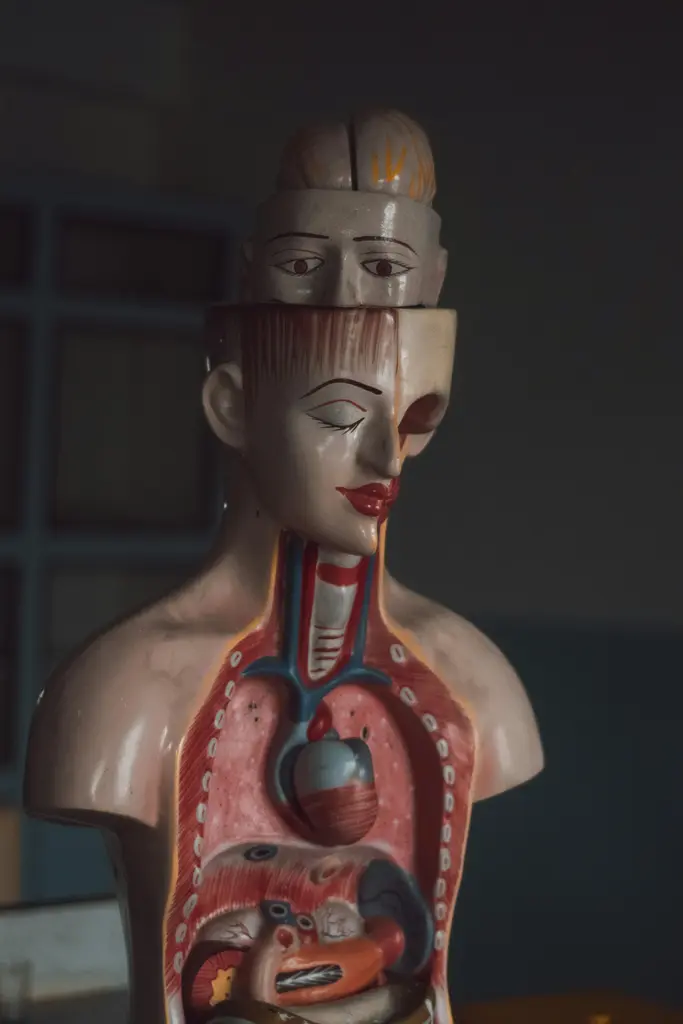
- Name key organs in each system (e.g., heart, lungs, stomach, brain, muscles, bones, glands, immune cells, kidneys, reproductive organs).
- Explain the concept of homeostasis and how multiple systems coordinate to keep the body healthy.
❓ Frequently Asked Questions
What is a body system, and how do they work together?
A body system is a group of organs performing related functions. They cooperate to maintain homeostasis and support life by distributing tasks and signaling between systems.
What does the circulatory system do, and what organs are involved?
It transports blood, oxygen, nutrients, and wastes. Key components are the heart, blood vessels, and blood.
How do the circulatory and respiratory systems interact?
The respiratory system brings in oxygen and removes carbon dioxide; the circulatory system carries oxygen from the lungs to cells and returns CO2 to the lungs.
What roles do the digestive and urinary systems play?
The digestive system breaks down food into nutrients; the urinary system removes wastes and helps regulate fluids and electrolytes.
How do the nervous and endocrine systems differ in controlling the body?
The nervous system uses fast electrical signals for quick responses, while the endocrine system uses hormones for slower, longer-lasting regulation.