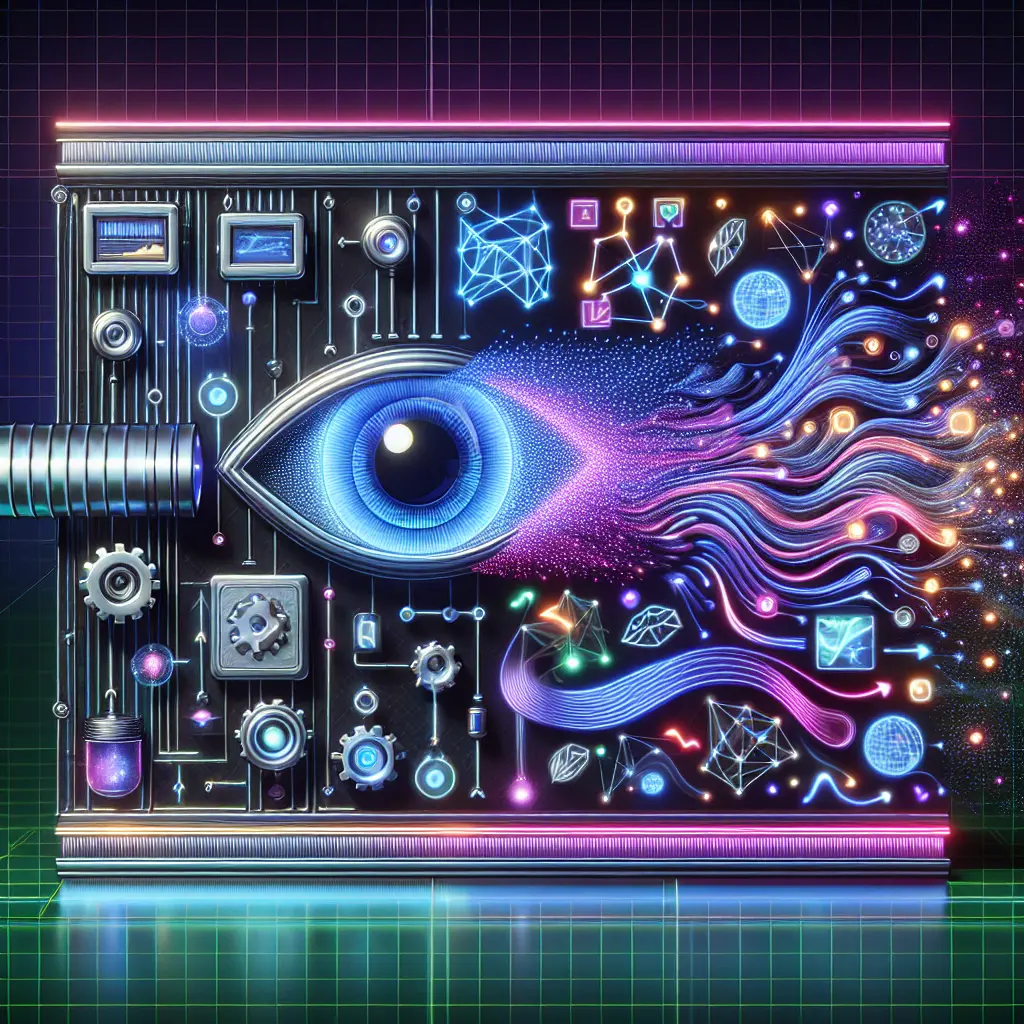
Human-Computer Co-Creation and Social Creativity refers to collaborative processes where humans and intelligent computer systems work together to generate new ideas, artworks, or solutions. This partnership leverages the unique strengths of both parties—human intuition, emotion, and context-awareness, combined with computational speed, data processing, and pattern recognition. Such synergy enhances creativity on a social scale, enabling innovative outcomes and fostering collective problem-solving beyond individual or machine capabilities alone.
Human-Computer Co-Creation and Social Creativity
Human-Computer Co-Creation and Social Creativity refers to collaborative processes where humans and intelligent computer systems work together to generate new ideas, artworks, or solutions. This partnership leverages the unique strengths of both parties—human intuition, emotion, and context-awareness, combined with computational speed, data processing, and pattern recognition. Such synergy enhances creativity on a social scale, enabling innovative outcomes and fostering collective problem-solving beyond individual or machine capabilities alone.

💡 Key Takeaways
- Define human-computer co-creation and how AI partners augment human creativity.
- Explain how emotion, intuition, and context influence co-created ideas, art, or solutions.
- Identify real-world examples of social creativity enabled by intelligent systems in tech and internet culture.
- Discuss ethical considerations in AI-assisted creativity, including attribution, authorship, and bias.
❓ Frequently Asked Questions
What is human-computer co-creation?
A collaborative process where people and intelligent computer systems jointly generate ideas, art, or solutions, leveraging human intuition and context with machine speed and pattern recognition.
What does 'social creativity' mean in this context?
Creativity that emerges from interactions among people, AI tools, and online communities, often amplified by shared inputs, feedback, and collaboration across networks.
How do humans and AI contribute differently in co-creation?
Humans provide intuition, emotion, and domain knowledge; AI contributes data processing, large-scale pattern discovery, and rapid exploration of many creative options.
What are common examples of human-computer co-creation?
AI-assisted art or music projects, generative design, collaborative writing, and crowd-driven problem solving using interactive AI tools.