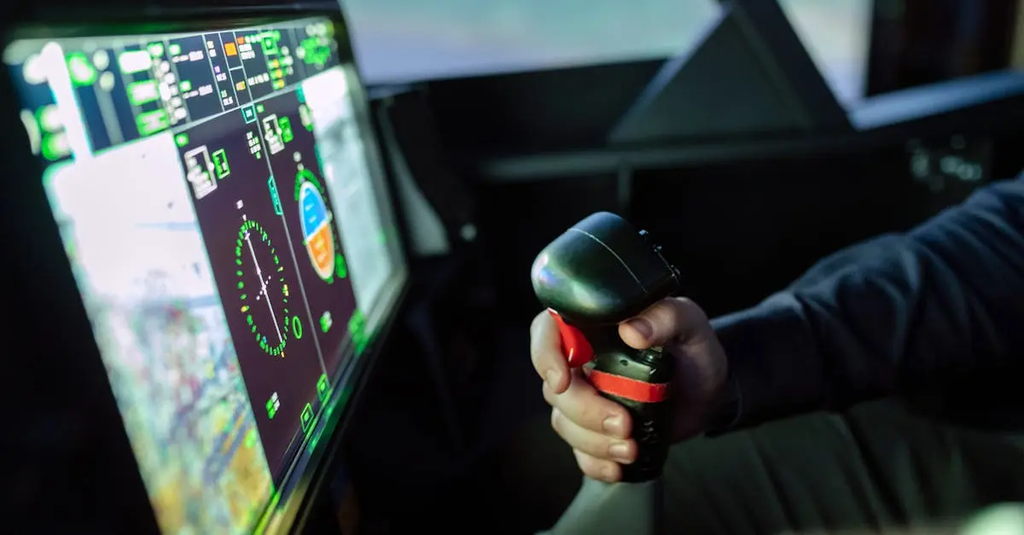
Human-in-the-loop controls refer to systems where human judgment and decision-making are integrated with automated processes. In these systems, humans actively monitor, intervene, or guide machine operations, ensuring flexibility, safety, and adaptability. Such controls are common in areas like aviation, manufacturing, and autonomous vehicles, where automation benefits from human oversight. This collaborative approach leverages both machine efficiency and human intuition to optimize performance and address complex or unexpected scenarios.
Human-in-the-loop controls overview
Human-in-the-loop controls refer to systems where human judgment and decision-making are integrated with automated processes. In these systems, humans actively monitor, intervene, or guide machine operations, ensuring flexibility, safety, and adaptability. Such controls are common in areas like aviation, manufacturing, and autonomous vehicles, where automation benefits from human oversight. This collaborative approach leverages both machine efficiency and human intuition to optimize performance and address complex or unexpected scenarios.
💡 Key Takeaways
- Define human-in-the-loop controls and how humans monitor, intervene, or guide automated systems to boost safety and adaptability.
- Explain different levels of human involvement (monitoring, intervention, override) and typical escalation pathways.
- Identify the benefits (safety, accountability, flexibility) and risks (latency, fatigue, overreliance) of HITL in high-stakes settings like aviation.
- Describe design considerations for HITL systems, including transparency, human factors, training, and clear responsibility.
❓ Frequently Asked Questions
What does 'human-in-the-loop' mean in AI systems?
Human-in-the-loop (HIL) means AI systems that include human judgment to monitor, intervene, or guide automated processes, combining speed with safety and adaptability.
How do human-in-the-loop controls differ from fully autonomous or fully manual systems?
In HIL, automation and humans coexist: AI handles tasks but humans can supervise, adjust, or override decisions as needed.
Why are HIL controls important for AI risk management?
They provide oversight, validation, and fallbacks to prevent unsafe or erroneous actions, improving safety, accountability, and reliability.
Where are human-in-the-loop controls commonly used?
They’re used in high-stakes settings like aviation, healthcare, and industrial automation where human judgment enhances safety and adaptability.
What challenges come with implementing HIL controls?
Challenges include potential response delays, operator training needs, workload management, and ensuring clear decision boundaries and transparency.