Human migration refers to the movement of people from one place to another, often across regions or countries. Famous examples include the Great Migration of African Americans from the rural South to northern U.S. cities, the Irish migration during the Potato Famine, and Syrian refugees fleeing conflict. Identification involves recognizing push and pull factors, such as economic opportunities, wars, or natural disasters, and tracing the impacts on both origin and destination societies.
Human Migration: Famous Examples & Identification
Human migration refers to the movement of people from one place to another, often across regions or countries. Famous examples include the Great Migration of African Americans from the rural South to northern U.S. cities, the Irish migration during the Potato Famine, and Syrian refugees fleeing conflict. Identification involves recognizing push and pull factors, such as economic opportunities, wars, or natural disasters, and tracing the impacts on both origin and destination societies.
💡 Key Takeaways
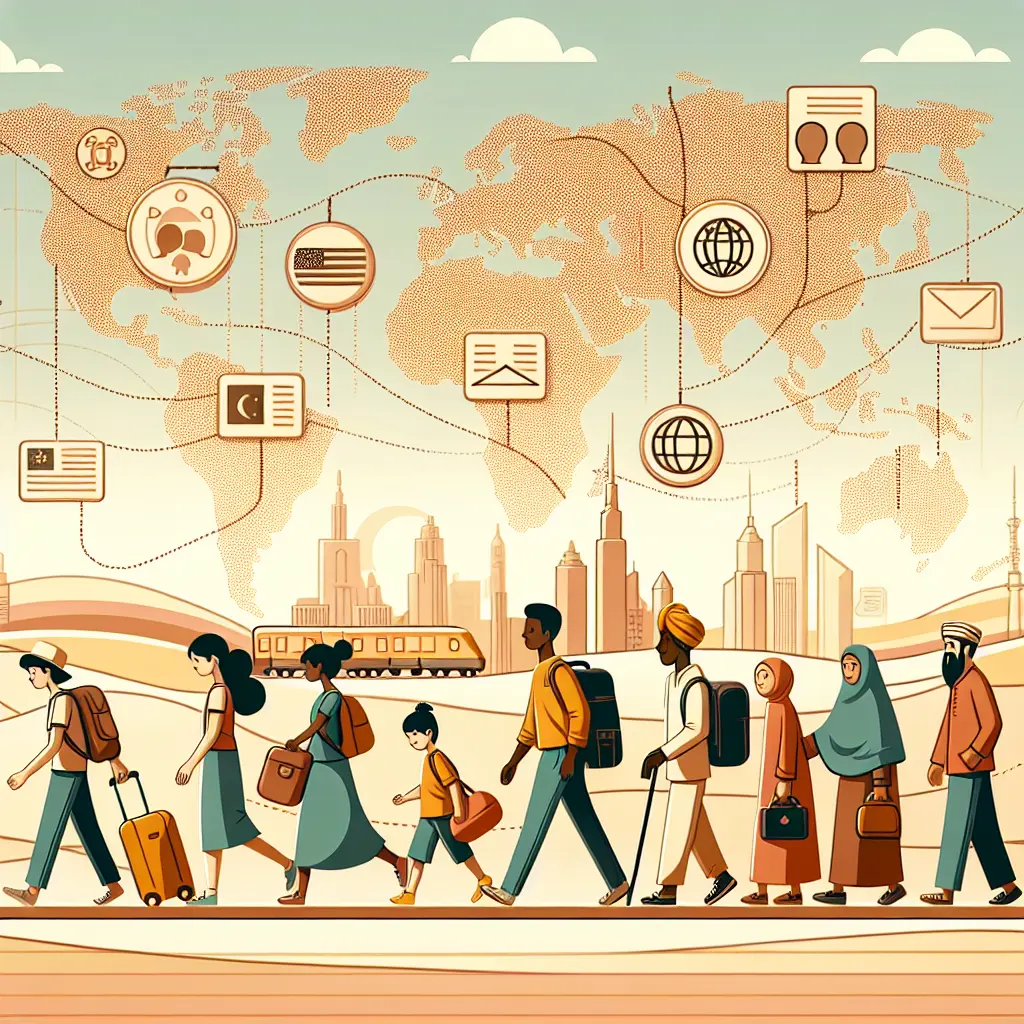
- Define migration and distinguish between internal vs international movement, as well as emigration vs immigration.
- Identify famous historical migration events such as the Great Migration, Irish Potato Famine migration, and Syrian refugees fleeing conflict.
- Explain push factors (famine, conflict, economic hardship) and pull factors (jobs, safety, opportunity) that drive people to relocate.
- Differentiate between types of migrants (refugees, asylum seekers, economic migrants) and between voluntary and forced migration, including legal implications.
- Describe the impacts of migration on origin and destination regions, including demographics, labor markets, and cultural exchange.
❓ Frequently Asked Questions
What is human migration?
The movement of people from one place to another, often across regions or countries, for reasons like work, safety, or family.
What was the Great Migration?
A large movement of African Americans from the rural South to northern and midwestern cities from about 1916 to the 1970s, seeking better jobs and escaping discrimination.
Why did Irish people migrate during the Potato Famine?
Mass starvation and economic hardship caused by the potato blight in the mid-1840s pushed many Irish to emigrate in search of food and work.
Who are Syrian refugees and why did they flee?
Syrians who fled armed conflict and persecution since around 2011, seeking safety and protection, often resettling in neighboring countries or elsewhere.
What is the difference between a refugee and a migrant?
A refugee is forced to flee due to fear of persecution or danger and cannot safely return home; a migrant moves by choice, usually for work or better opportunities.