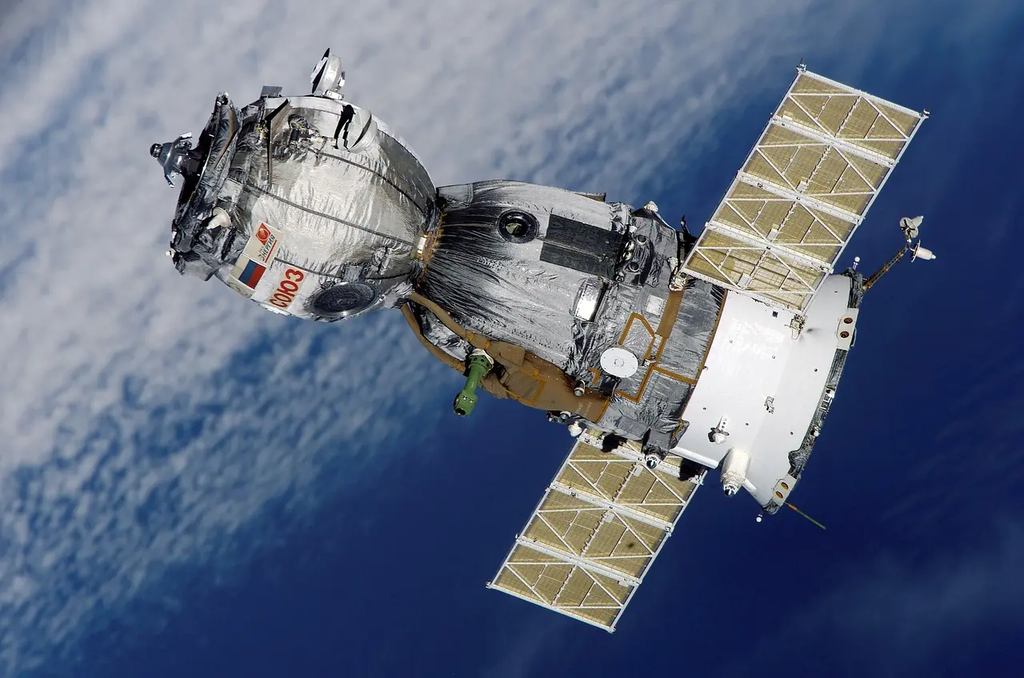
Human-Rating Standards for Launch Vehicles and Capsules are a set of rigorous guidelines and requirements designed to ensure the safety, reliability, and survivability of crewed space missions. These standards address aspects such as system redundancy, fault tolerance, life support, emergency escape, and risk minimization. They are established by agencies like NASA to certify that spacecraft and rockets are suitable for carrying astronauts, reducing the likelihood of catastrophic failure during all mission phases.
Human-Rating Standards for Launch Vehicles and Capsules
Human-Rating Standards for Launch Vehicles and Capsules are a set of rigorous guidelines and requirements designed to ensure the safety, reliability, and survivability of crewed space missions. These standards address aspects such as system redundancy, fault tolerance, life support, emergency escape, and risk minimization. They are established by agencies like NASA to certify that spacecraft and rockets are suitable for carrying astronauts, reducing the likelihood of catastrophic failure during all mission phases.
💡 Key Takeaways
- Understand the concept of human-rating and its importance for crew safety in space missions.
- Identify core requirements such as system redundancy, fault tolerance, and reliability targets for launch vehicles and capsules.
- Describe life support criteria, environmental control, and crew survivability considerations.
- Explain emergency escape, abort options, and how testing and verification ensure standards are met.
❓ Frequently Asked Questions
What are human-rating standards for launch vehicles and capsules?
A set of rigorous guidelines ensuring safety, reliability, and survivability of crewed missions, covering design, testing, redundancy, fault tolerance, life support, and emergency systems.
Why do these standards emphasize system redundancy and fault tolerance?
To prevent a single failure from endangering the crew or mission by providing backup paths and diverse, independent systems.
What topics are included under life support in these standards?
Provision of breathable air, cabin pressure, thermal control, water, food, waste management, health monitoring, and fault isolation for crew safety.
How is emergency escape addressed in these standards?
Protocols and hardware for abort scenarios, escape systems, rapid separation, and rescue procedures to keep crew safe during failures.
How are human-rating standards verified and enforced?
Through risk analyses, design reviews, testing (ground and flight), simulations, verification/validation activities, and oversight by space agencies.