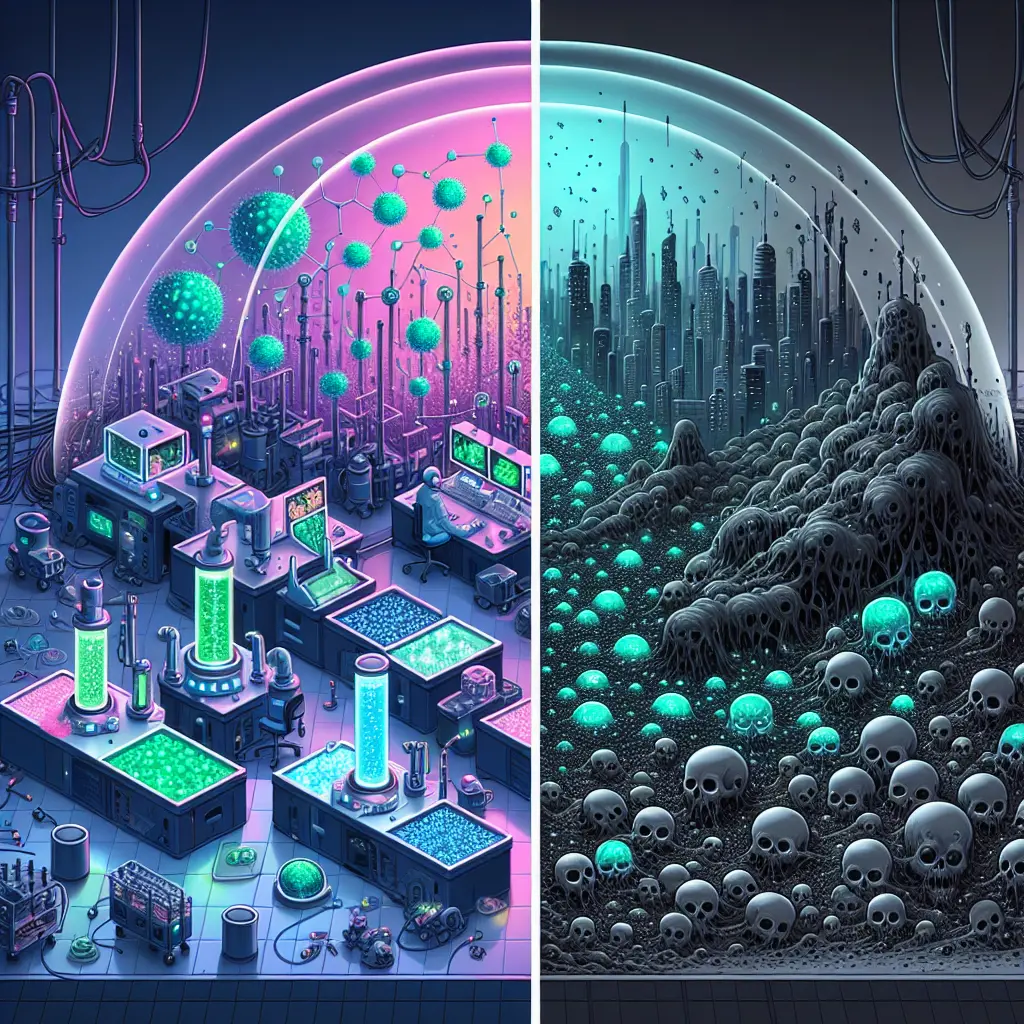
"Humanity's Endings & Rebirth Narratives" refers to stories and myths that explore the destruction or downfall of human civilization, often through apocalyptic events, followed by themes of renewal, transformation, or new beginnings. These narratives examine how societies confront existential threats, adapt, and ultimately find hope or meaning in starting anew. They reflect on cycles of collapse and regeneration, highlighting resilience, change, and the possibility of a better future emerging from catastrophe.
Humanity's Endings & Rebirth Narratives
"Humanity's Endings & Rebirth Narratives" refers to stories and myths that explore the destruction or downfall of human civilization, often through apocalyptic events, followed by themes of renewal, transformation, or new beginnings. These narratives examine how societies confront existential threats, adapt, and ultimately find hope or meaning in starting anew. They reflect on cycles of collapse and regeneration, highlighting resilience, change, and the possibility of a better future emerging from catastrophe.
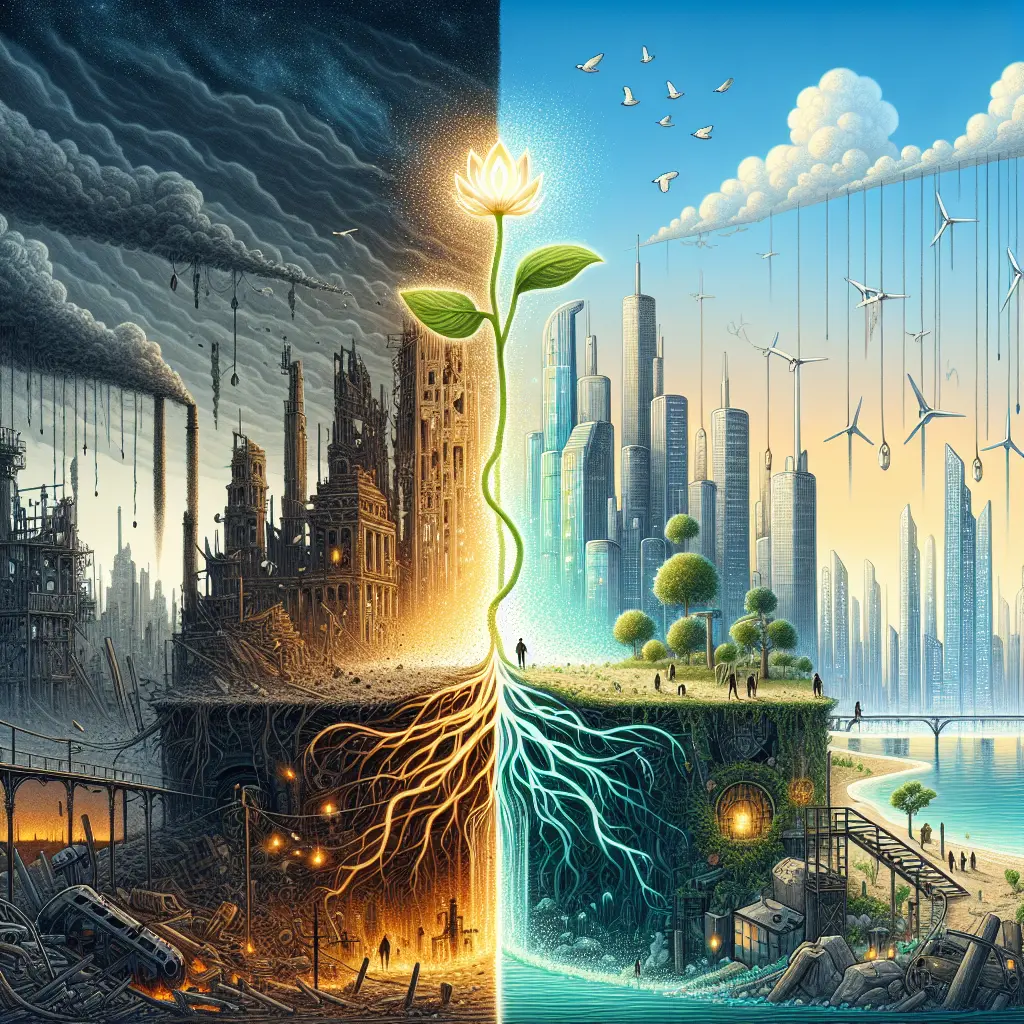
💡 Key Takeaways
- Recognize common endings-and-rebirth motifs in sci-fi and cyber-future narratives, from apocalyptic collapse to post-crisis renewal.
- Analyze how technology, governance, and culture shape societal responses to existential threats in these stories.
- Compare diverse cultural myths and contemporary sci-fi to understand variations in how destruction leads to renewal.
- Examine core themes of resilience, memory, identity, and rebuilding that drive narratives of humanity's future.
❓ Frequently Asked Questions
What do Humanity's Endings & Rebirth Narratives primarily explore?
They examine how civilizations collapse under existential threats and whether renewal or transformation is possible afterward.
How do apocalyptic and post-apocalyptic stories differ?
Apocalyptic tales center on the catastrophic event itself, while post-apocalyptic narratives focus on survival, adaptation, and rebuilding after the event.
What role does technology play in rebirth narratives within sci-fi and cyber futures?
Technology often drives renewal through AI, cybernetics, and new networks, enabling new societies or redefining humanity, while it can also pose renewed threats.
What are common themes to look for when studying these narratives?
Resilience, ethical choices, collective action, and the meaning of humanity in the face of collapse or transformation.