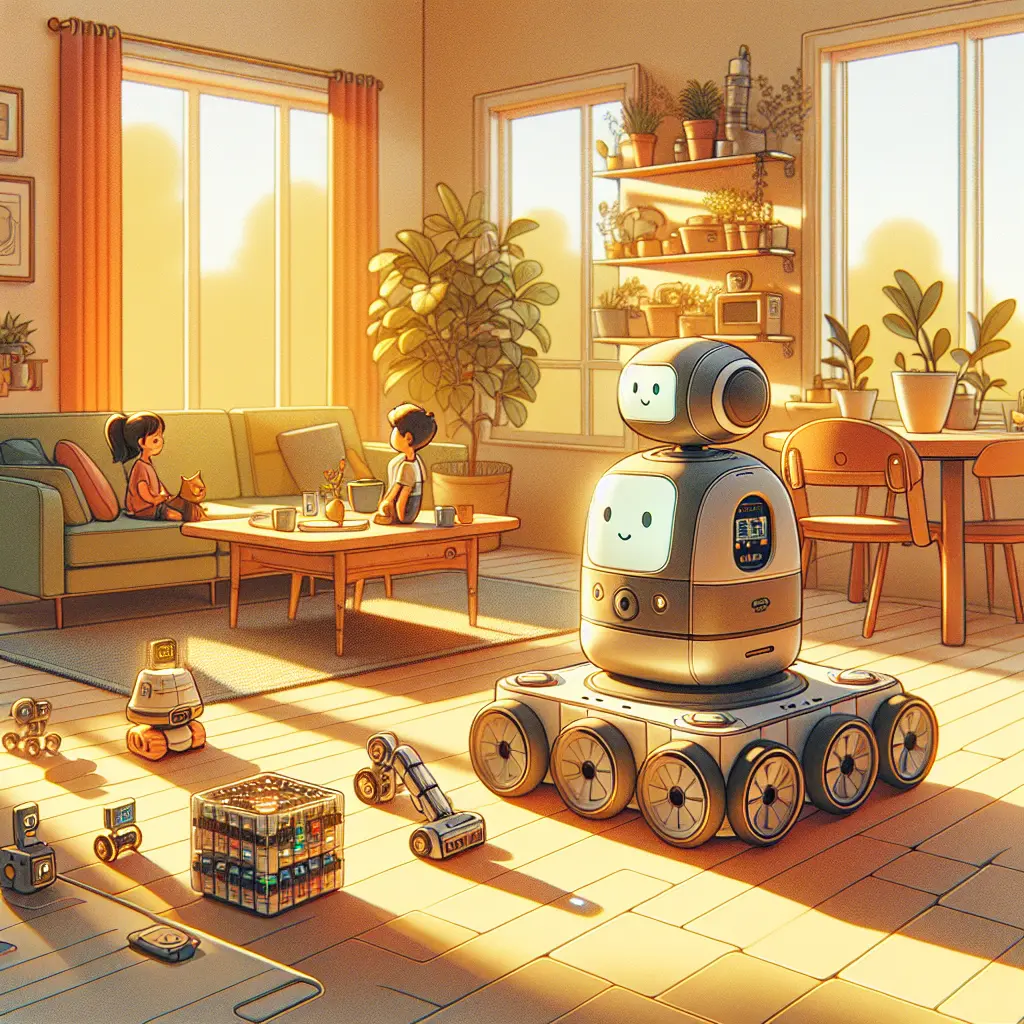
Humanoid robots are robots designed to resemble and mimic human appearance, behavior, and movements. They often feature a head, torso, arms, and legs, enabling them to interact with environments built for humans. These robots can perform tasks such as walking, talking, and expressing emotions, making them suitable for roles in customer service, healthcare, and education. Humanoid robots aim to facilitate natural human-robot interaction and enhance collaboration between humans and machines.
Humanoid Robots
Humanoid robots are robots designed to resemble and mimic human appearance, behavior, and movements. They often feature a head, torso, arms, and legs, enabling them to interact with environments built for humans. These robots can perform tasks such as walking, talking, and expressing emotions, making them suitable for roles in customer service, healthcare, and education. Humanoid robots aim to facilitate natural human-robot interaction and enhance collaboration between humans and machines.

💡 Key Takeaways
- Identify the core anatomy of humanoid robots (head, torso, arms, legs) and how it enables human-like movement.
- Explain how humanoid robots interact with human-centered environments and perform tasks such as walking, talking, and expressing emotions.
- Compare humanoid robots to other robot types and discuss their roles in space exploration and future technology.
- Recognize challenges in humanoid robotics, including locomotion stability, manipulation, perception, and ethical considerations.
❓ Frequently Asked Questions
What is a humanoid robot?
A robot designed to resemble human form and behavior, often with a head, torso, arms, and legs, to operate in environments built for people.
What technologies enable their movement and interaction?
Actuators and joints for movement, sensors (cameras, depth/touch sensors) for perception, and AI for navigation, speech, and expressions.
Where are humanoid robots used in space and future tech contexts?
In space missions for exploration, maintenance, and astronaut assistance; in future tech roles like service, healthcare, and hazardous-environment tasks.
What are common challenges they face?
Mobility on varied terrains, power/battery life, reliable perception in dynamic environments, safety considerations, and development costs.