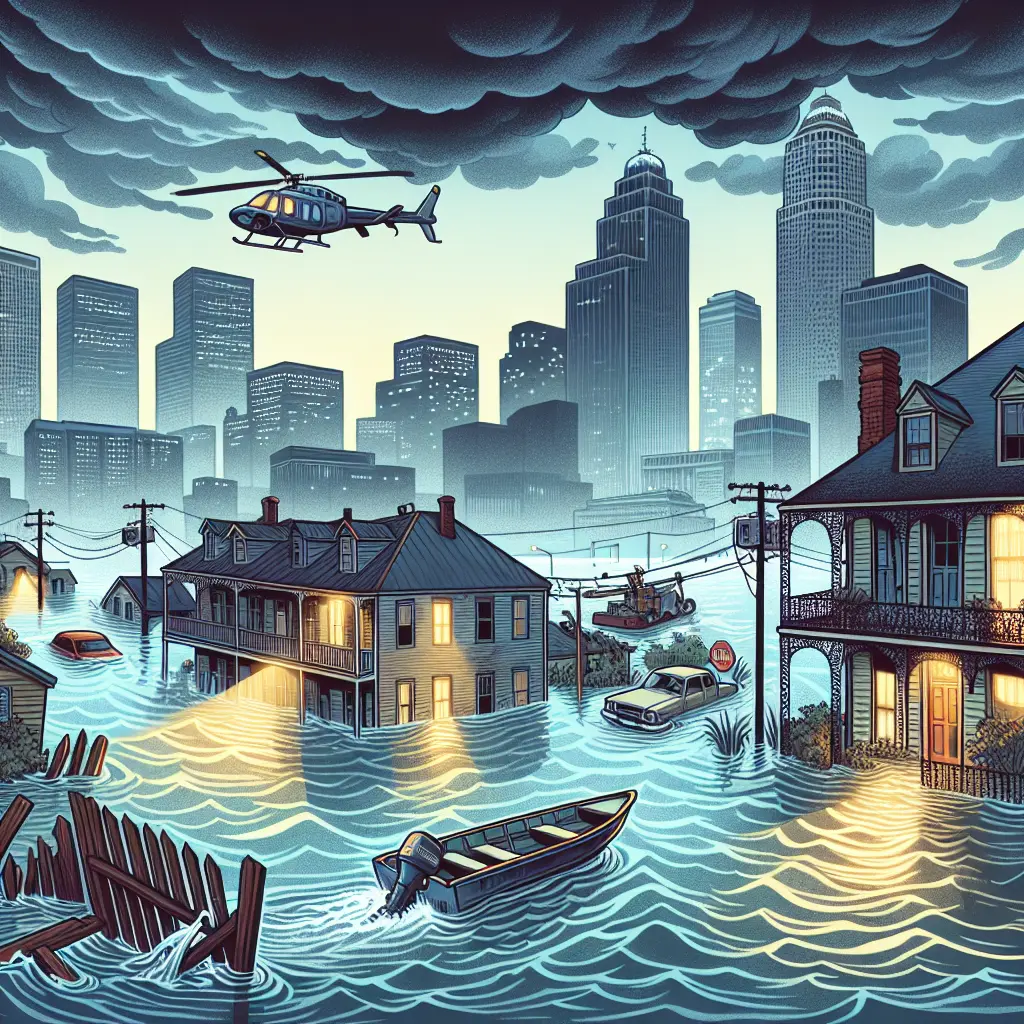
Hurricane Katrina struck New Orleans in August 2005, causing catastrophic damage. The storm surge overwhelmed the city’s levee system, leading to massive flooding as the barriers failed. Much of New Orleans was submerged, resulting in over 1,800 deaths and widespread displacement. The disaster exposed significant flaws in infrastructure and emergency response, highlighting issues of poverty, race, and government preparedness, and prompting major reforms in disaster management and flood protection systems.
Hurricane Katrina and the Levee Failures in New Orleans (2005)
Hurricane Katrina struck New Orleans in August 2005, causing catastrophic damage. The storm surge overwhelmed the city’s levee system, leading to massive flooding as the barriers failed. Much of New Orleans was submerged, resulting in over 1,800 deaths and widespread displacement. The disaster exposed significant flaws in infrastructure and emergency response, highlighting issues of poverty, race, and government preparedness, and prompting major reforms in disaster management and flood protection systems.
💡 Key Takeaways
- Learn how Hurricane Katrina's storm surge overwhelmed New Orleans' levee system and caused catastrophic flooding.
- Understand how levee and barrier failures led to large-scale submersion of much of the city.
- Recognize the human impact, including over 1,800 deaths and widespread displacement.
- Identify key lessons for flood protection, disaster response, and urban resilience that emerged after Katrina.
❓ Frequently Asked Questions
What caused the flooding in New Orleans during Hurricane Katrina?
The storm surge overwhelmed the levee and floodwall system, causing breaches and overtopping that flooded large parts of the city.
What specifically failed about the levee system during the storm?
Levees and floodwalls breached in multiple locations, and some barriers were overtopped. In addition, drainage pumps and power outages slowed water removal after the floods began.
How many people died and how widespread was the flooding?
The disaster resulted in over 1,800 deaths and widespread submersion of much of the city, with many residents displaced.
What were the long-term implications or lessons learned from Katrina's levee failures?
Katrina prompted major reforms in flood protection design and maintenance, rebuilding of levees and pumps, and improved emergency planning and disaster response to better protect against future hurricanes.